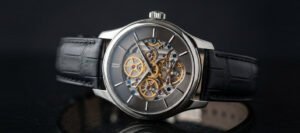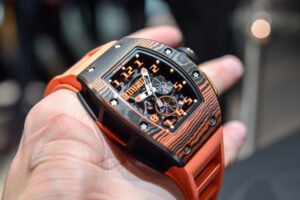



Motorsport watches represent the connection between racing performance, precision engineering, and luxury watchmaking. Originally associated with the need to measure elapsed time and monitor speed, these timepieces have evolved into popular accessories inspired by racing circuits, iconic drivers, and high-performance cars. Today, motorsport watches combine practical chronograph functions with distinctive designs that appeal to both automotive enthusiasts and watch collectors.
From classic racing chronographs to modern Formula 1-inspired editions, the relationship between cars and watches continues to influence how luxury timepieces are designed, developed, and marketed.
How Motorsport Watches First Gained Popularity
Accurate timekeeping has played an important role in motorsport since organised racing began. Drivers and racing teams needed reliable ways to measure lap times, compare performance, and track elapsed time during competitions.
Early racing events relied on specialised timing instruments, stopwatches, and dashboard clocks. As wristwatches became more practical, their portability made them useful for people involved in automotive activities.
Watchmakers began developing timepieces with features suited to measuring time and calculating speed. Chronograph functions, clearly marked dials, and rotating bezels became common elements in watches associated with racing.
Over time, these practical features became part of motorsport-inspired design. Even as electronic timing systems transformed professional racing, mechanical chronographs retained their appeal among enthusiasts who appreciated their engineering and historical significance.
Why Chronographs Matter in Motorsport
The chronograph is one of the most recognisable features of motorsport watches. It allows the wearer to measure elapsed time independently of the watch’s regular time display.
A typical chronograph uses pushers on the side of the case to start, stop, and reset the stopwatch function. Smaller subdials may record elapsed minutes and hours, while a central hand tracks seconds.
These functions have practical applications beyond racing. A chronograph can measure the duration of an activity, compare timed runs, or help calculate average speed when used with a suitable scale.
Some models feature a tachymeter around the dial or bezel. When timing travel over a known distance, this scale can help estimate average speed. For example, if a vehicle covers one kilometre in 30 seconds, its average speed over that distance is 120 kilometres per hour.
Although modern race teams use advanced electronic systems for official timing, the chronograph remains an important symbol of the relationship between watchmaking and motorsport.
The Influence of Racing Cars on Watch Design
Racing cars have inspired many visual elements found in contemporary luxury watches. Manufacturers often take design cues from instrument panels, racing liveries, wheel designs, and performance components.
High-contrast dials improve readability, while bold hands and clearly defined markers create a technical appearance. Some watches feature perforated leather or rubber straps inspired by racing gloves and steering wheels.
Materials also reflect the influence of automotive engineering. Titanium offers a lightweight alternative to stainless steel, ceramic provides strong scratch resistance, and carbon-based materials appear in certain high-performance watch cases.
These choices are not simply about appearance. Weight, durability, comfort, and resistance to everyday wear all influence how a watch performs.
The result is a category of timepieces that translates elements of automotive design into a compact accessory worn on the wrist.
Formula 1 and the Luxury Watch Industry
Formula 1 has become one of the strongest connections between motorsport and luxury watchmaking. The championship brings together engineering innovation, technical precision, and global audiences, making it an attractive platform for watch brands.
Companies such as TAG Heuer, Rolex, and Richard Mille have established associations with motorsport through partnerships, sponsorships, and specialised collections.
Some watches feature colours inspired by racing teams, while limited editions may incorporate team branding or design details connected to particular cars and drivers. These releases appeal to collectors who value both horological craftsmanship and automotive heritage.
Such partnerships also reflect shared priorities. In both racing and watchmaking, performance depends on precision, reliability, material selection, and continuous technical development.
The popularity of Formula 1 has helped introduce racing-inspired watches to a wider audience, including people who appreciate the sport’s engineering and lifestyle culture.
How Modern Engineering Has Changed Motorsport Watches
Advances in watchmaking technology have improved the materials, movements, and construction of modern motorsport watches.
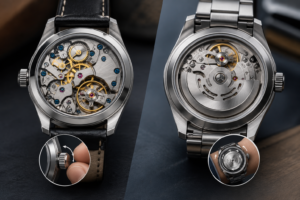
Mechanical chronographs use intricate arrangements of gears, springs, clutches, and levers to control their timing functions. Modern manufacturing techniques help improve consistency and reliability while allowing watchmakers to refine the movement’s performance.
Quartz chronographs provide another option. Powered by a battery and regulated electronically, they offer accurate timekeeping and convenient stopwatch functionality.
Case materials have evolved alongside movement technology. Lightweight titanium, advanced ceramics, and carbon composites help manufacturers create distinctive designs with different combinations of strength, weight, and durability.
Despite these developments, traditional mechanical movements remain popular among collectors because of their craftsmanship and the complexity of their construction.
What to Consider When Choosing a Motorsport-Inspired Watch
Choosing a motorsport-inspired watch involves more than selecting a design associated with a favourite racing team.
Movement: Mechanical chronographs appeal to enthusiasts who appreciate traditional watchmaking, while quartz models offer straightforward operation and generally lower maintenance requirements.
Readability: Look for clear markers, well-defined hands, and subdials that are easy to interpret.
Materials: Stainless steel offers versatility, titanium reduces weight, and ceramic can provide excellent scratch resistance.
Comfort: Case thickness, diameter, strap material, and overall weight influence how the watch feels during everyday use.
Maintenance: Mechanical chronographs may require periodic servicing. Before purchasing, consider service costs, warranty coverage, and the availability of replacement parts.
A well-chosen timepiece should balance appearance, functionality, comfort, and long-term ownership costs.
Why the Connection Between Cars and Watches Endures
Cars and watches share an appreciation for precision engineering, mechanical innovation, and carefully considered design. Both industries combine technical performance with visual identity, creating products that appeal to people who value craftsmanship.
For automotive enthusiasts, a racing-inspired watch can represent a favourite motorsport team, an iconic era of racing, or a particular approach to engineering. For watch collectors, these timepieces offer a combination of useful complications, distinctive styling, and historical associations.
As motorsport continues to evolve, watchmakers will likely keep drawing inspiration from racing technology, materials, and design.
For more automotive stories, performance insights, and industry features, visit GearsMe.
Conclusion
From early racing chronographs to contemporary luxury editions, motorsport has played a significant role in shaping modern watch design. Chronograph functions, tachymeter scales, durable materials, and racing-inspired details reflect a long-standing connection between timekeeping and automotive performance.
While electronic systems now handle the demands of professional race timing, motorsport watches remain popular for their engineering, craftsmanship, and distinctive appearance. They offer a way to appreciate the precision of watchmaking alongside the speed and innovation of the automotive world.
To follow the latest developments in international racing, visit the official Formula 1 website.