

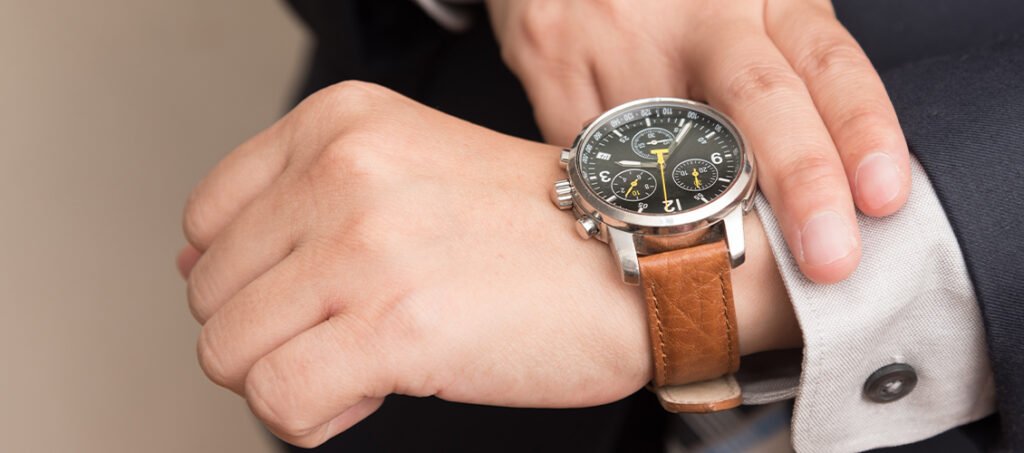

A watch is more than an accessory. It should suit your personal style, feel comfortable throughout the day, and handle the demands of your routine. Whether you wear one to the office, while travelling, or during weekend outings, choosing the right everyday watch means looking beyond its appearance.
From case size and strap materials to movement type and water resistance, several factors influence how well a watch performs over time. Understanding these details can help you choose a timepiece that looks good, feels right, and offers lasting value.
1. Choose a Style That Matches Your Lifestyle
The best everyday watch is one that fits naturally into your daily routine. Rather than choosing a design based only on current trends, consider where and how often you plan to wear it.
- Classic watches: Simple dials, traditional hands, and understated designs work well for office wear, meetings, and casual occasions.
- Sports watches: These often feature bolder cases, practical displays, and additional functions suited to active routines.
- Field watches: Known for their clear dials and straightforward design, field watches are a practical choice for everyday use.
- Diving watches: Their sporty appearance and higher water-resistance ratings make them popular for versatile daily wear, although actual water use depends on the model’s specifications.
- Smartwatches: These are suitable for people who want notifications, fitness tracking, and other connected features alongside timekeeping.
If you want one watch for different occasions, look for a versatile design with a clean dial and a neutral colour such as black, silver, white, or blue. These options are easy to pair with different outfits.
2. Get the Case Size and Fit Right
A watch can look impressive in a product photo but feel uncomfortable when worn for several hours. Case diameter, thickness, weight, and the distance between the lugs all affect how it sits on your wrist.
Many everyday watches have case diameters around 36–42 mm, although smaller and larger options can also fit well. Use this range as a starting point rather than a strict rule.
When trying on a watch, check that:
- The case does not extend noticeably beyond the sides of your wrist.
- The watch sits securely without sliding around.
- The case thickness feels comfortable under shirt cuffs.
- The strap or bracelet can be adjusted to fit properly.
- The watch does not feel unnecessarily heavy during normal activities.
A slim watch may suit formal clothing, while a slightly larger case can work well with casual outfits. The right choice depends on your wrist size and personal preference.
3. Select a Comfortable Strap Material
The strap plays a major role in how a watch feels throughout the day. The right material depends on your climate, clothing, and daily activities.
Stainless steel: A steel bracelet offers a versatile appearance and generally handles regular wear well. It works with office clothing and casual outfits, although it may feel heavier than other options.
Leather: Leather straps provide a classic, refined look. They suit formal and business-casual styles but need more care around water, sweat, and prolonged moisture.
Rubber or silicone: These straps are lightweight, flexible, and easy to clean. They are practical for workouts, travel, and warm weather.
Fabric or nylon: Fabric straps are often breathable and lightweight, making them suitable for casual wear and outdoor activities.
Before buying, check the strap edges, clasp, and adjustment mechanism. A strap should feel secure without pressing tightly against your skin. If you plan to wear the watch in hot or humid conditions, consider how easily the material can be cleaned and dried.
4. Check the Build Quality and Crystal
Durability matters when a watch is worn regularly. Small knocks against desks, door frames, and other surfaces can gradually affect its appearance.
The case material is one of the first things to check. Stainless steel is a popular choice because it offers a useful balance of durability, corrosion resistance, and appearance. Titanium is another option if you prefer a lighter watch, though it can cost more.
The crystal—the transparent cover over the dial—also deserves attention.
- Mineral crystal: Common in many watches, it offers a practical balance of cost and everyday durability.
- Sapphire crystal: It has excellent scratch resistance and is a useful feature if keeping the dial looking clean is a priority.
- Acrylic crystal: It is lightweight and can often be polished to remove minor scratches, but it marks more easily.
Sapphire is not automatically the best choice for every situation; it can be more susceptible to chipping or shattering under certain sharp impacts than some alternatives. Compare the overall construction, not just one material.
For more details, read Citizen’s explanation of mineral and sapphire crystals.
5. Understand Water Resistance Before Buying
Water resistance is an important feature, but the rating needs to match how you intend to use the watch. A label such as 30 metres does not mean that every watch with that rating is suitable for swimming at that depth.
As a general guide:
- 30 metres (3 ATM): Usually intended for minor splashes, subject to the manufacturer’s instructions.
- 50 metres (5 ATM): May suit more everyday exposure to water, but check the specific manufacturer’s permitted uses before swimming.
- 100 metres (10 ATM): Often a more suitable option for swimming when the manufacturer explicitly permits it.
- 200 metres or more: Common in watches designed for more demanding water activities, depending on the model and its certification.
Water resistance can deteriorate as seals age or become damaged. Avoid operating the crown or buttons while the watch is wet unless the manufacturer specifically allows it.
For brand-specific guidance, check Seiko’s water-resistance precautions before exposing a watch to water.
6. Decide Between Quartz and Automatic Movements
The movement is the mechanism responsible for keeping time. For everyday wear, quartz and automatic watches are two common options.
Quartz watches use a battery to power an electronic movement. They generally offer accurate timekeeping and require relatively little routine attention, making them practical for people with busy schedules.
Automatic watches use a mechanical movement that winds through the wearer’s wrist motion. They appeal to enthusiasts who appreciate traditional watchmaking, but they may stop if left unworn beyond their power reserve and usually require periodic servicing.
Neither option is universally better. If convenience and low maintenance are your priorities, quartz may be the better fit. If you enjoy mechanical engineering and the experience of owning a traditional timepiece, an automatic watch may be more appealing.
Whichever movement you choose, check the warranty, servicing arrangements, and availability of replacement parts before purchasing.
7. Look for Features You Will Actually Use
Additional features can make a watch more useful, but they should serve a clear purpose.
- Date display: Helpful for checking the date without reaching for your phone.
- Luminous hands and markers: Improve readability in dim environments.
- Chronograph: Provides stopwatch functionality for timing activities.
- Rotating bezel: Useful for measuring elapsed time on watches designed with this feature.
- Solar charging: Reduces the need for conventional battery replacements on compatible models.
- Dual-time display: Useful for frequent travellers who need to track another time zone.
A simple dial is often easier to read at a glance. Avoid paying extra for functions you are unlikely to use regularly.
8. Set a Budget and Check After-Sales Support
A higher price does not automatically guarantee a better everyday watch. Compare the materials, movement, comfort, warranty, and service support within your budget.
Before purchasing, check the following:
- The manufacturer’s stated specifications and water-resistance rating.
- The warranty period and what it covers.
- The availability of authorised service centres.
- The cost of replacement straps, batteries, or other routine maintenance.
- The seller’s reputation and return policy.
Buying from the brand or an authorised retailer can also help reduce the risk of counterfeit products and make warranty support easier.
How to Keep Your Everyday Watch in Good Condition
Even a well-built watch benefits from simple care. Wipe the case and strap with a suitable soft cloth, clean away accumulated dirt, and follow the manufacturer’s cleaning instructions. Keep leather straps away from prolonged moisture and avoid exposing the watch to chemicals or extreme temperatures unless it is designed for those conditions.
Water resistance should not be assumed to last indefinitely. If you use your watch in water, have its seals and resistance checked according to the manufacturer’s recommendations.
For additional advice, see Victorinox’s watch care guide.
Frequently Asked Questions
What type of watch is best for everyday wear?
A versatile watch with a comfortable fit, readable dial, dependable movement, and materials suited to your routine is a good starting point. Stainless steel, quartz, and simple dial designs are popular choices.
Is a quartz or automatic watch better for daily use?
Quartz watches are generally easier to maintain and keep accurate time with minimal attention. Automatic watches appeal to people who appreciate mechanical craftsmanship and do not mind additional maintenance.
What size watch should I choose?
Choose a case that sits comfortably within the width of your wrist without the lugs extending beyond its edges. Case diameter, thickness, and lug-to-lug length all affect fit, so trying the watch on is helpful.
Is a leather strap suitable for everyday wear?
Yes. Leather can work well for office and casual use, but frequent exposure to sweat and water can shorten its lifespan. Steel, rubber, or silicone may be more practical for active routines or humid conditions.
What water-resistance rating is suitable for an everyday watch?
The right rating depends on your activities. A watch used mainly for office work and everyday errands has different requirements from one intended for swimming. Always follow the manufacturer’s specific guidance rather than relying on the rating alone.
Conclusion
Choosing a watch for everyday wear comes down to balancing style, comfort, durability, and practicality. Consider how it fits your wrist, whether the strap suits your routine, and which features will genuinely make a difference.
A well-chosen watch does not need an elaborate design or a long list of functions. It simply needs to feel comfortable, suit your lifestyle, and perform reliably over time. Compare the specifications carefully, set a realistic budget, and choose a timepiece you will enjoy wearing every day.