
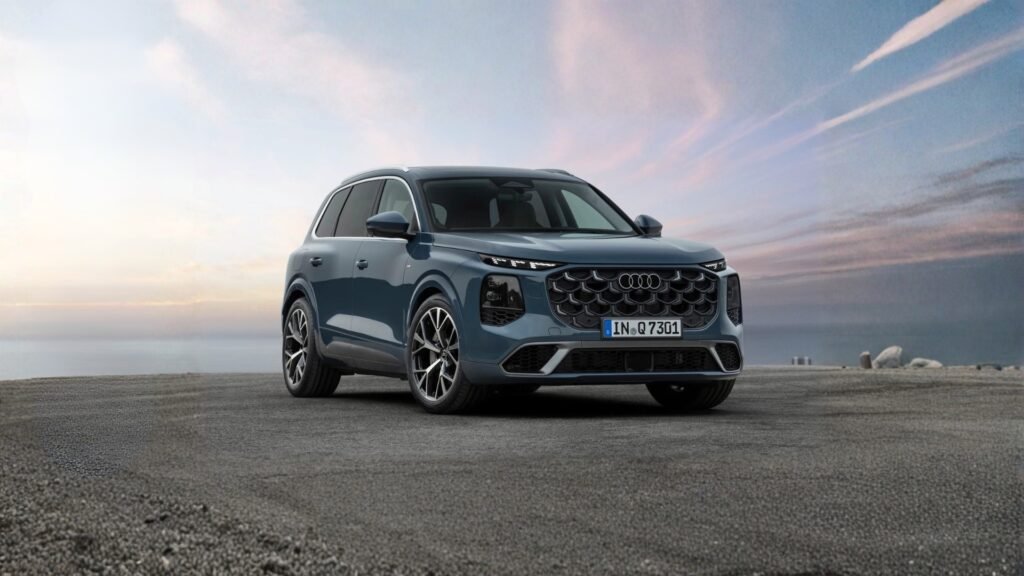

The new Audi Q7 2026 arrives as the third generation of Audi’s biggest non-Q9 SUV. Therefore, the new Audi Q7 2026brings a diesel-only powertrain with mild hybrid assistance and a genuinely unusual headline feature — compatibility with hydrotreated vegetable oil. Furthermore, five, six or seven seat configurations make this one of the most flexible large SUVs in the current market. Based on this, anyone who was considering the upcoming Audi Q9 now has a genuinely compelling reason to pause. So, the new Audi Q7 2026 deserves the complete detailed treatment that every Gulf SUV buyer needs before making any decision. Ultimately, big Audi. Dynamic turn signals projected onto the ground. Writes itself.
The Engine: V6 Diesel With a Very Green Party Trick
The new Audi Q7 2026 runs a 3.0-litre V6 diesel in two states of tune. Therefore, buyers choose between 295hp and 242hp versions depending on their requirements. Furthermore, both variants carry mild hybrid assistance in the form of a 24hp electric motor and an electrically-powered compressor. Additionally, and this is the headline — the Q7 accepts Hydrotreated Vegetable Oil or HVO as a direct drop-in alternative to conventional diesel.
Based on this, HVO reduces lifecycle CO2 emissions significantly versus standard diesel. The powertrain does not require any modification to accept it. Consequently, any Q7 buyer who wants to reduce their carbon footprint without switching to electric simply pours in a different liquid at the fuel station.
How the Mild Hybrid System Works
The mild hybrid system in the new Audi Q7 2026 operates through three connected components. Therefore, a belt alternator starter, a refined electric motor and a small onboard battery work together to improve efficiency and power delivery. Furthermore, short periods of electric-only running are possible — useful in slow traffic or car parks. Additionally, the electric compressor runs constantly boosting mid-range power and improving fuel economy across the full operating range.
Based on this, the system does not make the Q7 a plug-in hybrid or give it meaningful electric range. Consequently, it functions as a sophisticated efficiency and performance tool rather than an alternative-energy statement.
Gearbox and Drive System
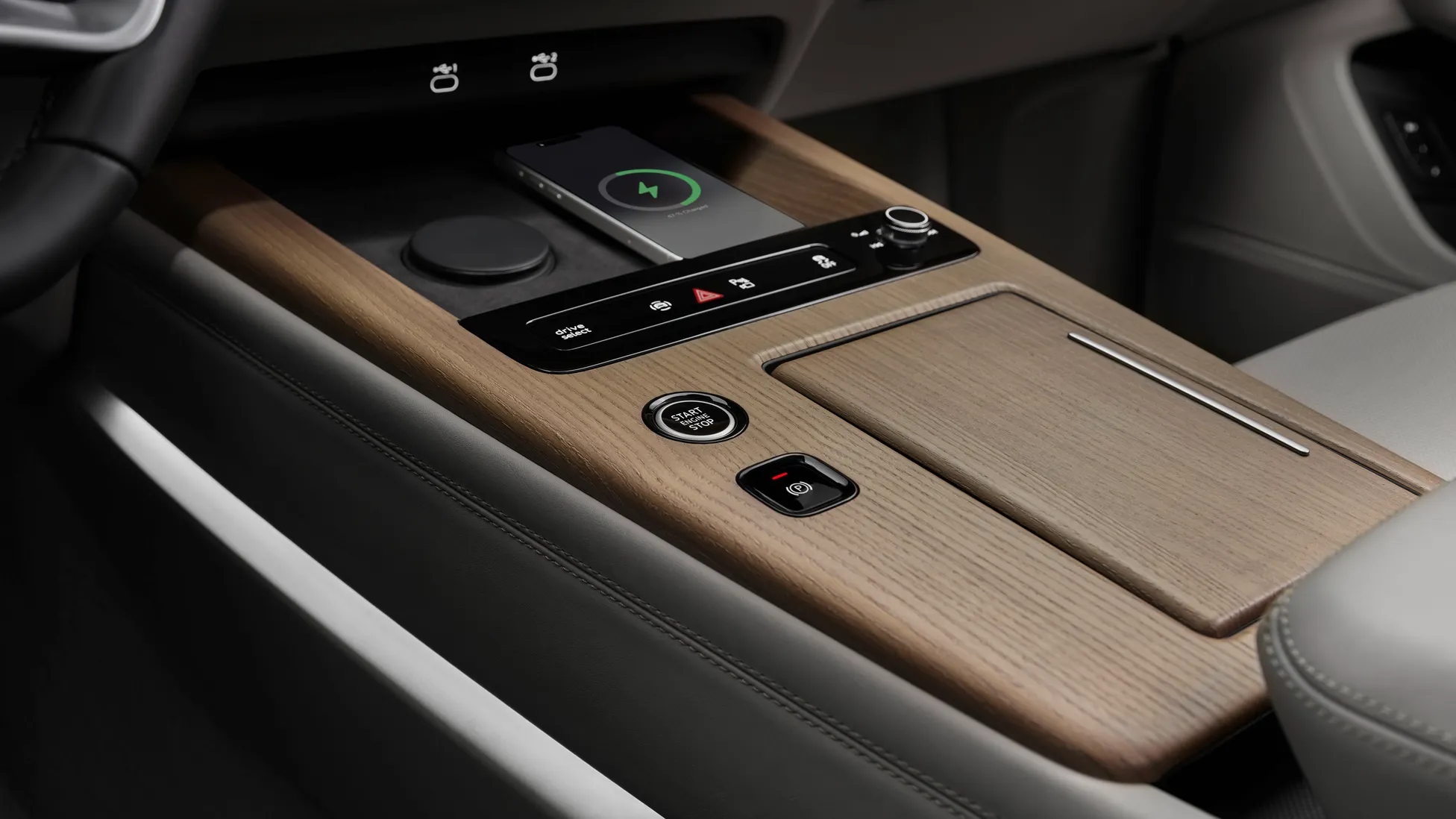
An eight-speed Tiptronic automatic is standard across the entire new Audi Q7 2026 range. Therefore, permanent quattro all-wheel drive comes as standard with every variant. Furthermore, Audi adds a new limited-slip centre differential that improves both traction and steering precision. Additionally, the system performs particularly well during rapid load changes — the polite engineering description for enthusiastic driving.
Based on this, the Q7 positions itself as a competent driver’s large SUV rather than simply a comfortable transporter. Consequently, the combination of V6 diesel torque, mild hybrid mid-range boost and quattro traction makes for a genuinely able cross-country machine.
Suspension and Wheels: Three Options
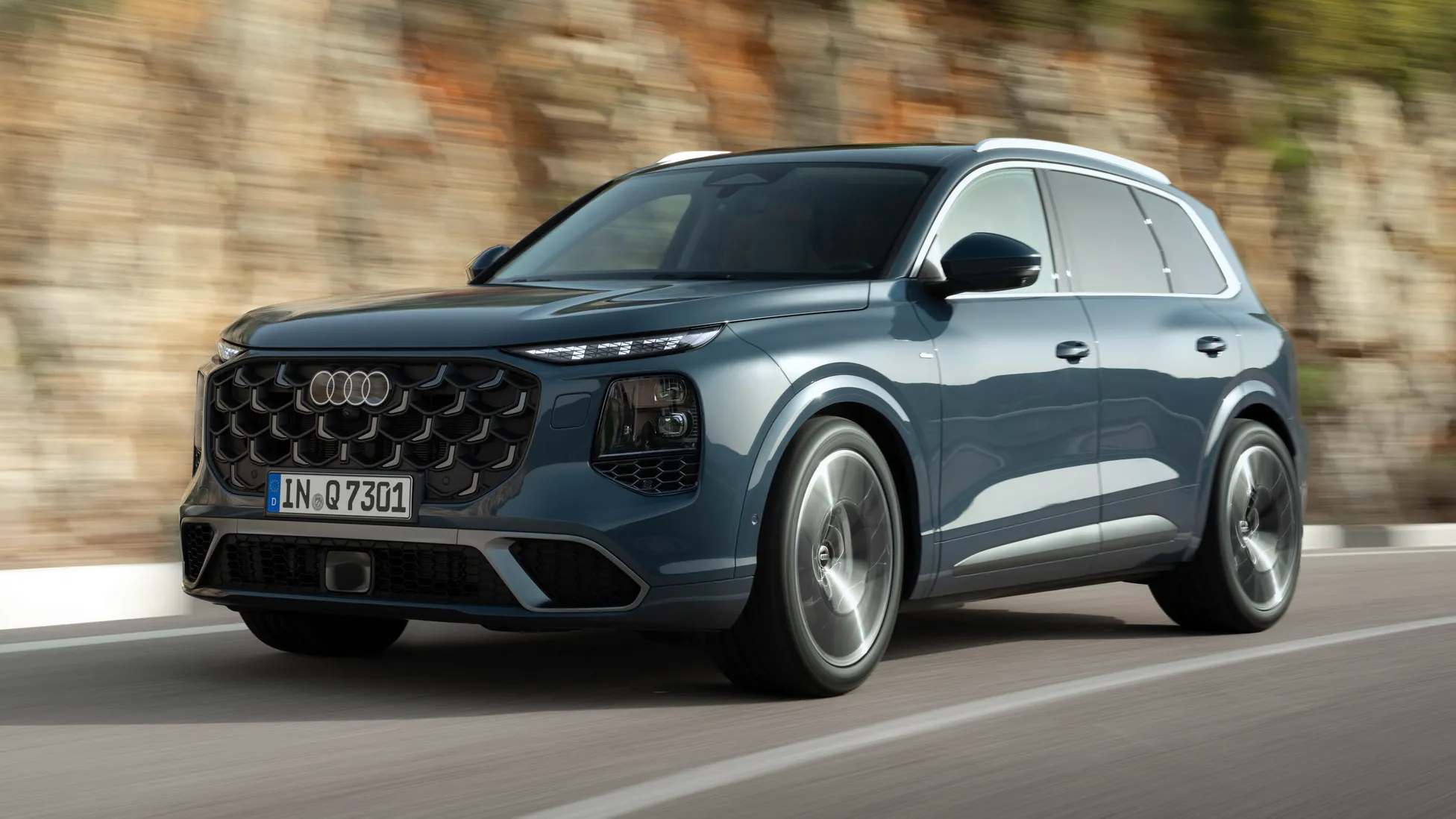
The new Audi Q7 2026 offers three suspension configurations. Therefore, the standard setup uses passive steel-spring suspension for a composed and cost-effective baseline. Furthermore, buyers upgrade to adaptive air suspension for a more versatile and comfort-focused ride. Additionally, a sportier air suspension option suits those who prioritise dynamic response over pure comfort.
Based on this, 20-inch wheels come as standard with the option to run up to 23-inch wheels. Large six-piston brake calipers complete the chassis package. Consequently, the Q7 covers the full spectrum from refined long-distance cruiser to sharp-handling SUV depending on spec choice.
Technology and Safety: A Full Data Centre on Wheels
The safety and assistance technology in the new Audi Q7 2026 covers every scenario a driver is likely to encounter. Therefore, automatic emergency braking, traffic sign recognition, 360-degree camera and parking assist all come as standard. Furthermore, Audi adds a new emergency response function that automatically steers the Q7 to an empty hard shoulder if the driver becomes unresponsive. Additionally, the system issues multiple prompts before taking over and guides the car to a controlled safe stop if the driver fails to respond.
Based on this, the Q7 also parks itself completely without driver input. Consequently, between the emergency steering function and the self-parking capability the new Audi Q7 2026 carries more autonomous safety functionality than most cars at any price point currently available in the market.
The Ground-Projection Turn Signals
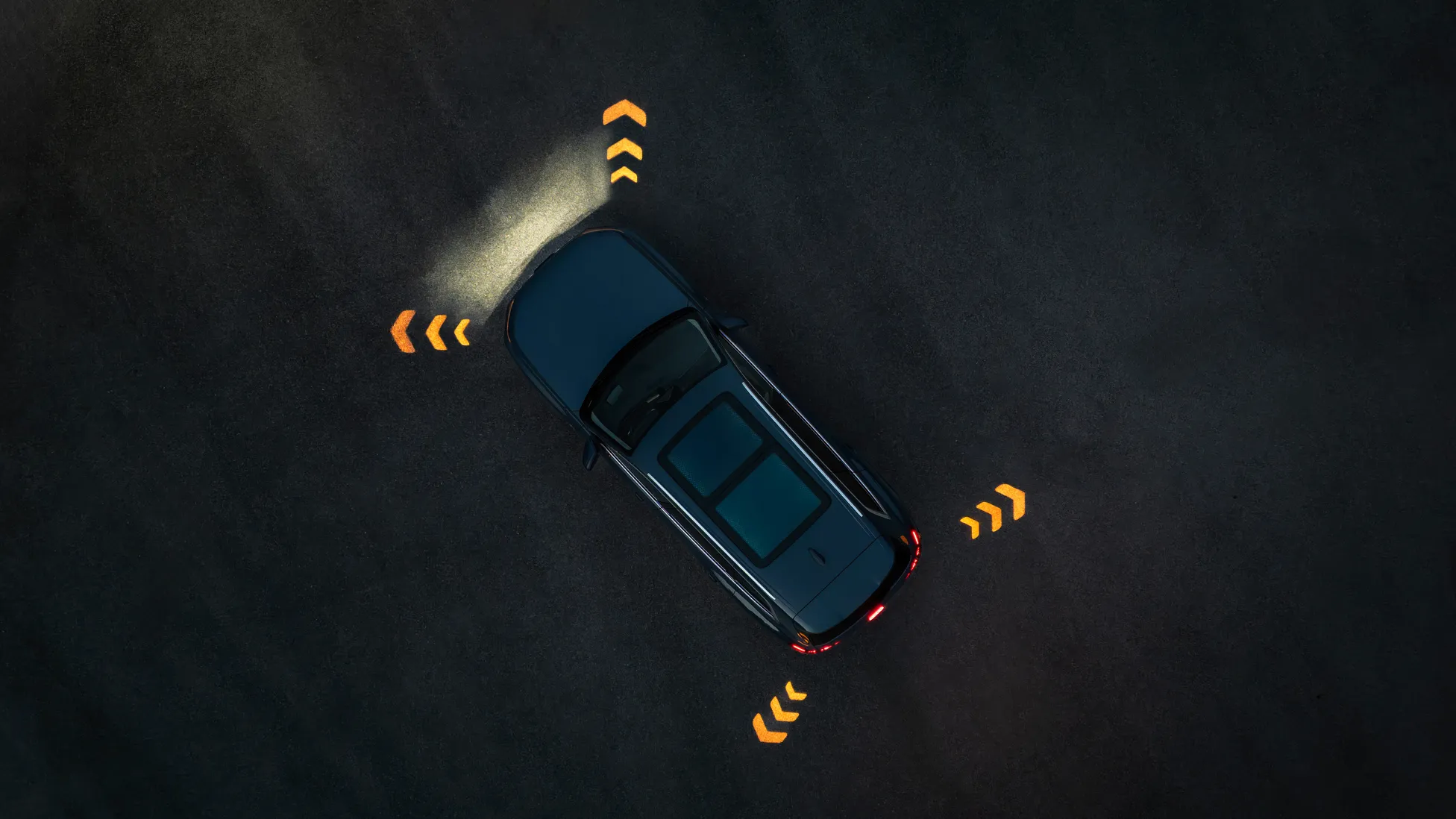
One specific feature deserves its own mention. Therefore, at night the new Audi Q7 2026 projects its turn signals onto the road surface ahead of the vehicle. Furthermore, this gives pedestrians and cyclists clear advance warning of which direction the Q7 intends to move. Additionally, the system works automatically without requiring any driver input or mode selection.
Based on this, ground-projection indicators are a genuinely useful safety feature in busy urban environments. Consequently, large SUV owners in Gulf cities where pedestrian traffic is dense at night will find this one of the most practically valuable features on the entire car.
Design: Muscular Confidence on the Road
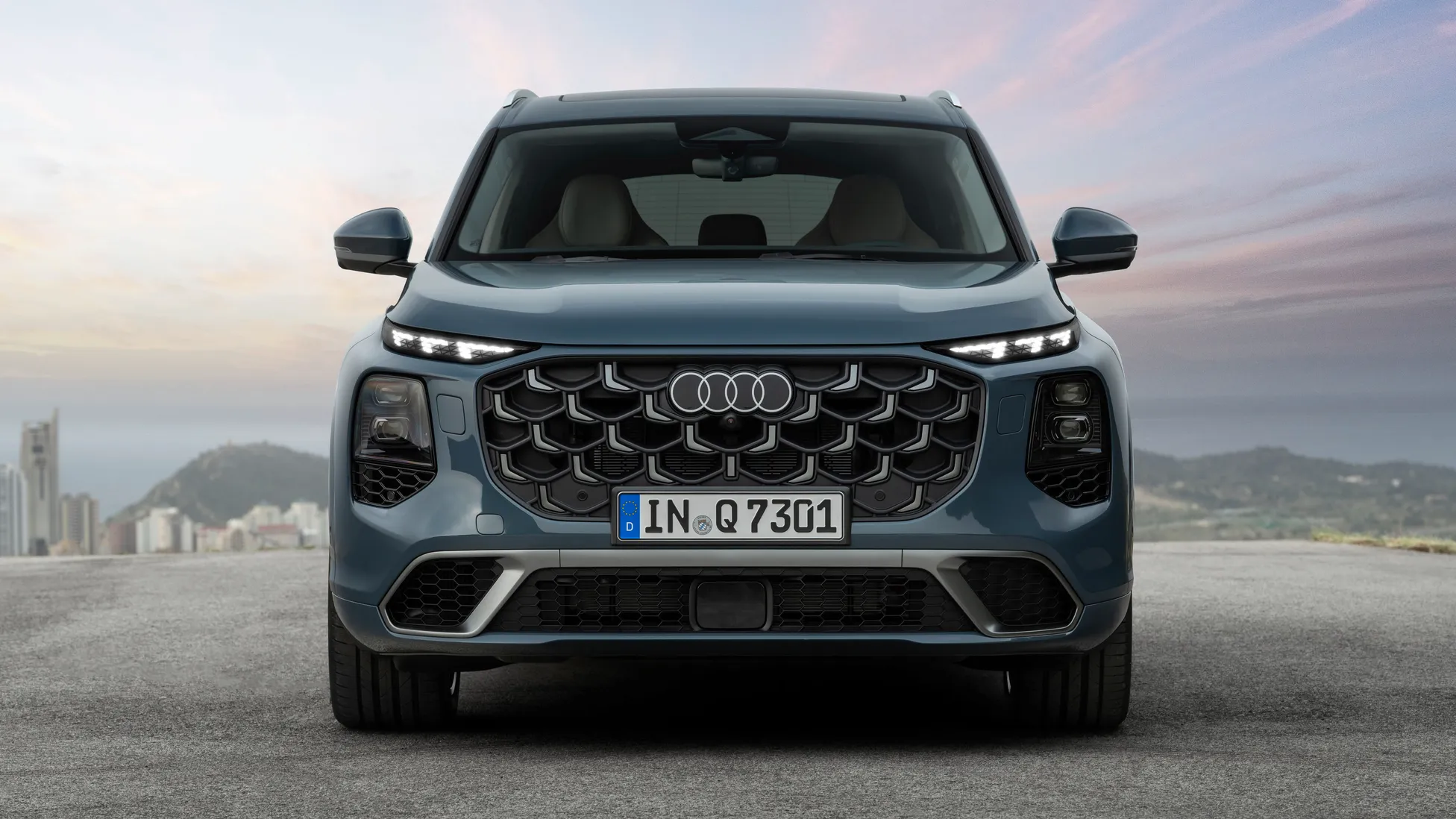
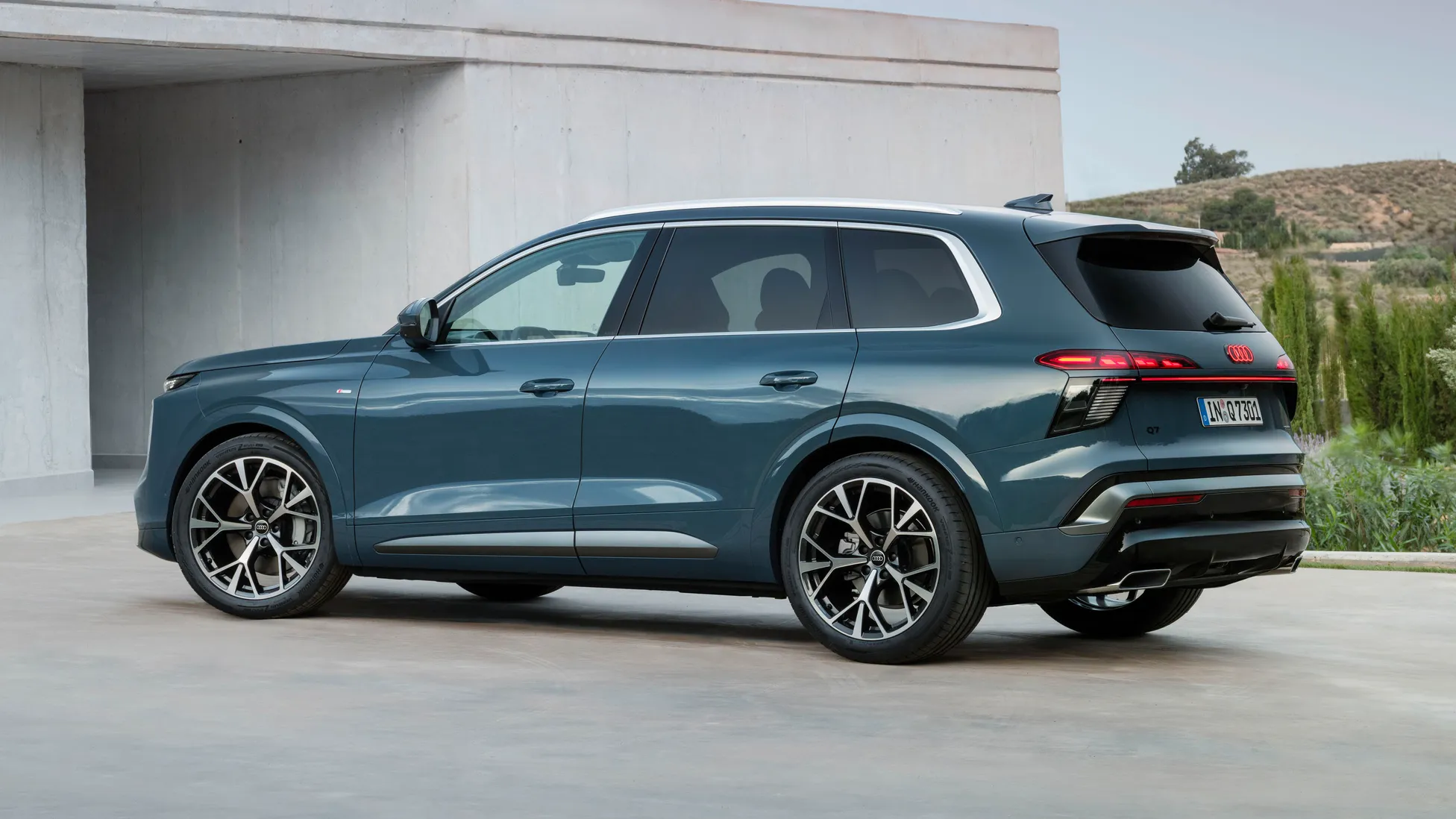
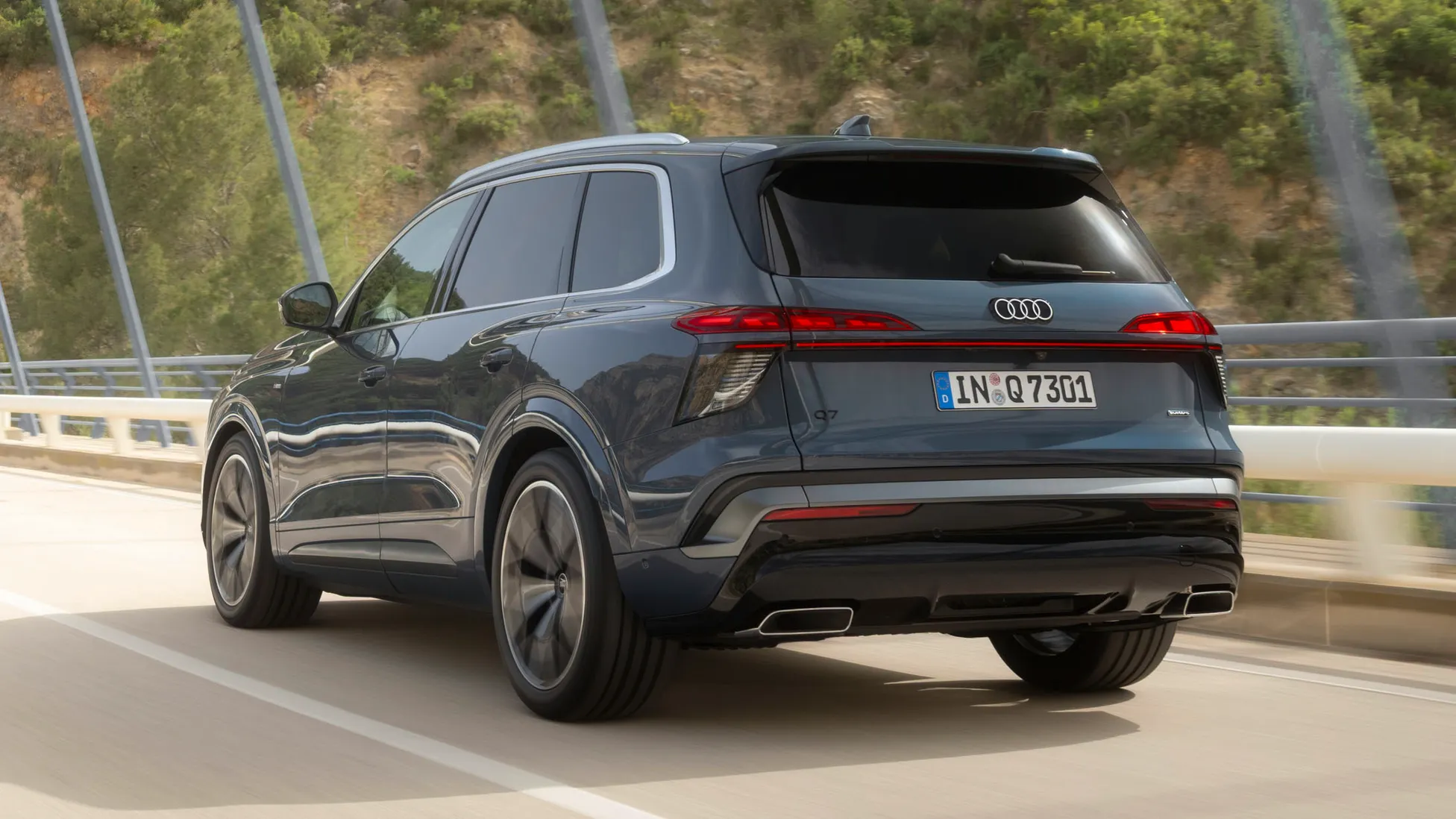
Audi describes the new Audi Q7 2026 as muscular and confident in its visual presence. Therefore, the familiar single-frame grille dominates the front alongside sharp LED lighting units. Furthermore, slightly flared wheel arches, a full horizontal rear light strip and a squared-off silhouette give the Q7 a presence that matches its considerable physical dimensions. Additionally, the overall proportions clearly communicate that this is the senior member of Audi’s SUV family below the incoming Q9.
Based on this, the design evolution is gradual rather than revolutionary. Consequently, existing Q7 owners will recognise the family lineage immediately while new buyers get a car that looks genuinely contemporary rather than dated.
The Cabin: Seven Seats and a Panoramic OLED
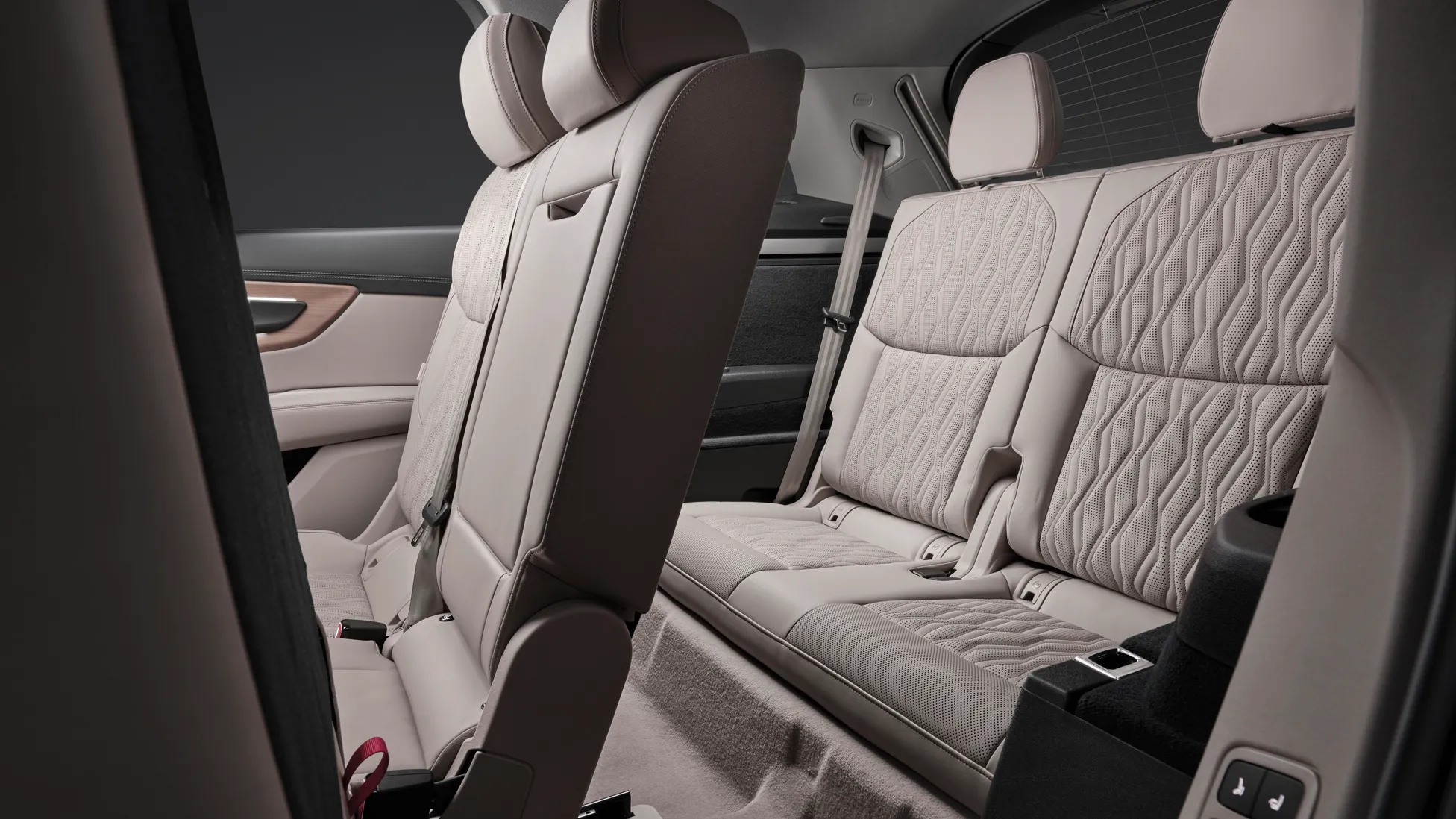
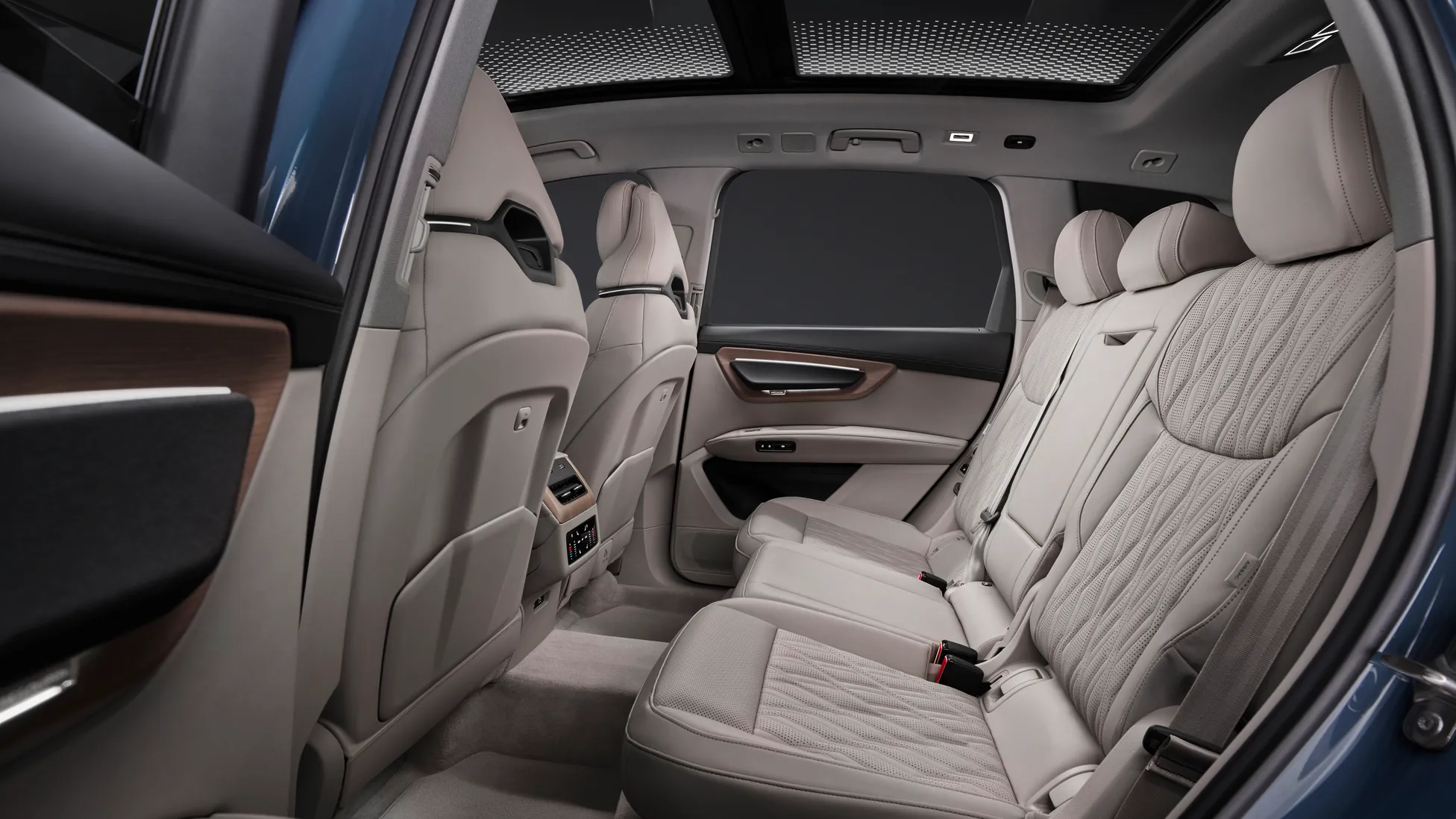
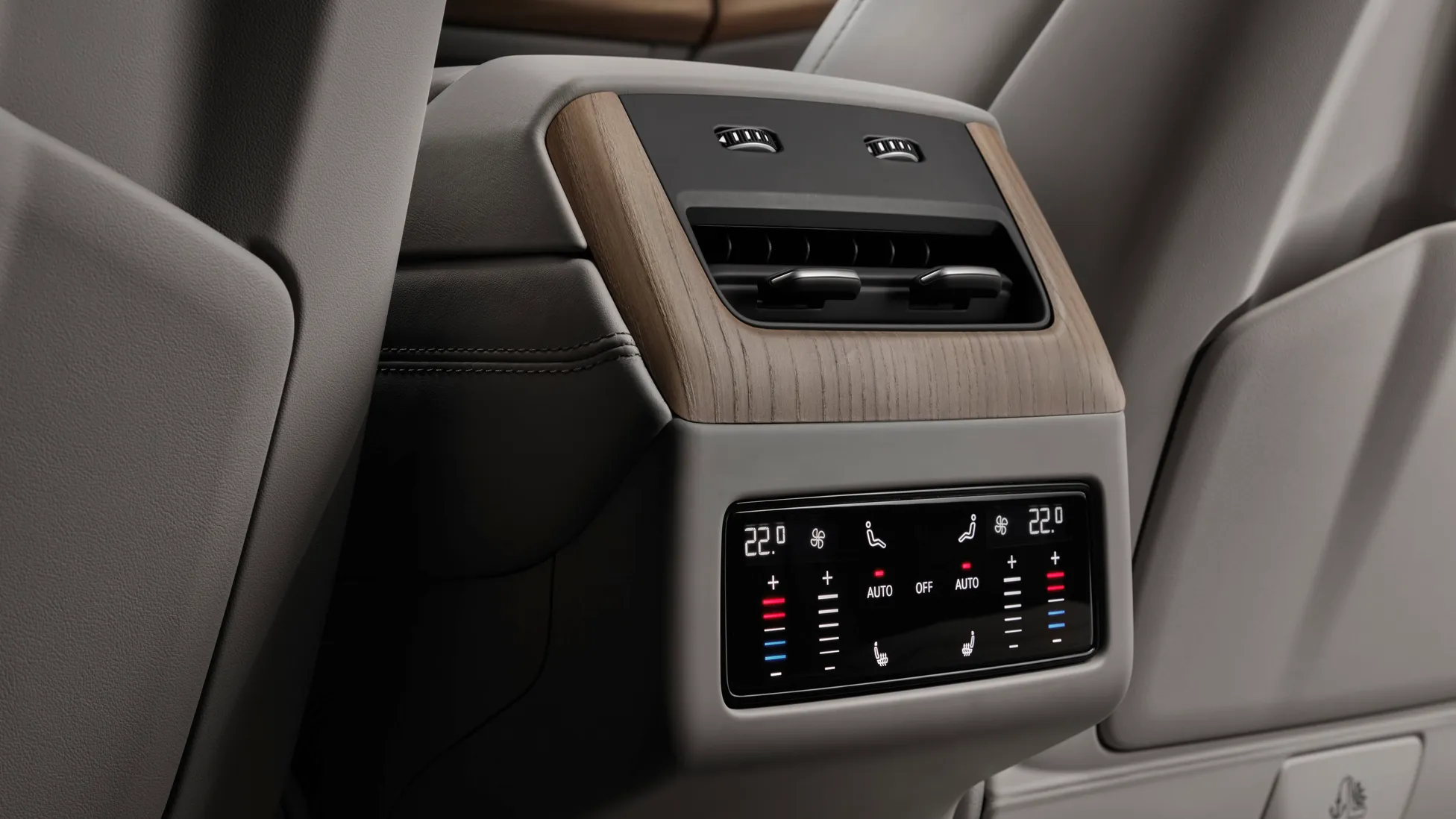
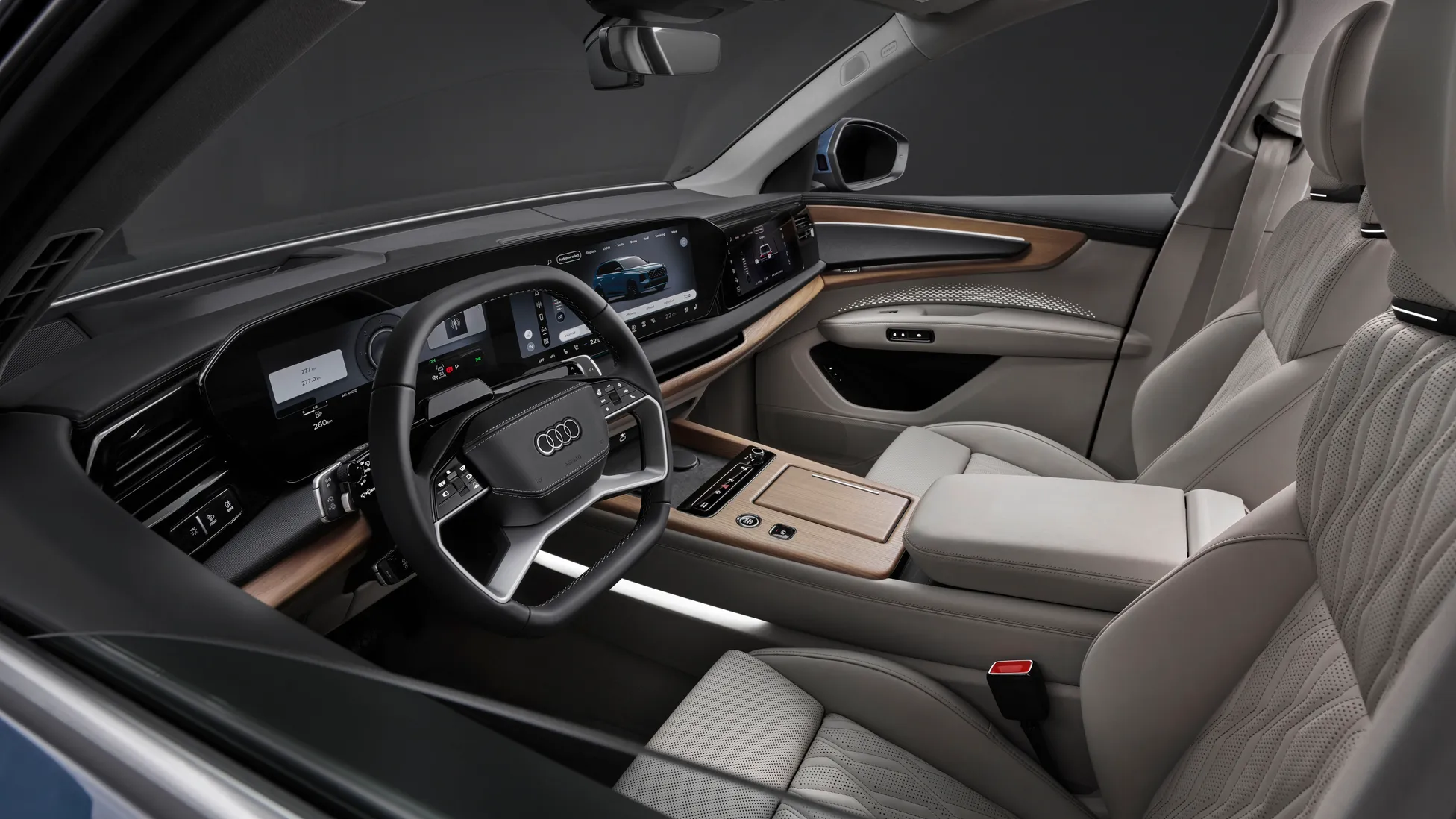
Inside the new Audi Q7 2026 Audi delivers a cabin that meets every expectation for a large premium SUV. Therefore, a massive panoramic OLED display system dominates the dashboard alongside an upgraded premium audio system with speakers integrated into the headrests. Furthermore, the new panoramic roof, extensive storage solutions, multiple charging ports and electrically adjustable seats complete the package. Additionally, and most significantly — the Q7 now offers a six-seat configuration for the first time alongside the traditional five and seven-seat options.
Based on this, the six-seat layout provides a business-class middle row experience that makes the Q7 genuinely competitive with premium MPVs for family and executive transport. For the latest Audi and SUV news across the Middle East, follow GearsME. For full official specifications, visit the official Audi website. Consequently, anyone considering a Q9 now faces a genuinely difficult question — because the new Q7 just stole several of its best arguments.
Do You Still Need the Q9?
The new Audi Q7 2026 asks a pointed commercial question of its bigger sibling. Therefore, seven seats, ground-projection indicators, vegetable oil compatibility, adaptive air suspension and self-parking in a package that is physically more manageable than the Q9 is a strong case. Furthermore, the Q7 retains everything that made the previous generation successful while adding meaningful new technology throughout. Additionally, the Q9 will carry a significant price premium for marginal gains in most of the areas that matter to real buyers.
Based on this, the Q9 likely wins on pure size, prestige and maximum specification but the Q7 wins on practicality, versatility and value across the full specification range. Consequently, for most Gulf buyers who want a large Audi SUV the new Audi Q7 2026 makes a more complete and more honest argument than its larger sibling.
Final Thoughts: New Audi Q7 2026 Sets a High Standard
Ultimately, the new Audi Q7 2026 proves that Audi still builds large SUVs with genuine engineering depth rather than simply specification list inflation. Furthermore, vegetable oil compatibility, ground-projection turn signals, a six-seat option and self-parking in one package is a genuinely impressive collection of real-world features. Consequently, the third-generation Q7 arrives as one of the most comprehensively capable large diesel SUVs currently available anywhere in the market.
Full Technical Specifications:
| Specification | Details |
|---|---|
| Name | Audi Q7 — third generation |
| Engine | 3.0-litre V6 diesel |
| Power options | 295hp and 242hp |
| Hybrid system | 24hp electric motor + electric compressor |
| Hybrid type | Mild hybrid — 48V |
| Alternative fuel | HVO — Hydrotreated Vegetable Oil compatible |
| Gearbox | 8-speed Tiptronic automatic |
| Drive system | Permanent quattro AWD |
| Differential | New limited-slip centre diff |
| Suspension options | Passive steel / Adaptive air / Sport air |
| Standard wheels | 20-inch |
| Maximum wheels | 23-inch |
| Brakes | Six-piston calipers |
| Seating options | 5, 6 or 7 seats |
| Display | Panoramic OLED |
| Audio | Premium speakers in headrests |
| Safety | AEB, traffic alerts, 360-cam, park assist |
| Emergency function | Auto hard shoulder steering if driver unresponsive |
| Self-parking | Yes — fully autonomous |
| Turn signals | Ground projection at night |