

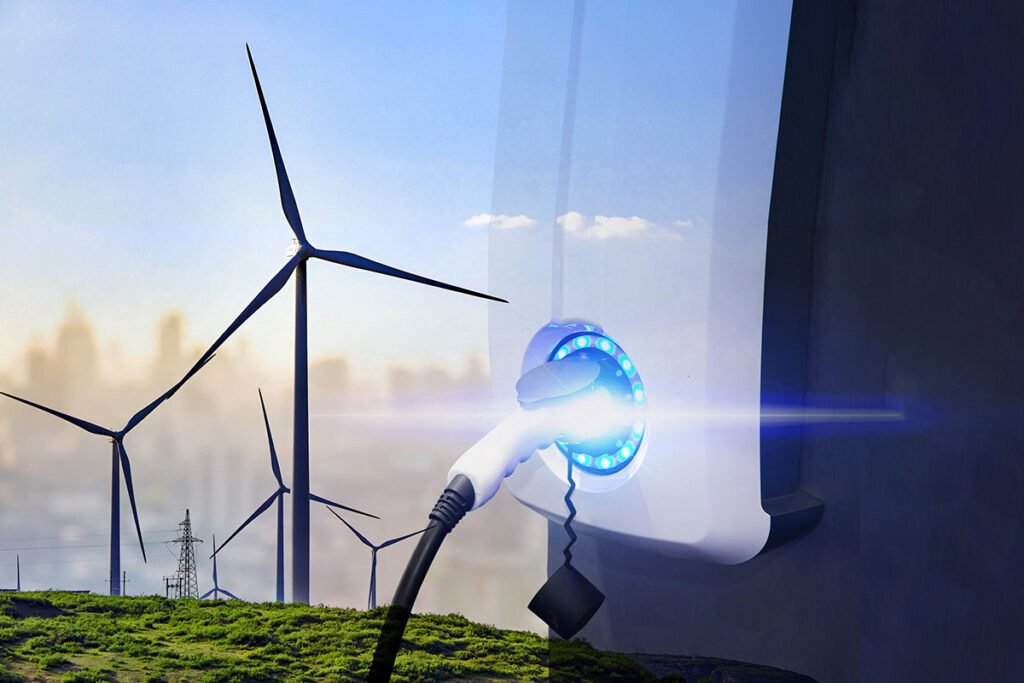

Old wind turbines electric cars share a future more connected than anyone expected. Therefore, a National Engineering Policy Centre report confirms retired turbines hold enormous quantities of neodymium magnets. Furthermore, these are the same magnets inside every electric car motor built today. Based on this, old wind turbines and electric cars form two ends of a supply chain that could reshape EV economics completely. So, every Gulf and Middle East EV follower needs to understand what this means. Ultimately, the solution may already be standing offshore waiting to be taken apart.
The Problem: Rare Minerals Cost Too Much
Every average electric car motor needs 1 kilogram of neodymium magnets. Therefore, that costs approximately £85 per kilogram at current market rates. Furthermore, mining and refining this mineral generates 75kg of CO2 per kilogram produced. Additionally, supply chain concentration in specific regions creates real strategic risk for every car maker building electric vehicles.
Based on this, whoever holds large magnet quantities without new mining holds a major advantage. Consequently, the surprising answer already exists above ground — inside retired wind turbines.
One Turbine Equals Magnets for 12,000 Cars
Every 12-megawatt offshore wind turbine contains roughly one tonne of neodymium per megawatt. Therefore, that equals 12 tonnes per turbine. Furthermore, a standard Nissan Leaf needs just 1 kilogram. Additionally, one single decommissioned turbine could supply magnets for 12,000 electric cars.
Based on this, the scale of opportunity becomes clear fast. Consequently, this is not a marginal supply source — it is potentially a major proportion of current EV magnet demand.
Cutting Not Melting: The Cost Difference That Matters
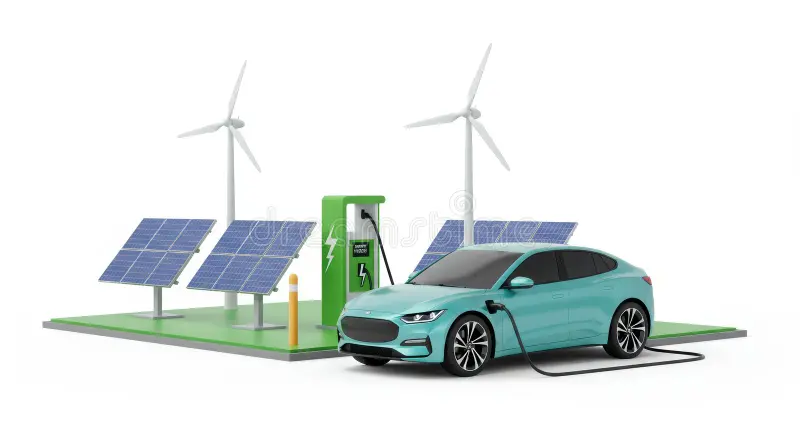
The report’s most important finding concerns how to recover the magnets. Therefore, the Centre believes turbine magnets can be remanufactured by cutting rather than melted down for recycling. Furthermore, cutting uses far less energy than melting — and less energy means lower cost. Additionally, the Centre puts remanufactured magnet cost at £25 per kilogram versus £85 for a virgin magnet — a saving of £60 per kilogram.
Based on this, that saving translates to roughly £200 off the retail price of every electric car. Consequently, no car maker would turn down a guaranteed £200 per unit saving.
Zero New Mining: The CO2 Argument
Virgin neodymium magnets generate 75kg of CO2 equivalent per kilogram during mining and refining. Therefore, remanufacturing existing turbine magnets avoids almost all of that footprint. Furthermore, local production keeps the supply chain geographically secure. Additionally, lower cost, lower carbon and reduced supply risk make the case on paper extraordinarily strong.
Based on this, the question shifts from whether this makes sense to what stands in the way. Consequently, the report identifies two honest and specific obstacles.
The Two Hurdles
Turbines carry a 15-year design life but older turbines were not built for easy dismantling. Therefore, extracting their magnets takes more effort and cost than purpose-built future designs would require. Furthermore, replacement turbines may compete for the same magnets — creating a circular supply challenge.
Based on this, new turbine designs with lower mineral content would free magnets for EV use. Consequently, the full benefit of old wind turbines and electric cars supply chain integration likely arrives in the mid-2030s rather than immediately.
The 2040 Window
By around 2040 the UK expects to have most of its usable wind capacity installed. Therefore, new turbine installation shifts from growth to replacement after that point. Furthermore, far fewer new turbines will compete for available magnet supply from that point forward. Additionally, this aligns perfectly with peak global EV demand growth.
Based on this, the countries that plan now for this convergence hold a real cost advantage over those who do not. Consequently, old wind turbines and electric cars supply chain planning is a strategic priority — not a future consideration.
The Magnet-Free Motor Alternative
Motors called EESMs operate with no permanent magnets at all. Therefore, BMW and Renault have both used them in their EVs for years. Furthermore, if the wider industry adopted EESMs broadly the neodymium demand pressure would drop significantly.
Based on this, most manufacturers chose not to pursue EESMs — meaning neodymium demand stays high. Consequently, re-using existing mineral resources remains the most practical path available right now. For the latest EV and technology news across the Gulf follow GearsME. For the full report visit the National Engineering Policy Centre. For the original article visit Top Gear.
What This Means for the Gulf
Gulf nations investing in wind energy as part of clean energy transitions can benefit directly from this logic. Therefore, Saudi Vision 2030 and the UAE net-zero targets both include renewable energy components that will eventually involve wind infrastructure. Furthermore, planning for end-of-life mineral recovery from the outset is a strategic decision Gulf policymakers should make now.
Based on this, the convergence of wind decommissioning and EV demand matters as much to the Gulf as it does to Europe. Consequently, countries that build circular supply chains into their renewable energy strategies from day one hold a real advantage in the EV economy of the 2030s.
Final Thoughts
Ultimately, the old wind turbines and electric cars connection proves supply chain solutions sometimes already exist. Furthermore, 12 tonnes of magnets per turbine, £60 savings per kilogram and a timeline that aligns with peak EV demand makes this one of the most compelling supply chain reports of 2026. Consequently, offshore wind farms built today are not just energy infrastructure — they are future raw material banks for the electric cars of the 2030s.