

The Renault Megane E-Tech facelift 2026 arrives as the most meaningfully updated version of Renault’s electric hatchback since its original launch. Therefore, a new 67kWh lithium iron phosphate battery replaces the previous unit and pushes WLTP range to a claimed 310 miles. Furthermore, that represents an increase of around 25 miles over the pre-facelift version — a genuine and usable real-world improvement. Based on this, the Renault Megane E-Tech facelift 2026 also gains faster DC rapid charging, a revised exterior design and a simplified two-trim lineup. So, Renault addresses the most common criticisms of the original Megane E-Tech in one update. Ultimately, the result is a more capable and better-specified electric hatchback at a critical point for the segment.
The New Battery: Bigger Capacity, One Consequence
The headline change in the Renault Megane E-Tech facelift 2026 is the new battery. Therefore, the 67kWh lithium iron phosphate — LFP — unit arrives with a cell-to-pack architecture that allows more energy in the same basic footprint. Furthermore, LFP chemistry brings its own advantages including longer cycle life and improved thermal stability compared to the nickel-manganese-cobalt chemistry it replaces. Based on this, the 310-mile WLTP claim is a significant step forward for Megane E-Tech competitiveness in the electric hatchback segment.
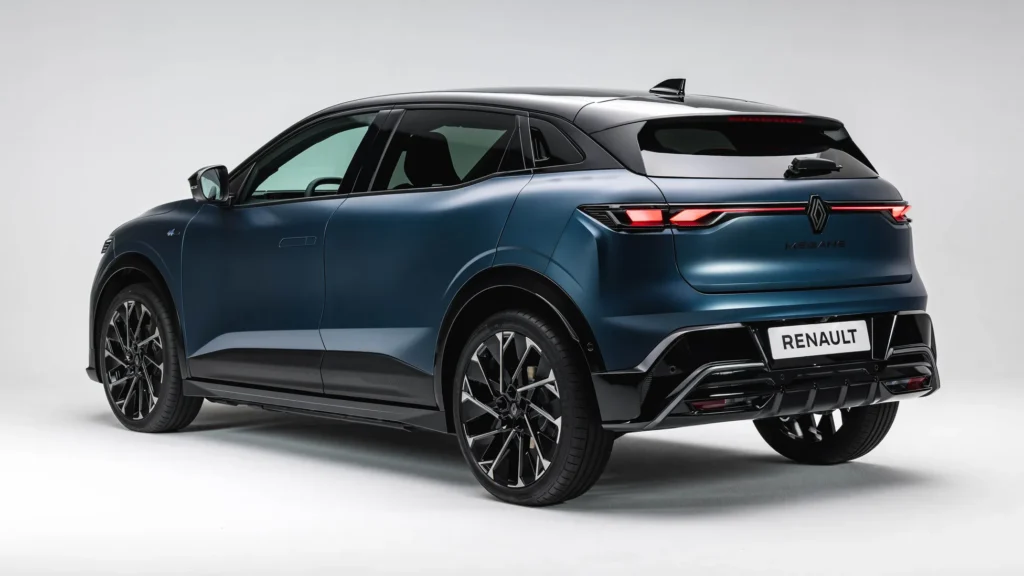
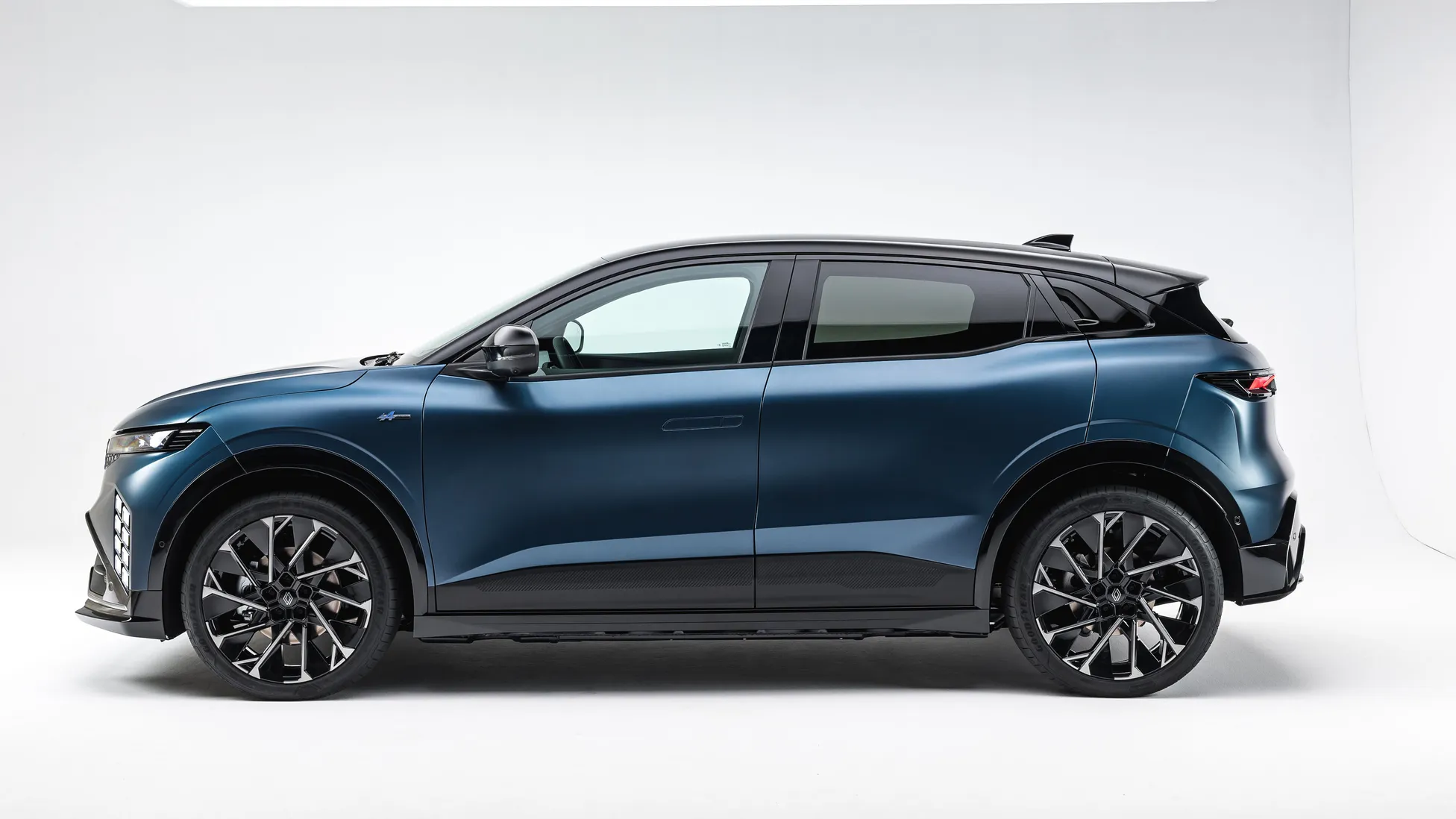
Consequently, there is one honest consequence. The new battery pack means the car sits 20mm taller than before — a measurable dimensional change caused directly by the new cell-to-pack arrangement. Additionally, the 0-62mph time increases by one tenth of a second to 7.6 seconds with the same 217 horsepower motor driving the front wheels. So, range improves and height increases — a straightforward engineering trade-off that most buyers will accept without hesitation.
Charging Speed: The More Important Number
The Renault Megane E-Tech facelift 2026 DC rapid charging upgrade is arguably more significant than the range increase for daily usability. Therefore, maximum DC charging speed increases from 130kW to 165kW — a 35kW improvement that meaningfully reduces time spent at public rapid chargers. Furthermore, a 15 to 80 percent charge now takes 24 minutes at a compatible rapid charger. Based on this, the improved charging speed makes the Megane E-Tech a more credible choice for drivers who regularly cover longer distances between charges.
Consequently, Renault also confirms the springs, dampers and steering have all been recalibrated during the facelift process. So, the driving character of the updated car should feel noticeably different from the pre-facelift version — particularly around ride quality and steering weight. This is a welcome improvement that the suspension and steering updates confirm.
Design: Sharper Front, New Details Throughout
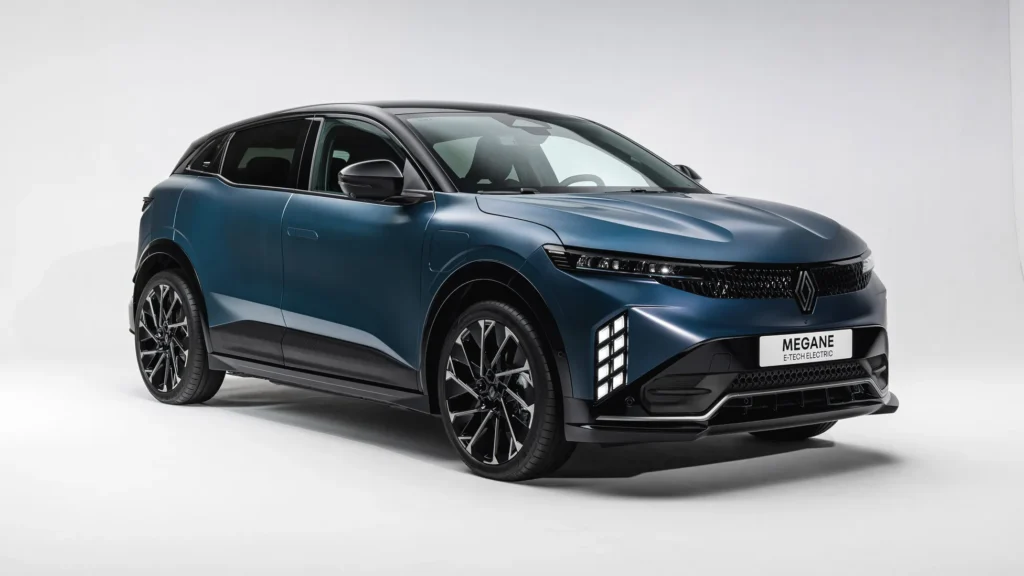
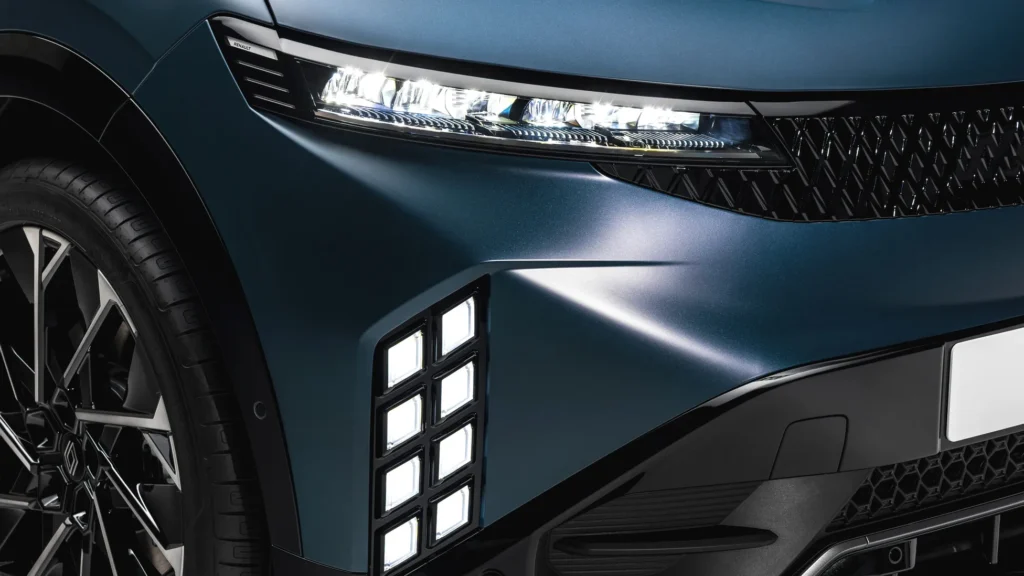
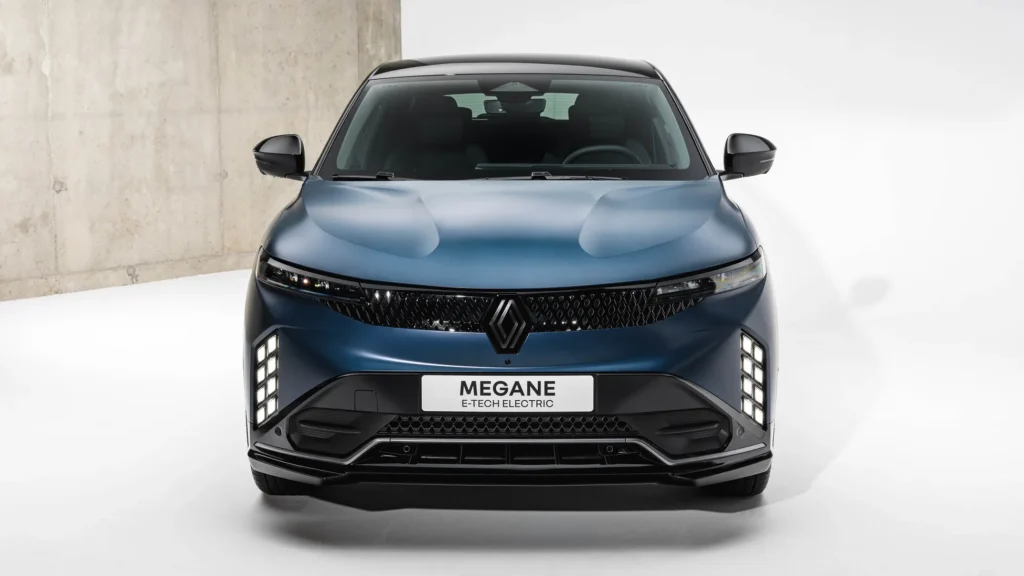
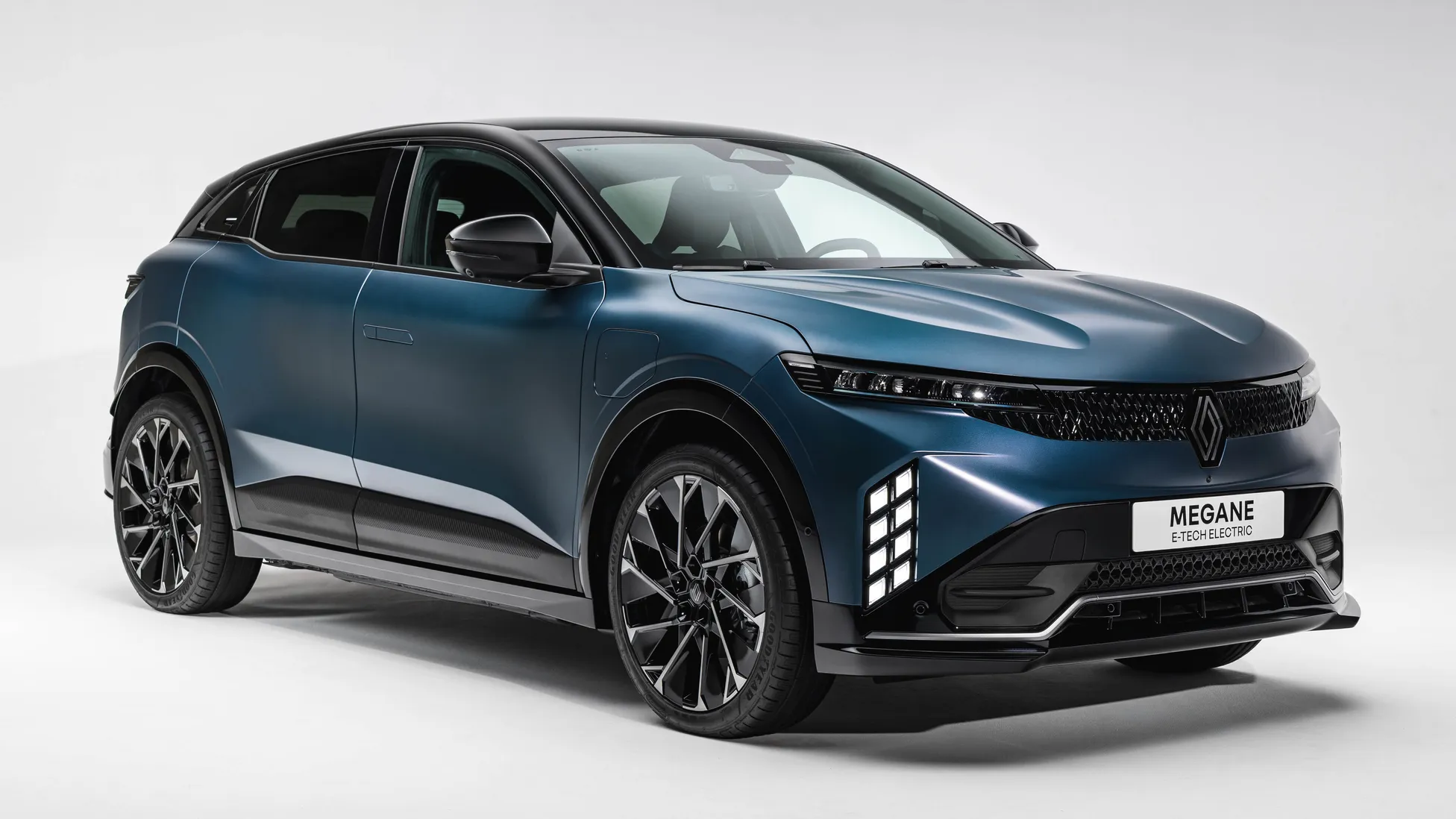
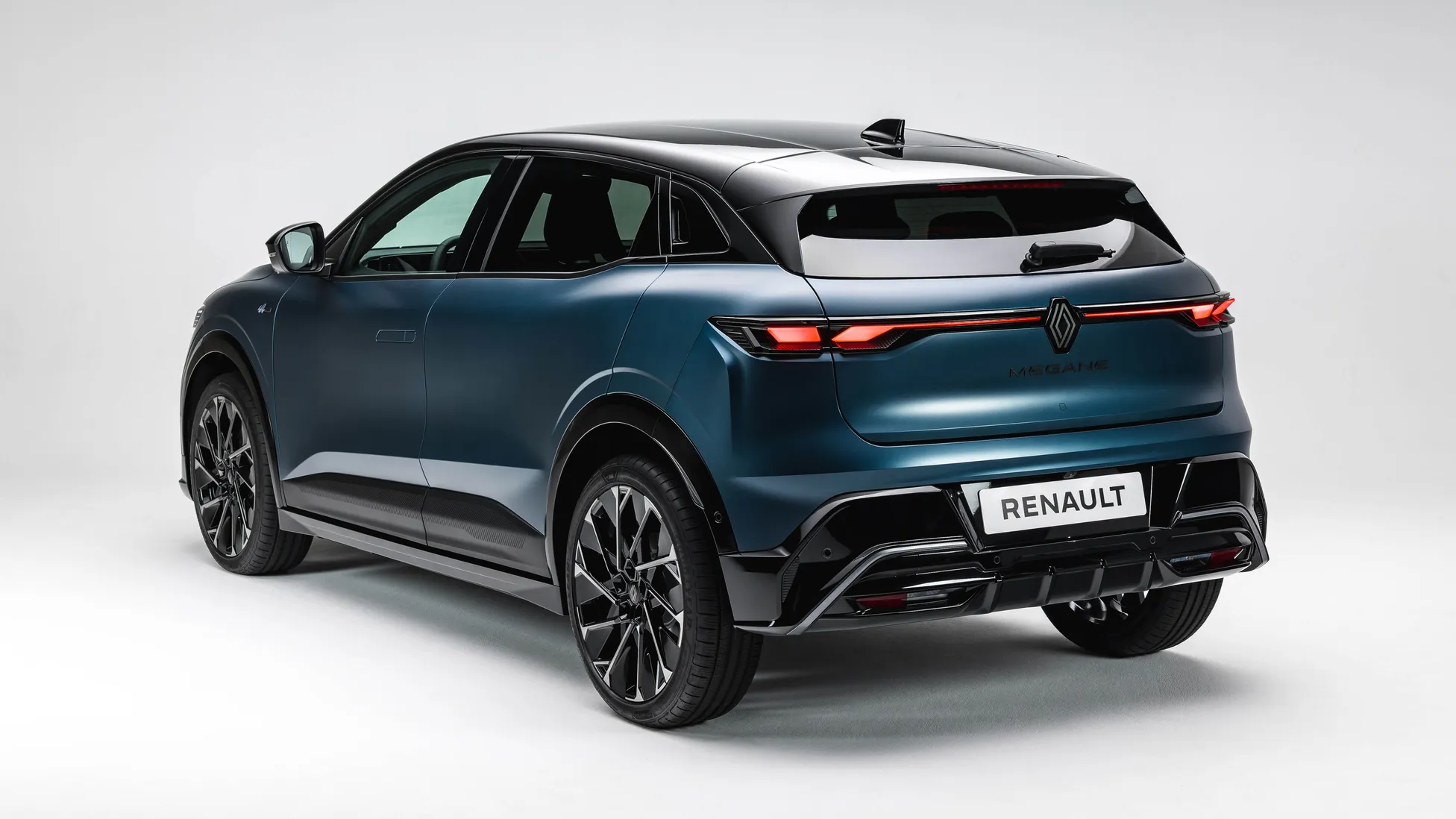
The exterior of the Renault Megane E-Tech facelift 2026 receives a focused update. Therefore, everything ahead of the headlights is new — the headlights themselves are the only carryover element from the original front end. Furthermore, the updated bumper carries more body colour, new diamond-shaped daytime running lights arrive and the Renault badge moves to a repositioned location. Based on this, a larger redesigned fake grille between the lights completes the front-end refresh.
Consequently, Renault describes the overall design direction as sharper — and the changes support that description. The new DRL signature and bumper design give the Megane E-Tech a more assertive face that feels more contemporary than the outgoing version. So, the visual changes are focused and effective rather than comprehensive — exactly the right approach for a mid-life update that does not want to alienate existing fans.
Two Trims: Simplified Range for 2026
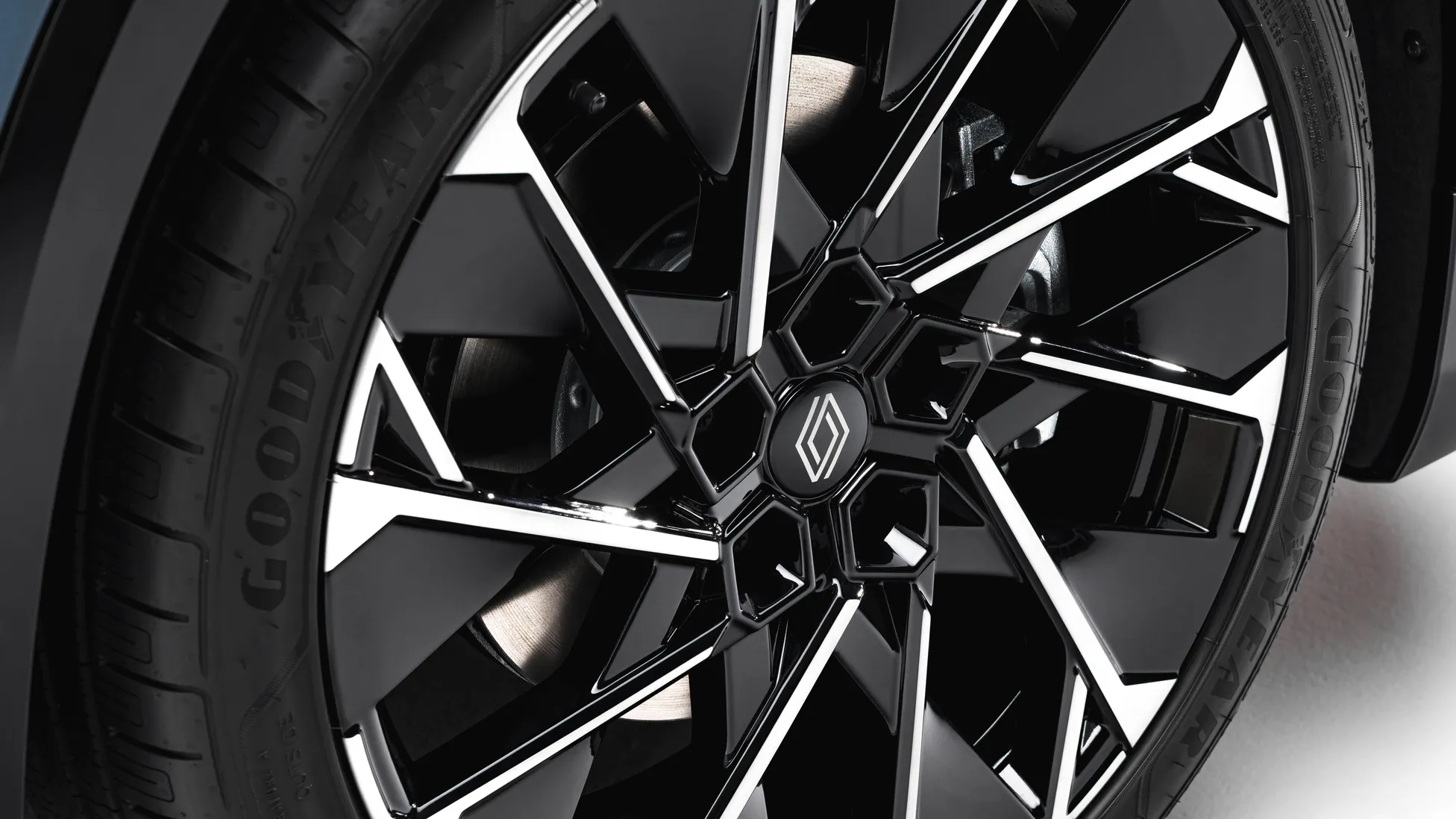
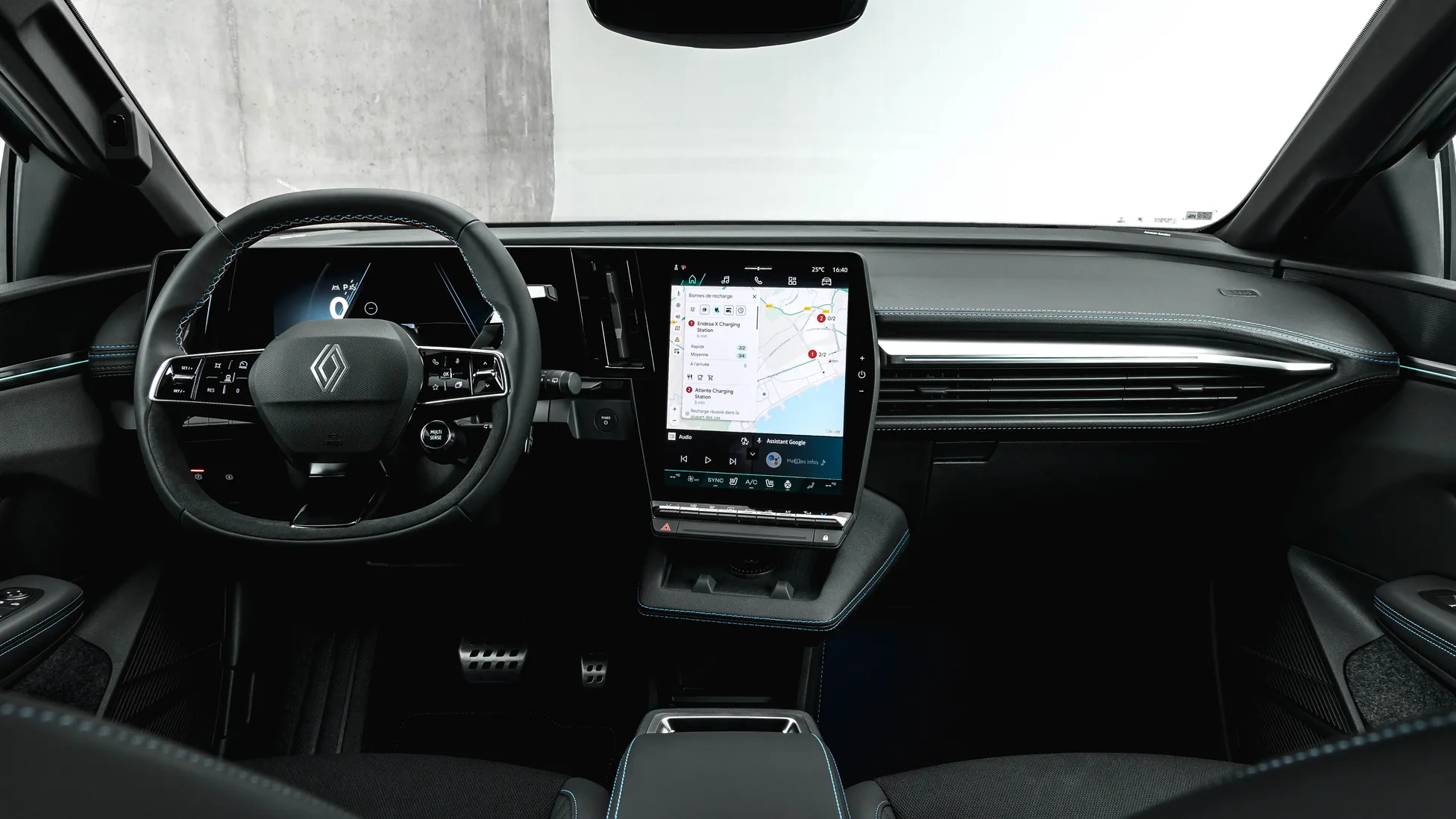
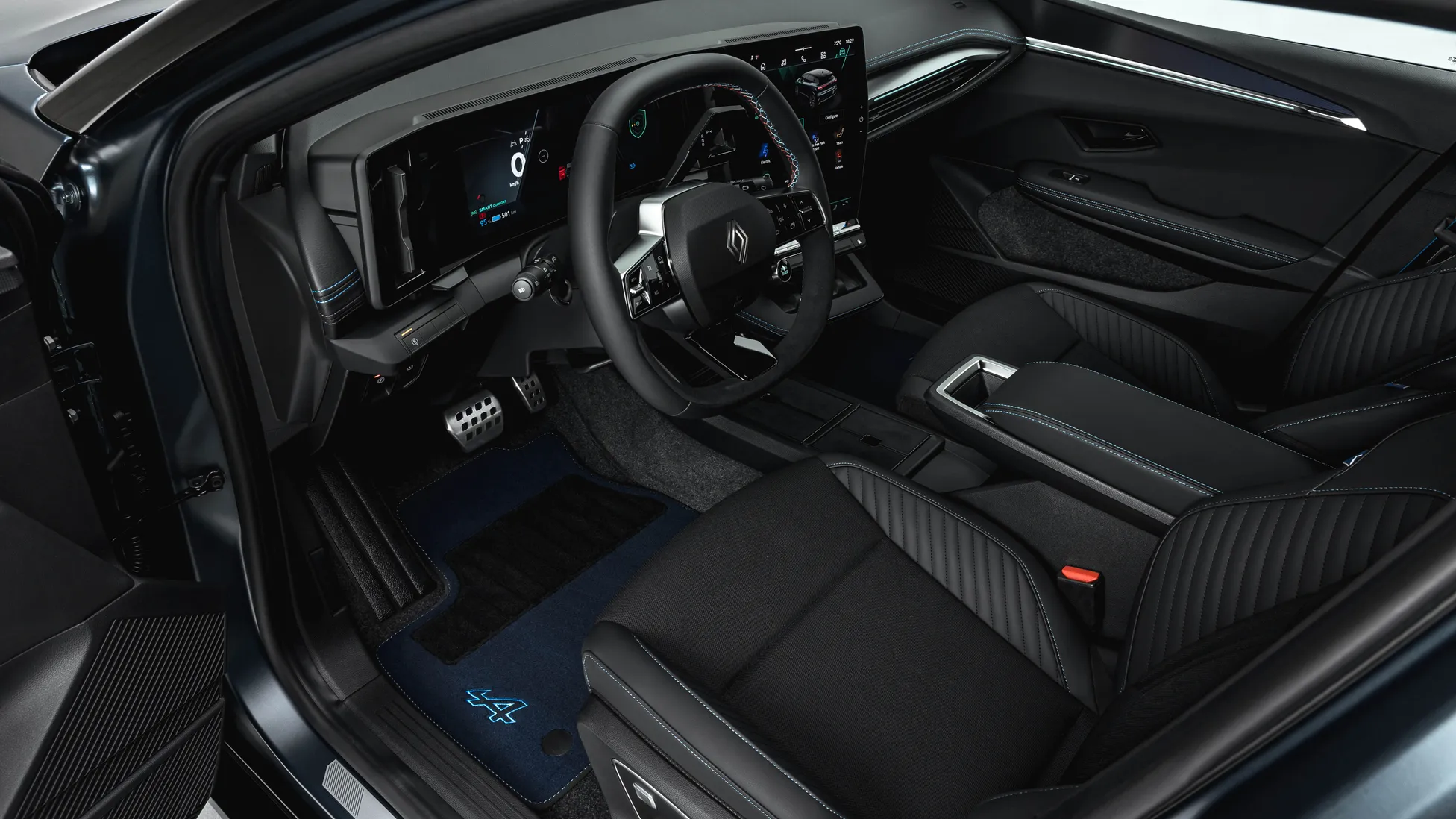
The Renault Megane E-Tech facelift 2026 lineup simplifies to just two trim levels. Therefore, Techno forms the entry point with 19-inch wheels, a heat pump and dual 12-inch screens running Google built-in. Furthermore, the heat pump inclusion as standard on the entry trim is a genuinely important practical detail — it significantly improves energy efficiency in cold weather and protects real-world range in lower temperatures. Based on this, Techno buyers get a very well-equipped baseline without needing to upgrade for essential features.
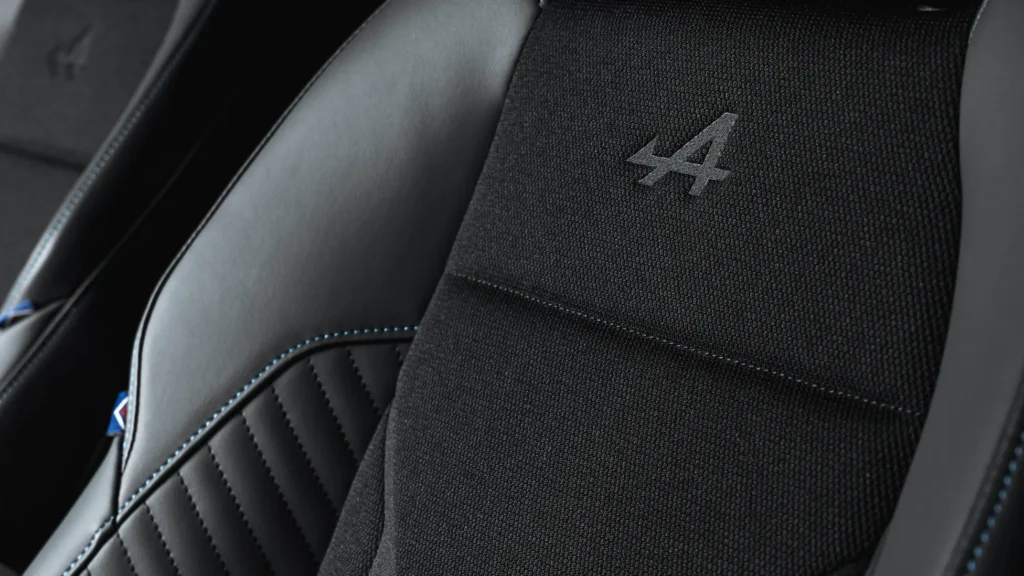
Consequently, the flagship Esprit Alpine trim adds 20-inch alloy wheels, massaging front seats and a Harman Kardon premium audio system. Additionally, the Esprit Alpine specification positions the updated Megane E-Tech directly against premium electric hatchback rivals in a way the previous range structure struggled to do. So, two clear choices — practical or premium — replace a more fragmented multi-trim structure. For the latest electric car news across the Middle East follow GearsME. For full official Megane E-Tech specifications visit the official Renault website.
What This Means for the Megane E-Tech’s Competitive Position
The Renault Megane E-Tech facelift 2026 lands in a competitive electric hatchback segment that includes the Volkswagen ID.3, Vauxhall Astra Electric and a growing number of Chinese alternatives. Therefore, the combination of 310-mile WLTP range, 165kW charging and a revised driving setup positions it more competitively than the outgoing version in almost every dimension that matters to buyers. Furthermore, the simplified two-trim structure makes the buying decision easier and the specification more transparent. Based on this, pricing has not yet been confirmed for the UK but is expected to be announced before the car reaches showrooms.
Consequently, the Renault Megane E-Tech facelift 2026 represents a solid and well-targeted mid-life update rather than a wholesale reinvention. The improvements address real weaknesses — charging speed and range — while the exterior and interior updates keep the car feeling current. So, if you were waiting to see if the Megane E-Tech would improve before committing — the wait is over.
The Right Update at the Right Time
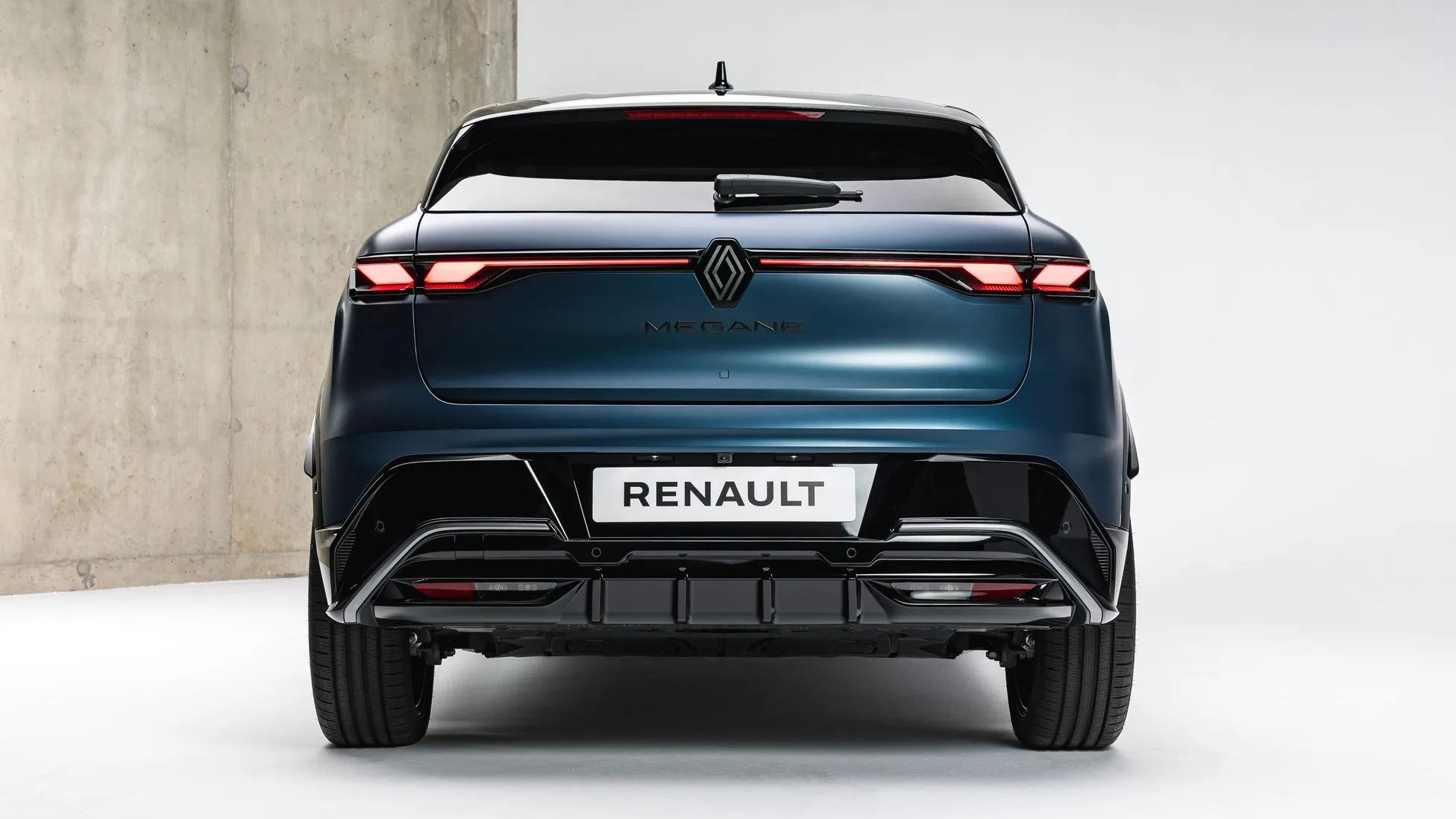
Ultimately, the Renault Megane E-Tech facelift 2026 proves that targeted mid-life updates can genuinely move the needle on the things that matter. Therefore, 25 more miles of WLTP range, 35kW more charging speed, a recalibrated chassis and a sharper exterior in one package is a complete and coherent update. Furthermore, the simplified two-trim lineup and LFP battery chemistry give the updated car a stronger long-term ownership case than its predecessor. Consequently, Renault keeps the Megane E-Tech competitive in a segment that keeps raising its standards.
Key Technical Facts:
| Detail | Renault Megane E-Tech Facelift 2026 |
|---|---|
| Battery | 67kWh lithium iron phosphate (LFP) |
| Battery architecture | Cell-to-pack |
| WLTP range | 310 miles (approximately) |
| Range increase | +25 miles vs pre-facelift |
| Motor power | 217 horsepower |
| Drive | Front-wheel drive |
| 0-62mph | 7.6 seconds |
| DC charging speed | 165kW (up from 130kW) |
| 15-80% charge time | 24 minutes |
| Height increase | +20mm vs pre-facelift |
| Entry trim | Techno — 19-inch wheels, heat pump, dual 12-inch screens, Google built-in |
| Top trim | Esprit Alpine — 20-inch alloys, massaging seats, Harman Kardon audio |
| Number of trims | 2 |
| Chassis updates | Springs, dampers and steering recalibrated |
| Front design | New bumper, new DRL, repositioned badge, new grille |