

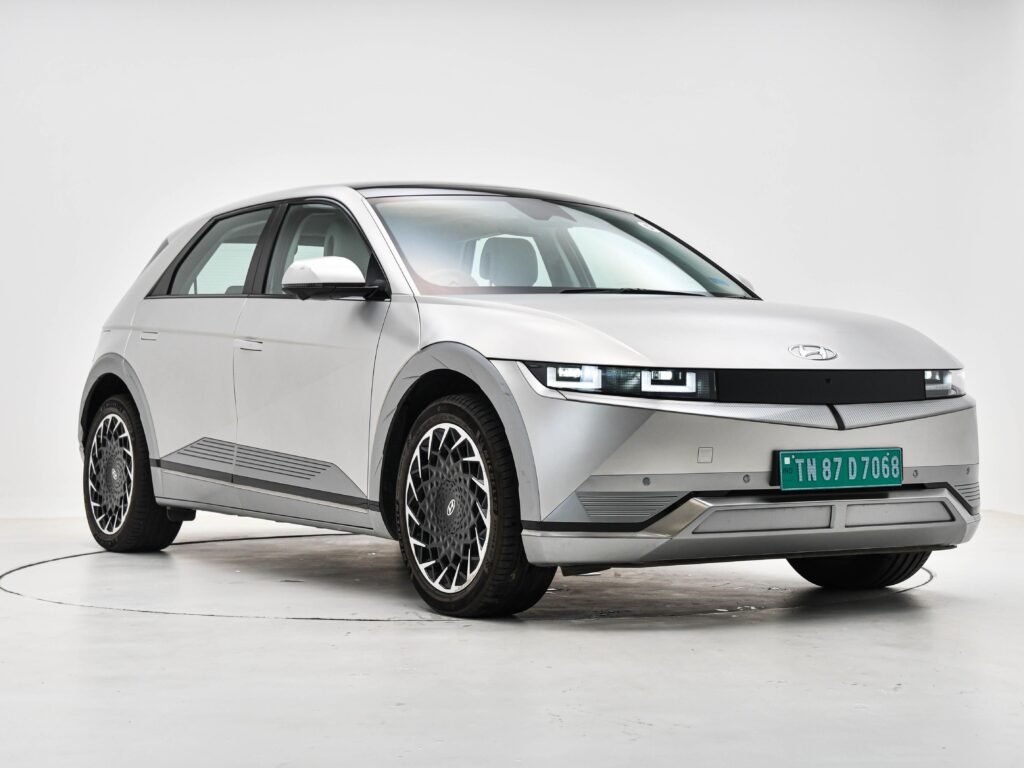

An electric SUV test drive should involve more than checking the advertised driving range or experiencing instant acceleration. While these are important factors, the everyday ownership experience depends on several other details, including ride comfort, regenerative braking, cabin noise, charging convenience, visibility and technology. A vehicle may look impressive on paper, but spending time behind the wheel helps you understand whether it genuinely suits your driving habits.
Electric SUVs are designed for different types of drivers, from daily commuters to families who regularly travel longer distances. Before making a purchase, it is worth evaluating how the vehicle behaves in real-world conditions rather than relying entirely on manufacturer specifications.
1. Evaluate Ride Comfort and Suspension
Electric SUVs often carry heavier battery packs than conventional petrol-powered vehicles. This additional weight can influence how the suspension responds to uneven roads, speed bumps and sharp corners.
During your test drive, try to include different road surfaces. Pay attention to how the vehicle handles potholes, road joints and uneven patches. Does the suspension absorb bumps comfortably, or do you feel excessive movement inside the cabin?
Seat comfort is equally important. Check the driver’s seating position, lumbar support, headroom and legroom. If you regularly travel with family members, ask passengers to evaluate the rear seats as well.
A comfortable electric SUV should offer a balanced ride without feeling excessively stiff or unsettled.
2. Test Regenerative Braking and Brake Response
One of the biggest differences between electric SUVs and conventional vehicles is regenerative braking. This system uses the electric motor to slow the vehicle and recover some of the energy, sending it back to the battery.
However, the braking experience varies between models.
During your electric SUV test drive, try the available regenerative braking settings. Some vehicles offer adjustable levels, while others provide stronger one-pedal driving modes.
Pay attention to:
- How smoothly the vehicle slows down when you release the accelerator.
- Whether regenerative braking feels comfortable in stop-and-go traffic.
- How naturally the system transitions between regenerative and conventional braking.
- Whether the brake pedal provides predictable stopping control.
You should feel comfortable with the braking response in both city traffic and at higher speeds. Regenerative braking should complement conventional braking, not make it difficult to control the vehicle.
3. Check Cabin Noise and Interior Refinement
Electric vehicles are generally quieter because they do not have the same engine noise as petrol or diesel vehicles. However, this also makes other sounds more noticeable.
During the drive, switch off the music and pay attention to the cabin environment.
Listen for tyre noise, wind noise and suspension sounds, particularly when travelling on highways. Check whether vibrations or rattling sounds become noticeable over rough roads.
Also evaluate the quality of the interior materials, dashboard finish, seat upholstery and overall assembly.
These details may seem minor during a short dealership visit, but they can significantly influence comfort during longer journeys.
4. Assess Handling, Steering and Road Stability
An electric SUV should feel predictable and easy to control, regardless of its power output.
Test how the steering responds during regular turns, lane changes and parking manoeuvres. Is it too light, too heavy or appropriately weighted?
If possible, drive on a road with gentle curves and observe how the vehicle maintains stability. Check whether body movement feels controlled when taking turns.
Pay attention to the following:
- Steering response at low and higher speeds.
- Stability during cornering.
- Turning radius in tight spaces.
- Confidence when changing lanes.
- Overall braking and handling balance.
The goal is not to test the vehicle’s limits but to understand whether it feels stable and comfortable during everyday driving.
5. Examine Charging Convenience and Accessibility
Charging is an important part of electric vehicle ownership. Even if an SUV offers an impressive battery capacity, the charging experience should fit your daily routine.
During the test drive, locate the charging port and check how easily you can access it. Consider whether its position will be convenient when parking in your garage or using public charging stations.
Ask the dealer to explain the vehicle’s AC and DC charging capabilities. Also check:
- Supported charging connector types.
- Maximum AC and DC charging speeds.
- Estimated charging time under suitable conditions.
- Availability of charging cables and accessories.
- Battery warranty and charging-related support.
If you plan to use public charging stations regularly, check whether the vehicle’s navigation system can locate compatible charging points.
The EV charging guide from the US Department of Energy provides useful information about different charging options and their practical applications.
6. Explore Infotainment and Driver Assistance Features
Modern electric SUVs rely heavily on digital technology. Touchscreens, connected applications, navigation systems and driver assistance features all contribute to the driving experience.
However, having more features does not automatically make a vehicle easier to use.
Spend some time exploring the infotainment system. Check how quickly the screen responds, whether the menus are easy to navigate and whether essential controls are accessible without unnecessary distractions.
Also evaluate:
- Smartphone connectivity and Bluetooth.
- Navigation with charging station information.
- Digital instrument cluster readability.
- Parking sensors and 360-degree cameras.
- Adaptive cruise control and lane assistance, where available.
- Mobile application functionality.
Ask the dealer to demonstrate important safety features while the vehicle is stationary. During the drive, assess their behaviour only when it is safe to do so.
7. Check Visibility, Parking and Everyday Practicality
An electric SUV might look compact from the outside but still have visibility limitations due to its design, window positioning or thick pillars.
Adjust the driver’s seat and mirrors before starting the drive. Check the front, side and rear visibility, paying particular attention to blind spots.
Parking is another important consideration. Try reversing into a parking space and making a tight turn if the test route allows it. Evaluate how effectively the parking sensors, cameras and steering assist you.
Interior practicality also deserves attention. Check the boot capacity, rear-seat flexibility, storage compartments and space for everyday luggage.
For example, a family-oriented SUV should comfortably accommodate passengers and their regular belongings without compromising seating comfort.
8. Evaluate Climate Control and Energy Consumption
Air conditioning is particularly important in warmer climates, where cooling systems may be used frequently.
Test how quickly the cabin reaches a comfortable temperature and whether the climate control system maintains consistent cooling.
If the vehicle offers battery preconditioning or scheduled climate control, ask the dealer to explain how these functions work.
Also observe the energy consumption display during your drive. Rather than focusing on one short-trip figure, understand how driving conditions, air conditioning, speed and acceleration influence electricity consumption.
This gives you a more realistic picture of how the vehicle may perform during everyday use.
9. Compare Different Electric SUVs Before Deciding
If you are considering multiple models, avoid making a decision after driving just one vehicle.
Compare SUVs from similar categories and price ranges. For example, you could evaluate the Tesla Model Y, Audi Q8 E-Tron and Hyundai Ioniq 5 based on their respective specifications, comfort, technology and practicality.
Use a similar test route for each vehicle so that your observations remain consistent.
Compare the following:
- Ride quality and passenger comfort.
- Braking and steering response.
- Interior space and boot capacity.
- Charging compatibility and convenience.
- Technology and safety features.
- Warranty coverage and after-sales support.
A structured comparison makes it easier to identify which SUV offers the best overall experience for your requirements.
Final Thoughts
An electric SUV should offer more than impressive range figures and quick acceleration. Comfort, braking response, charging convenience, cabin refinement and everyday practicality all contribute to a satisfying ownership experience.
Before purchasing, take enough time to explore the vehicle in different driving conditions and ask the dealer questions about features, warranty and maintenance.
A well-planned electric SUV test drive helps you look beyond the specifications and choose a vehicle that fits your lifestyle, driving preferences and long-term expectations.