


There are moments in life that quietly change the way you see things. They don’t always arrive dramatically. Sometimes they’re not even planned. Sometimes they come in the form of something as ordinary as a phone call.
This one started as a completely normal conversation with the marketing manager at Markazia Lexus, the official Lexus dealer in Jordan. We were discussing a few things when, almost without thinking, I asked a question.
“Why don’t you let me create some content with the LFA?”
There was a short pause.
Then the reply came.
“Let me see what I can do.”
If you’re Jordanian, you already know what that usually means.
It means, “Forget about it.”
So I didn’t think much of it.
Until two days later when my phone rang again.
It was him.
“I arranged the LFA for you. Tomorrow.”
For a moment I didn’t react. Not because I didn’t understand what he said, but because I did.
Then the only honest response came out.
“Tomorrow? That’s impossible. This car needs preparation.”
Because this wasn’t just any car.
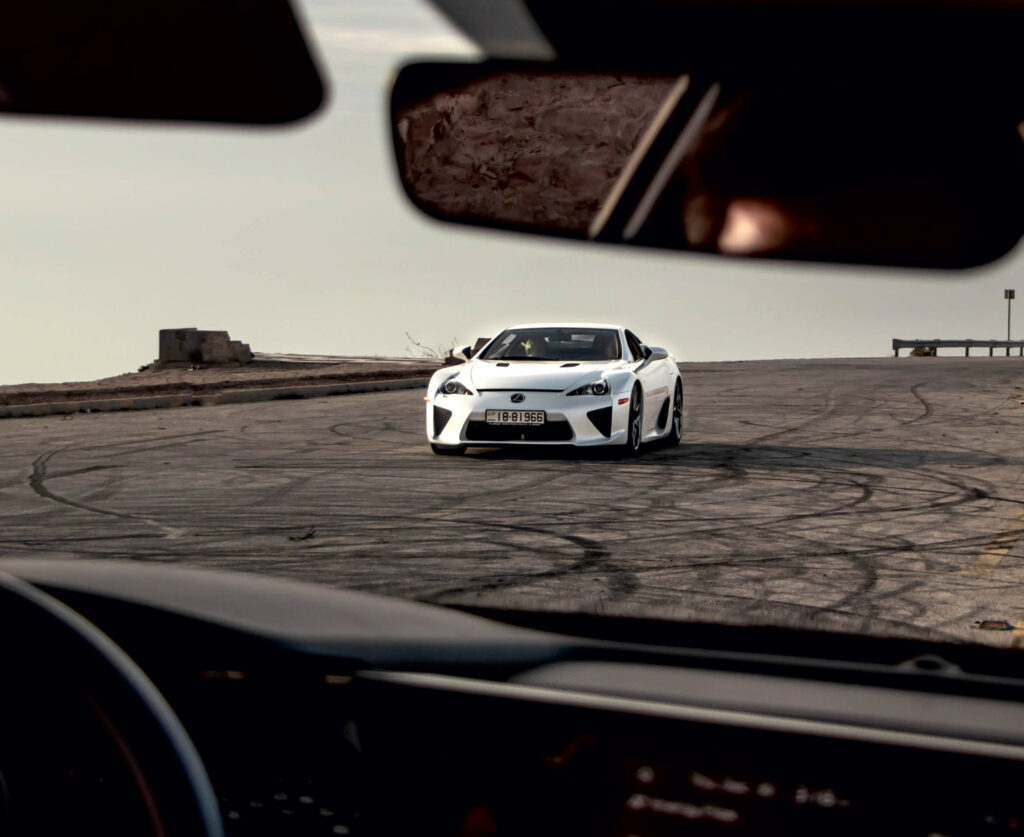
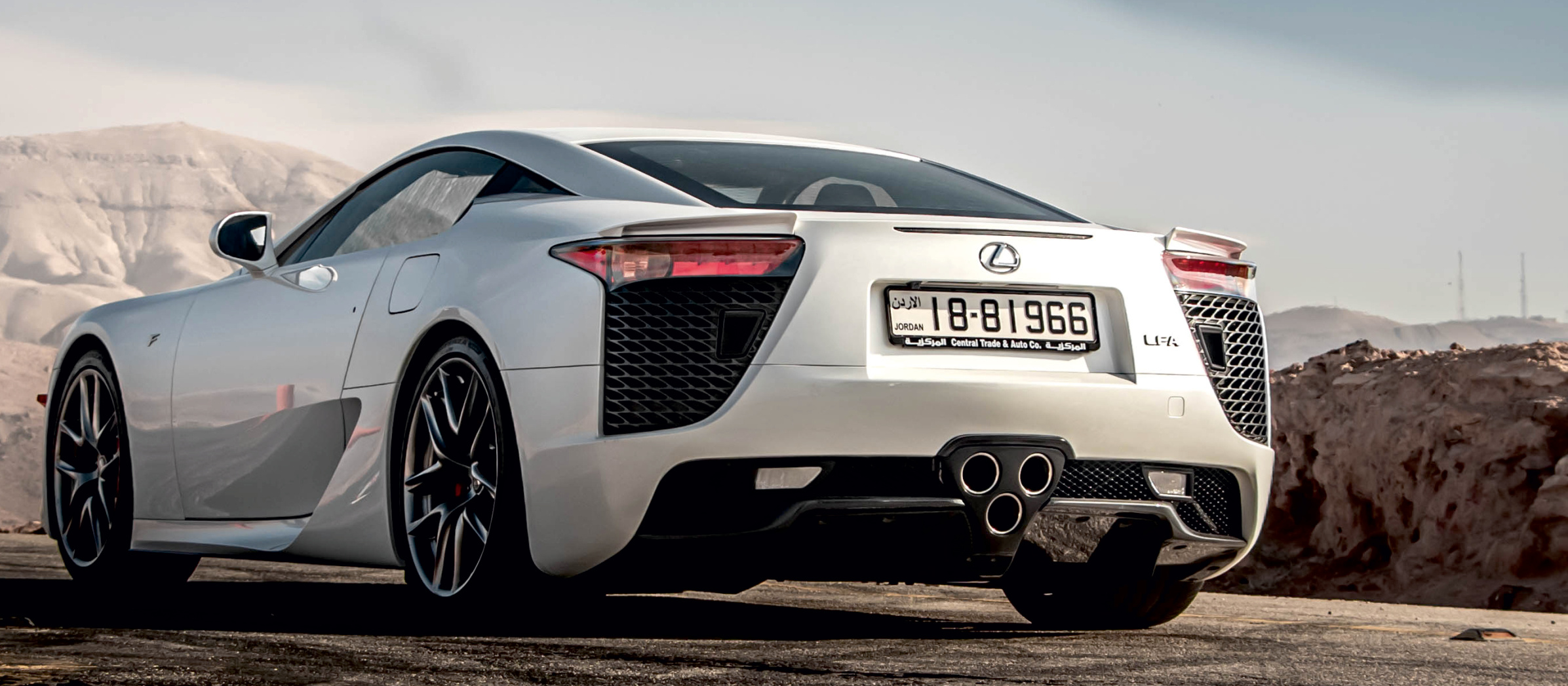
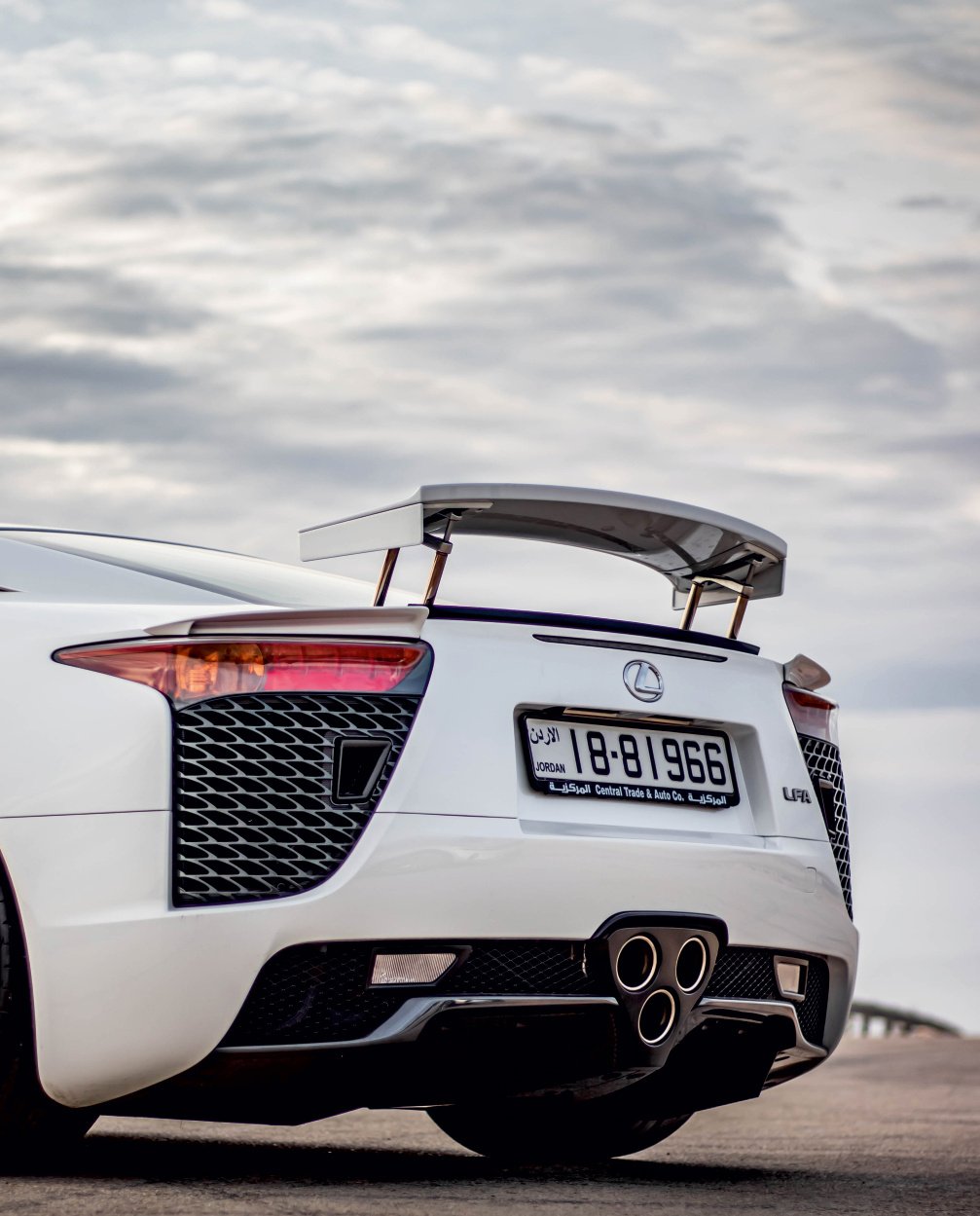
This was the Lexus LFA.
A machine that many believe represents the final chapter of the analog supercar era. A car engineered with an obsessive level of detail, built in tiny numbers, and today valued close to a million dollars.
You don’t just casually take an LFA out for a drive.
Or at least… you shouldn’t.

THE ROAD
The next question was obvious.
Where do you take a car like this?
Where do you create content with a car that has less than 1,500 kilometres on the clock?
For us, the answer was clear.
The Dead Sea Panorama Road.
It’s one of the most beautiful driving roads in Jordan. A ribbon of asphalt stretching across the mountains above the Dead Sea, surrounded by dramatic landscapes and endless horizons.
But the real reason we chose it was simpler.
In the middle of the week, the road is almost empty.
And for a car like the LFA, silence matters.
Space matters.
Freedom matters.
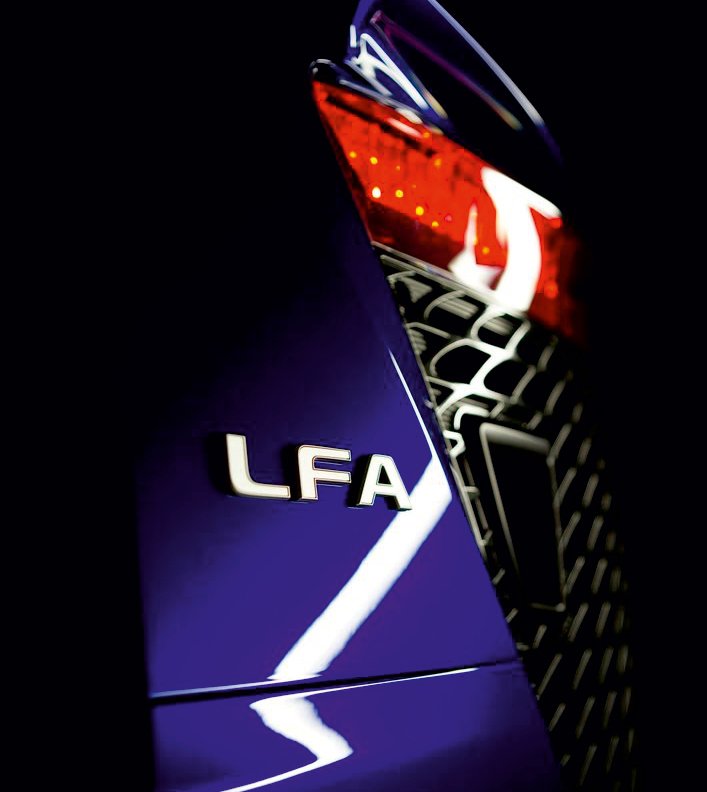
THE CALM BEFORE THE DRIVE
The day of the shoot arrived under a clear blue sky of a breezing December day.
At first, I wasn’t driving.
I sat in the passenger seat while the Lexus showroom manager took the wheel.
We covered about 50 kilometres together, talking about the car in detail.
Small details.
Engineering decisions.
Stories about the development of the LFA.
The kind of conversation that slowly builds anticipation.
Eventually, the road began to change.
The mountains opened up.
The curves started appearing.
And just like that, we reached the beginning of the Panorama Road.
The moment had arrived.
I stepped out of the passenger seat and moved into the driver’s seat of the Lexus LFA.
For a few seconds, I didn’t start the car.
I just sat there.
Taking it in.
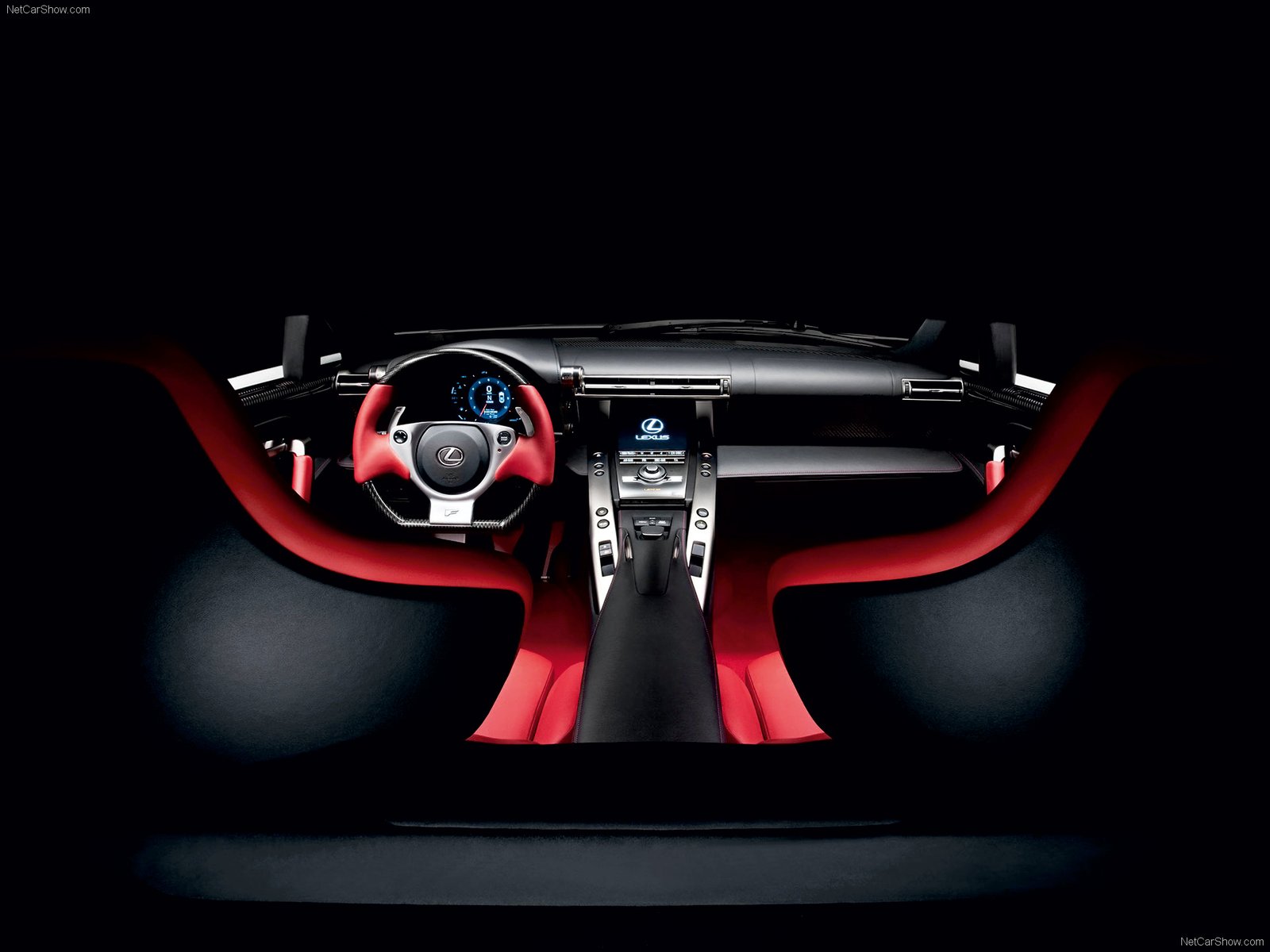
The cockpit.
The materials.
The layout.
Every small detail that I had spent years reading about suddenly existed right in front of me.
I had studied the LFA for years.
But knowledge and experience are two very different things.
There was only one way to truly understand it.
Driving it.
THE FIRST MOVEMENT
The first thing you notice about the LFA isn’t the power.
It’s the mechanics.
Everything feels alive.
Select a gear and you hear the transmission engage.
Touch the throttle and the engine reacts instantly.
Nothing feels filtered.
Nothing feels artificial.
It feels like a machine speaking directly to you.
I engage the single-clutch gearbox and gently press the throttle of the 4.8-litre naturally aspirated V10.
The car moves forward.
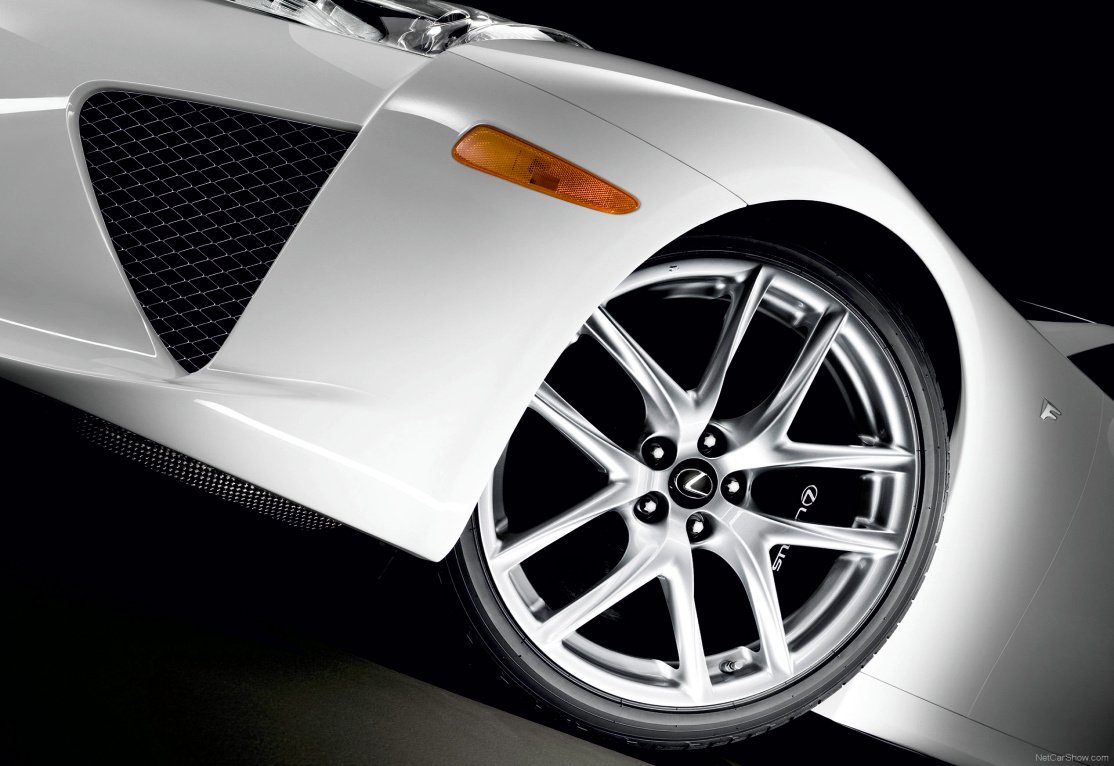
Immediately you feel the lightness, the balance, the way the carbon-fibre chassis holds everything together.
A chassis that took Lexus more than three years to perfect before the car even entered production.
For the first few kilometres, I drive carefully.
Respectfully.
Trying to absorb everything.
Trying to understand the car.
Then the Lexus showroom manager looks at me and says something that instantly changes the mood.
“Not every day you get this opportunity.”
He looks out at the empty road ahead.
“The road is perfect. The car is perfect.”
A short pause.
“Go for it.”
9,500 RPM
I press the throttle.
Hard.
The engine climbs instantly through the rev range and suddenly the entire cabin fills with sound.
Not noise.
Sound.
A high-pitched, perfectly tuned mechanical scream as the V10 races toward 9,500 rpm.
Second gear.
Third gear.
By the time third gear engages, the car launches forward with an intensity that feels almost unreal.
This isn’t just acceleration.
It’s theatre.
A Japanese mechanical symphony, engineered with an obsession that few manufacturers would dare attempt today.
You might look at the numbers and think the LFA isn’t that extreme anymore.
560 horsepower doesn’t sound outrageous in a world where modern supercars easily produce twice that.
But numbers don’t tell the whole story.
Because 560 horsepower in a car weighing just 1,480 kg feels very different when there’s nothing between you and the machine.
No digital filters.
No artificial safety net.
Just you, the engine, and the road.
THE DISAPPEARING WORLD
The Panorama Road stretch we drove was about five kilometres long, but something strange happens when you’re driving a car like the LFA.
Time begins to disappear.
The world outside fades away.
Your focus narrows to two things.
The road ahead.
And the car beneath you.
Corner after corner, the car flows through the curves with a precision that feels almost surreal.
Every input matters.
Every movement matters.
By the end of the road I was still accelerating through fifth gear, completely immersed in the experience.
To this day, I honestly don’t know what speed we reached.
Because I wasn’t looking at the numbers.
I was feeling the road.
Every corner.
Every metre.
Every vibration through the steering wheel.
WHAT CHANGED
After driving the LFA, something inside my understanding of cars changed.
Because a car isn’t just horsepower.
It’s not just engine size.
It’s not just comfort, technology, or performance figures.
A car is a collection of emotions, created by a complex system of engineering and mechanical interaction.
And the Lexus LFA might be one of the last cars built entirely around that philosophy.
Today, the automotive world is moving rapidly toward digital performance.
Today, you can drive a 1,000-horsepower car without feeling the slightest hint of fear which, surprisingly, isn’t what most petrolheads actually want.
What they truly crave is raw driving: the feeling of the road through the steering wheel, the vibrations of the engine, and the mechanical connection between driver and machine.
And that’s exactly what makes the LFA so special.
It demands your attention.
It demands your respect.
It reminds you that driving was never meant to feel easy.
And that’s why cars like the LFA still matter.
Because when you’re behind the wheel of a machine like this, there is only one thing you’re allowed to think about.
Driving.