


The China MIIT production licence revoked 2026 story confirms a major restructuring of the Chinese car industry. Therefore, China’s Ministry of Industry and Information Technology officially removed eight manufacturers from its production directory in Batch 408. Furthermore, the same announcement grants new production approvals to Xiaomi Auto and Fujian Benz. Based on this, the Chinese car industry contracts and expands simultaneously. So, the implications reach well beyond China’s domestic market. Ultimately, Batch 408 tells you exactly where Chinese automotive is heading.
The Eight Brands That Lost Their Licences
The China MIIT production licence revoked 2026 list covers eight manufacturers. Therefore, Zotye, Lifan, Leopaard, FAW Xiali, Brilliance Auto independent brand, Hawtai, BAIC Yinxiang and Haima all lose their production qualifications. Furthermore, removal means these companies can no longer legally manufacture complete vehicles. Based on this, factory operations cease and production lines seal permanently.
Consequently, this is not a temporary suspension. It is a permanent and immediate end to each brand as an active manufacturing entity. So, any cars these brands have already sold globally face real questions about spare parts and after-sales support going forward.
What the Removals Signal
The China MIIT production licence revoked 2026 batch is not arbitrary. Therefore, China’s government has consistently signalled its intention to consolidate the domestic industry around viable and technology-capable manufacturers. Furthermore, dozens of small Chinese brands emerged during the boom years of the 2000s and 2010s — sustained by local government subsidies rather than genuine market demand. Based on this, the MIIT’s action accelerates a consolidation that market forces were already delivering more slowly.
Consequently, fewer but stronger Chinese brands emerge from this process. So, the removal of eight brands in one batch is not a story about failure — it is a story about the managed professionalisation of one of the world’s largest car industries.
Xiaomi Auto Gets Extended-Range Electric Approval
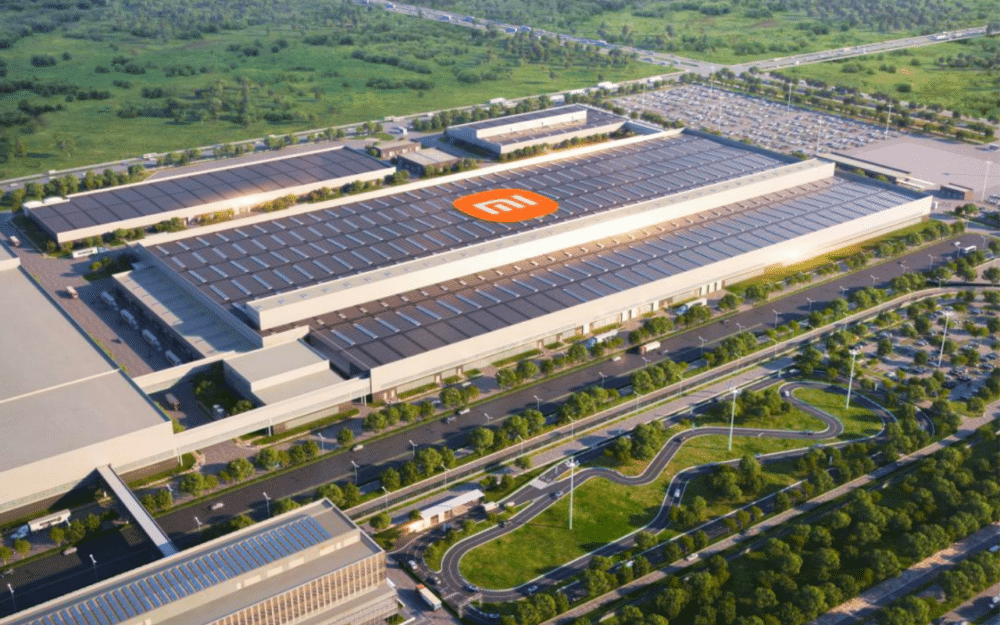
The positive half of the announcement concerns Xiaomi Auto. Therefore, Xiaomi has been granted approval to add extended-range electric passenger vehicles to its production scope at its Beijing facility. Furthermore, this clears the path for the highly anticipated Xiaomi EREV SUV — expected to launch before the end of 2026. Based on this, Xiaomi’s transition from smartphone maker to serious car manufacturer continues on schedule.
Consequently, the SKYNOMAD sub-brand’s rugged EREV SUV — already spotted testing — moves one regulatory step closer to production reality. So, Xiaomi now holds approval for both pure electric and extended-range electric vehicles from its Beijing plant.
Fujian Benz Cleared for Electric MPV Production
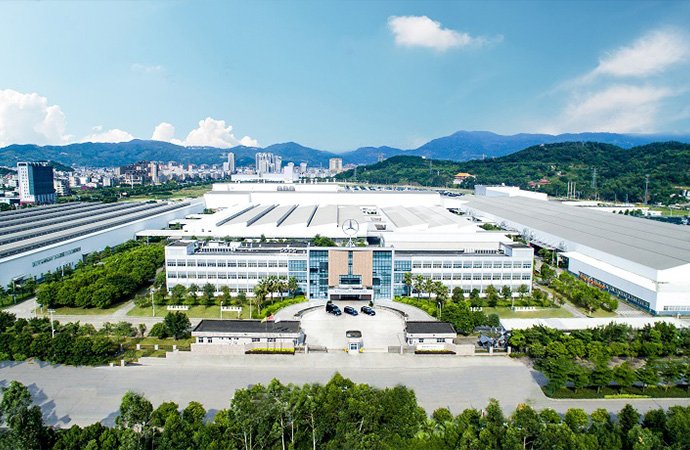
Fujian Benz receives the second new approval in the announcement. Therefore, Fujian Benz gains clearance to produce pure electric passenger vehicles in China. Furthermore, this paves the way for localised production of the all-electric Mercedes-Benz VLE MPV before the end of 2026. Based on this, Mercedes-Benz builds China-specific electric models closer to the Chinese customer rather than importing from Europe.
Consequently, localised production reduces cost and improves delivery timelines. Additionally, it strengthens Mercedes-Benz’s position against domestic Chinese EV brands competing aggressively on price and technology. For the latest Chinese automotive industry news follow GearsME. For the full official announcement visit the official MIIT website. So, Fujian Benz’s approval confirms that global premium brands continue to invest seriously in China.
Why This Matters for Gulf Car Buyers
The China MIIT production licence revoked 2026 announcement reaches the Gulf market directly. Therefore, Gulf buyers increasingly encounter Chinese brands through official dealerships in the UAE, Saudi Arabia and Qatar. Furthermore, brands removed from the MIIT directory cannot legally continue vehicle production — which creates real questions about spare parts and warranty support for cars already sold globally. Based on this, knowing which Chinese brands carry genuine regulatory standing at home matters for any Gulf buyer considering a Chinese car.
Consequently, the consolidation of Chinese automotive around financially viable brands ultimately serves Gulf buyers better. So, fewer but stronger Chinese manufacturers mean better products and more reliable after-sales commitments across the region.
Ultimately, the China MIIT production licence revoked 2026 batch proves the Chinese automotive industry contracts at the weak end and expands at the capable end simultaneously. Therefore, eight brands lose manufacturing rights while Xiaomi and Fujian Benz gain new production permissions. Furthermore, both new approvals point toward a Chinese market defined by technology capability rather than volume of brands. Consequently, the direction is clear — and the pace is accelerating.