

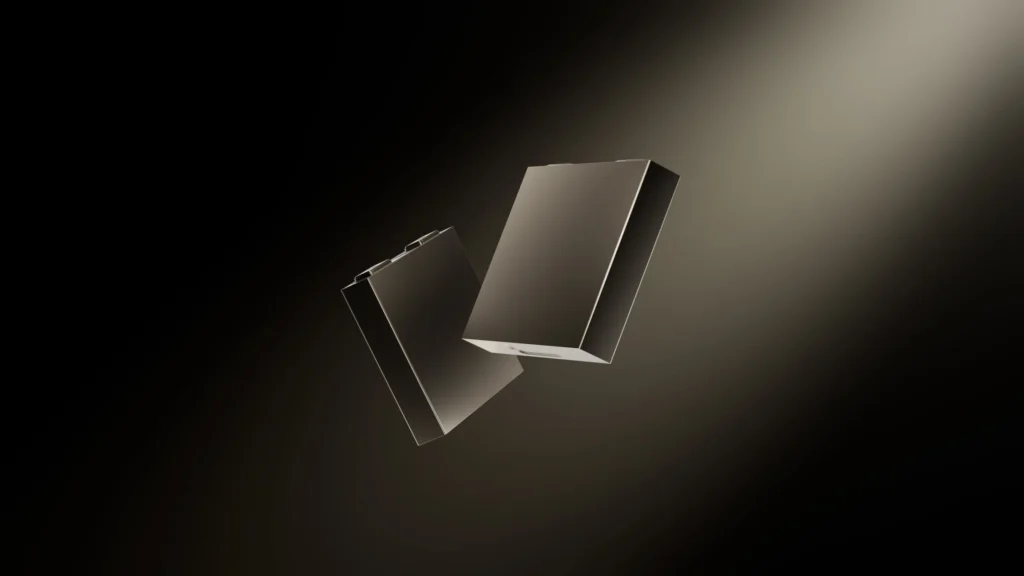

CATL officially unveils the CATL Shenxing 3 battery. It charges from 10 to 98 percent in just 6.5 minutes. Therefore, it becomes the fastest EV battery in automotive history. Furthermore, it beats BYD’s record of 9 minutes from 10 to 97 percent. Based on this, BYD held the industry record for less than four weeks. So, this marks a real turning point for EV charging speed. Ultimately, the CATL Shenxing 3 battery closes the last gap between electric and petrol refuelling.
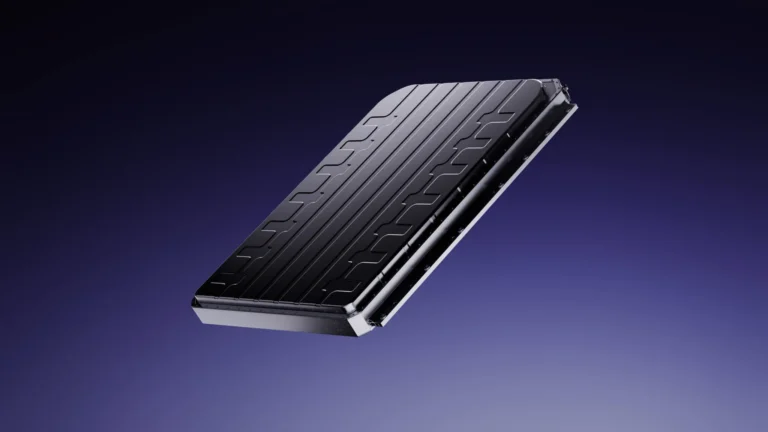
What Is the CATL Shenxing 3 Battery?
The CATL Shenxing 3 battery is a major leap in EV fast-charging technology. Therefore, it uses a 10C charging rate for extreme speed. Specifically, it goes from 10 to 80 percent in just 3 minutes and 44 seconds. Furthermore, it works well in extreme cold too. It charges from 20 to 98 percent in around 9 minutes at minus 30 degrees Celsius. Based on this, cold weather is no longer a barrier to fast EV charging. Consequently, the CATL Shenxing 3 battery removes one of the biggest objections to buying an EV.
Most importantly, this speed does not hurt long-term battery health. Testing shows it retains over 90 percent capacity after 1,000 full charging cycles. Therefore, it combines fast charging with real durability. Based on this, CATL answers both short-term and long-term EV owner concerns at once.
Qilin 3 Battery: 621 Miles of Range at Just 625kg
CATL also announces the Qilin 3 battery with very different but equally exciting numbers. On one hand, it delivers up to 1,000 kilometres of range on one charge. On the other hand, it weighs just 625 kilograms. Furthermore, that makes it much lighter than rivals with the same range. Therefore, this directly improves efficiency, speed, braking and handling. Additionally, Bernstein analysts say these batteries effectively close the gap with petrol cars. Based on this, the case against EVs grows weaker every day.
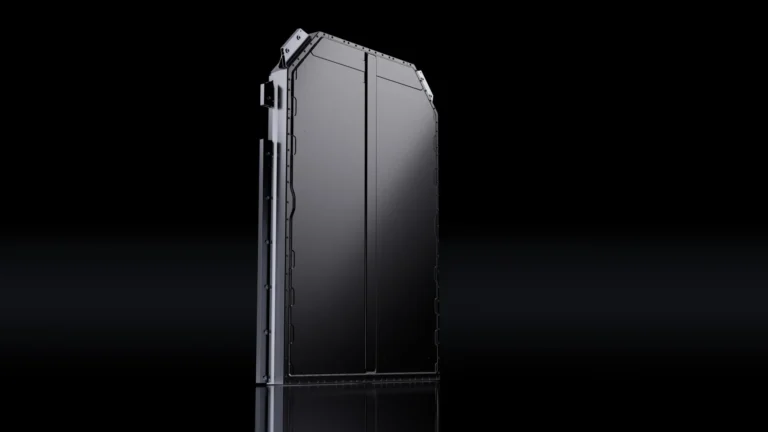
Qilin Condensed Battery: 932 Miles Makes Range Anxiety History
CATL also reveals the Qilin Condensed battery with the boldest range figures yet. Furthermore, it delivers up to 1,500 kilometres in a sedan. In a full-size SUV, it still offers over 1,000 kilometres. Therefore, range anxiety shifts from a daily problem to a non-issue. Additionally, this level of range cuts the need for public charging infrastructure significantly. Based on this, the Qilin Condensed tackles both range and infrastructure in one move. However, CATL notes it is further from production than Shenxing 3 and Qilin 3.
Sodium-Ion Battery: Mass Production by End of 2026
CATL is not stopping there. In addition, its sodium-ion battery enters mass production by end of 2026. Therefore, it offers a strong alternative to traditional lithium chemistry. Furthermore, sodium-ion batteries cost less to make. They also use raw materials that are far more widely available globally. Based on this, EVs become less dependent on rare and concentrated resources. Consequently, CATL strengthens its leadership from multiple directions at once.
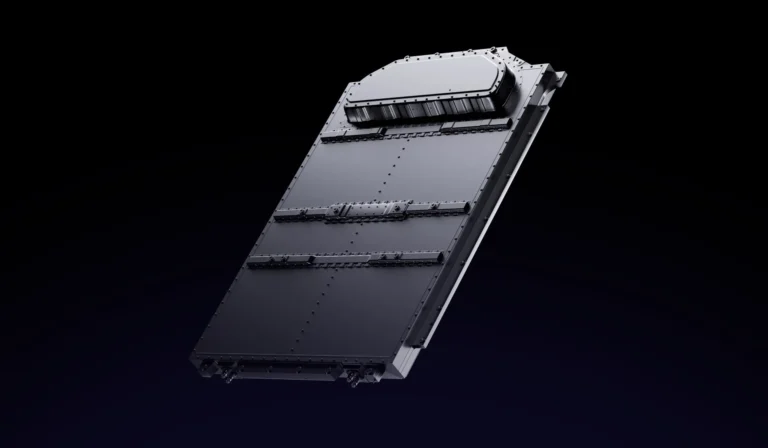
When Do These Batteries Reach Production Cars?
CATL confirms the Shenxing 3 and Qilin 3 are built for real production vehicles. Furthermore, the first cars using them should arrive within the next year or so. The Qilin Condensed is further away from mass production. Therefore, 2027 looks like a realistic target for the first cars with this technology. For the latest EV tech news across the Middle East, follow GearsME. For full details, visit the official CATL website.
Final Thoughts: CATL Closes the Gap With the Petrol Pump
Ultimately, the CATL Shenxing 3 battery proves EVs are closing in on petrol station speeds. Furthermore, these three batteries make old arguments against EVs far less convincing. Additionally, analyst comments about closing the ICE gap signal a real tipping point is near. Consequently, EVs enter a landmark year that reshapes consumer expectations and the global car industry.