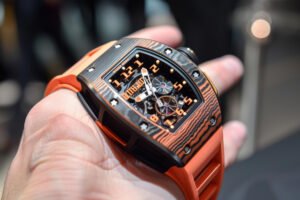



Formula 1 has always been associated with speed, precision, technology, and performance. Over the years, it has also become closely connected with luxury, fashion, and lifestyle brands. One of the most recognisable examples is the relationship between luxury watches and F1, where watchmakers have built long-term partnerships with the sport, teams, drivers, and major race events.
The connection makes sense on several levels. Formula 1 depends on accurate timing and split-second decisions, while luxury watchmaking focuses on precision, engineering, craftsmanship, and attention to detail. This shared focus has helped watch brands become a familiar presence both on the circuit and beyond it.
Why Luxury Watches and F1 Work So Well Together
The relationship between watchmaking and motorsport is not new. For decades, watch companies have used racing to associate their products with speed, accuracy, innovation, and performance.
Formula 1 provides a particularly strong platform because its races attract a global audience and generate attention far beyond the track. A watch brand can appear through trackside branding, race partnerships, team collaborations, driver relationships, special-edition watches, and fan experiences.
For manufacturers, the partnership is also about storytelling. A racing-inspired watch can connect elements of motorsport with traditional watchmaking, creating a product that appeals to both automotive and horology enthusiasts.
TAG Heuer and Formula 1
One of the strongest examples is TAG Heuer. The brand has a long history in motorsport and became the first luxury brand to have its logo appear on an F1 car in 1969. It later became the first watch brand to sponsor an F1 team in 1971.
In 2025, TAG Heuer returned as Formula 1’s Official Timekeeper as part of the sport’s new 10-year global partnership with LVMH. The agreement brought together Formula 1 and several LVMH maisons, including TAG Heuer.
The partnership goes beyond simply displaying a logo. TAG Heuer has also taken a prominent role around major events. In 2025, it became the first-ever Title Partner of the Monaco Grand Prix, with the race officially named the Formula 1 TAG Heuer Grand Prix de Monaco.
From Sponsorship to Brand Experiences
Modern motorsport partnerships are no longer limited to traditional sponsorship placements.
Luxury watch companies can create special-edition models, organise hospitality experiences, collaborate with drivers, and build campaigns around major races. These activities allow brands to connect with fans in ways that extend beyond the actual race weekend.
The paddock is particularly important in this respect. It brings together drivers, teams, celebrities, media, sponsors, and guests in an environment where motorsport and luxury naturally overlap.
For fans, these partnerships can make the racing experience feel more connected to lifestyle and culture. For watch brands, Formula 1 provides a platform where heritage and modern technology can be presented together.
The Importance of Drivers and Teams
Drivers have also played an important role in the relationship between watches and motorsport. A watch worn by a well-known driver can become part of that driver’s public image and, by extension, the brand’s identity.
Team partnerships work in a similar way. A watchmaker can become an official timekeeper or watch partner, gaining visibility through team branding, events, digital campaigns, and special products.
This creates several layers of exposure. The brand can be visible during the race, in team content, across social media, and through products inspired by the partnership.
More Than Just Measuring Time
Although timing remains central to racing, modern watch partnerships are about more than measuring lap times.
Luxury watchmakers use motorsport to communicate ideas such as engineering, craftsmanship, innovation, competition, and precision. Formula 1, meanwhile, benefits from partnerships that connect the sport with audiences interested in fashion, design, luxury, and popular culture.
The wider LVMH partnership illustrates this broader approach. Formula 1 and LVMH described their 10-year agreement as a collaboration between luxury and motorsport, with several maisons involved across different areas.
This shows how the commercial side of F1 has expanded beyond traditional automotive and technical companies.
What the Future Could Look Like
The relationship between luxury watches and F1 is likely to continue evolving as the sport reaches new audiences around the world.
Future partnerships may involve more digital experiences, limited-edition products, exclusive fan events, and collaborations that combine racing, design, technology, and lifestyle.
For watch brands, Formula 1 offers a combination of heritage and modern relevance. For the sport, luxury partnerships add another dimension to its identity and commercial ecosystem.
Conclusion
The relationship between luxury watches and F1 has developed from simple timing associations into a much broader partnership between motorsport, craftsmanship, technology, and lifestyle.
From long-running motorsport connections to major modern agreements such as TAG Heuer’s return as Official Timekeeper, watch brands continue to find new ways to connect with Formula 1.
As both industries continue to evolve, their shared focus on precision, performance, and innovation makes this one of the most recognisable partnerships in the world of motorsport.
For more automotive news, trends, and stories, visit the GearsMe homepage. For more information on Formula 1’s official partnerships, visit the Formula 1 Partners page.