

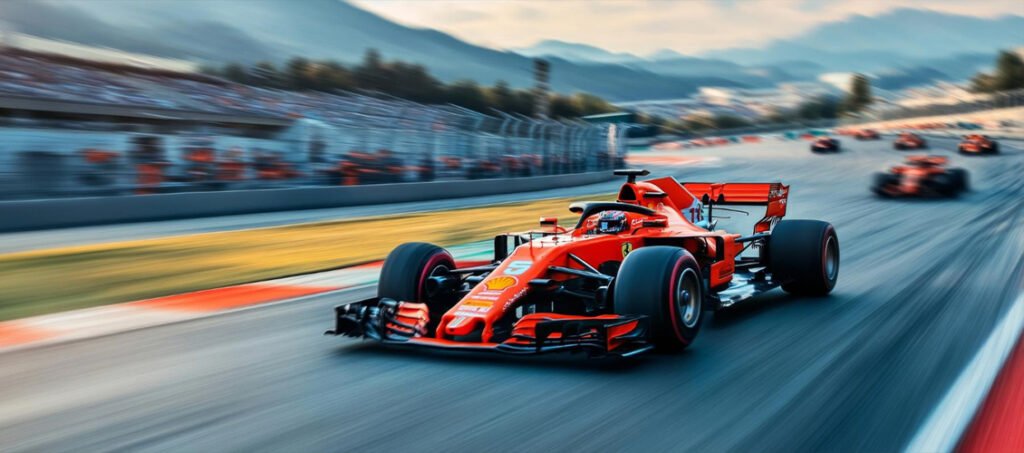

Formula 1 has entered a major new chapter in 2026. The 2026 F1 rules have introduced a completely redesigned generation of cars, new power-unit technology, active aerodynamics and changes aimed at making racing closer and more competitive. The result is a Formula 1 that looks different, sounds different and requires teams and drivers to rethink how they approach a Grand Prix.
The regulations were created around several key objectives: making the cars smaller and lighter, increasing electrical power, improving overtaking opportunities and moving the championship towards more sustainable technology.
2026 F1 Rules: Smaller and Lighter Cars
One of the most noticeable changes is the size of the cars.
The 2026 regulations reduce the maximum wheelbase to 3.4 metres, while the overall width has been reduced to 1.9 metres. Minimum weight has also fallen to 768kg, compared with 800kg under the previous regulations. The tyres remain 18-inch units, but the front and rear tyres are narrower.
These changes are intended to produce cars that are more agile and easier to manoeuvre.
For drivers, that could make a significant difference on circuits where precision and responsiveness matter more than outright aerodynamic performance. The FIA also reported positive initial driver feedback on the reduced dimensions and weight, including improved ride quality and stronger initial acceleration.
Active Aerodynamics Replaces Traditional DRS
Perhaps the most visually obvious technical change is the arrival of full-time active aerodynamics.
Instead of relying on the previous Drag Reduction System alone, the 2026 cars can dynamically adjust both their front and rear wings. On straights, the wings can move into a lower-drag configuration to improve speed. Through corners, they return to a configuration designed to generate greater downforce and grip.
This gives drivers a new tool to manage the balance between straight-line speed and cornering performance.
The change also alters the way overtaking works. The new system is combined with additional electrical energy strategies, meaning drivers and engineers have more variables to consider when attacking or defending.
A Much More Powerful Electric Element
The power unit has undergone one of the biggest transformations.
The familiar 1.6-litre V6 turbocharged internal-combustion engine remains, but the balance between petrol and electric power has changed significantly. The electrical component now produces up to 350kW, compared with 120kW from the previous hybrid system, while the internal-combustion engine output is reduced. The overall concept moves towards an approximately 50-50 split between combustion and electrical power.
The complicated MGU-H system has also been removed.
This makes the power unit simpler in some respects while placing much greater importance on energy recovery and battery management. Drivers now have to think strategically about when to deploy and recover electrical energy during a lap.
New Overtaking Strategies
The 2026 cars introduce new terminology and new tactical possibilities.
Drivers can use modes such as Boost, Recharge and Overtake, giving them greater control over how electrical energy is deployed. Overtake Mode provides an additional burst of electrical power when a driver is close enough to another car, creating another potential opportunity to attack.
This could make race strategy more dynamic.
Instead of simply following another car and waiting for a conventional DRS activation, drivers can potentially manage energy deployment, aerodynamic configuration and tyre performance together.
That places even greater importance on communication between the driver and race engineer.
Sustainable Fuel Becomes Part of the New Era
Sustainability is another important part of the 2026 regulations.
Formula 1 has moved to advanced sustainable fuels while maintaining the existing 1.6-litre V6 architecture. The FIA says the fuel is based on sustainable components that can include non-food biomass, renewable feedstocks of non-biological origin and municipal waste.
The goal is to demonstrate that high-performance motorsport can continue developing combustion technology while reducing its environmental impact.
This also strengthens the connection between Formula 1 research and future road-car technology.
More Than Just New Cars
The 2026 regulations are not simply a technical refresh. They change the relationship between driver, car and engineer.
Drivers must now manage electrical energy more actively, while teams have to balance aerodynamic efficiency, battery deployment, tyre performance and power-unit characteristics.
The FIA has also introduced tougher safety requirements, including stronger structures and revised crash-test demands.
At the same time, the smaller dimensions and reduced weight are intended to make the cars more agile and potentially improve the quality of racing.
What Does This Mean for Formula 1 Fans?
For fans, the biggest change may be that strategy becomes even more visible.
The terminology around active aero, Boost, Recharge and Overtake gives viewers new factors to follow during a race. A driver may have to decide whether to use electrical energy immediately to attack another car or save it for a later part of the lap.
That creates another layer of tactical competition.
The new cars also represent an important shift in Formula 1’s technological direction. The championship is putting greater emphasis on electrification, efficiency and sustainable fuel while retaining the drama of high-performance combustion engines.
A New Chapter for Motorsport
The 2026 regulations represent one of the most significant technical changes Formula 1 has introduced in years. Smaller cars, active aerodynamics, a much stronger electrical component and sustainable fuel have changed the engineering challenge from the ground up.
Whether these changes ultimately produce more overtaking and closer championship battles will depend on how teams develop their cars throughout the season. But one thing is already clear: Formula 1 has entered a new technological era.
For fans following the latest developments in motorsport and automotive news, the 2026 season offers an unusually interesting opportunity to watch an entirely new set of technical ideas evolve from one race to the next.