


Dubai’s summer heat can be tough on both drivers and vehicles. During the hottest months, car problems in extreme heat can become more common, as your car’s engine, battery, tyres, air-conditioning system and fluids all have to work harder. Regular maintenance is therefore essential to avoid unexpected breakdowns and keep your journeys safe.
Dubai’s Roads and Transport Authority (RTA) specifically recommends regular vehicle inspections during summer, including checks of tyres, coolant, engine oil, brakes, air conditioning, batteries and possible oil or water leaks.
Here are some of the most common car problems caused or worsened by extreme heat and what you can do to prevent them.
1. Engine Overheating
One of the biggest concerns when driving in Dubai’s summer heat is engine overheating. The cooling system has to work continuously to keep the engine operating within a safe temperature range. Low coolant levels, leaks, a damaged radiator, faulty thermostat or cooling fan can make overheating more likely.
How to avoid it:
- Check the coolant level regularly.
- Look for signs of coolant or water leaks.
- Have the radiator and cooling system inspected before long journeys.
- Never ignore an overheating warning light or rising temperature gauge.
If your vehicle begins overheating while driving, move to a safe location and allow the engine to cool down rather than continuing to drive.
2. Battery Failure
High temperatures can put considerable stress on a car battery. Heat can accelerate battery deterioration, reducing its overall lifespan and increasing the possibility of a sudden failure.
A weak battery may show signs such as slow engine cranking, dim lights or difficulty starting the vehicle. However, batteries can also fail without much warning.
How to avoid it:
Have your battery tested regularly, particularly if it is several years old. Keep the battery terminals clean and ensure the charging system is working correctly. Parking in shaded areas whenever possible can also help reduce prolonged exposure to extreme heat.
3. Tyre Damage and Blowouts
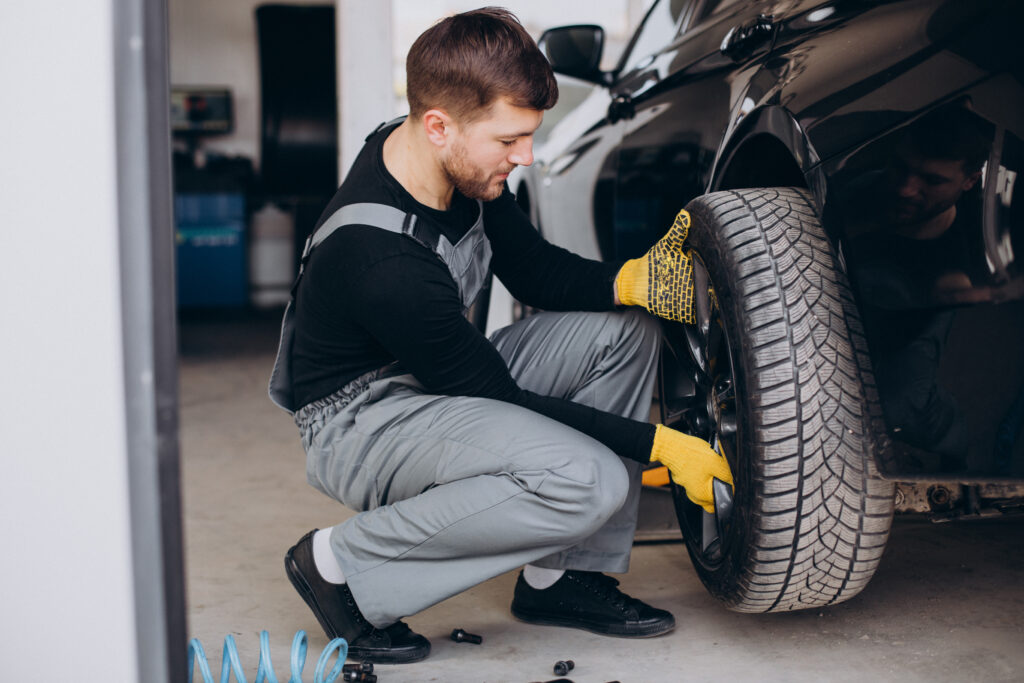
Tyres are another major concern during Dubai summers. Extreme heat combined with incorrect tyre pressure, worn tread or damaged sidewalls can increase the risk of tyre-related problems. RTA recommends checking tyre pressure and inspecting tyres for cracks or structural damage.
How to avoid it:
- Check tyre pressure regularly when the tyres are cold.
- Follow the pressure recommended by your vehicle manufacturer.
- Inspect tyres for cracks, bulges and uneven wear.
- Replace tyres that are worn, damaged or past their recommended service life.
Don’t judge tyre condition by appearance alone. A professional inspection can identify damage that may not be immediately visible.
4. Air-Conditioning Problems
In Dubai, a functioning air-conditioning system is more than a comfort feature. It is essential for a comfortable and safer driving environment during extreme heat.
If the AC is blowing warm air, cooling slowly or producing unusual smells, there may be an issue with the refrigerant, compressor, condenser, filters or other components.
How to avoid it:
Get the AC system inspected before peak summer. Replace clogged cabin filters and address unusual noises or weak cooling early. A small AC problem can become more expensive if ignored.
5. Fluid Levels Can Drop or Deteriorate
Engine oil, coolant, brake fluid and other vehicle fluids play an important role in keeping your car running safely. High temperatures can put additional demands on these systems.
RTA advises drivers to check engine oil and radiator coolant levels and to look for signs of leaks before driving.
How to avoid it:
Check fluid levels according to your vehicle manufacturer’s recommendations and have them inspected during routine servicing. Never open a hot radiator or coolant reservoir, as the system may be under pressure.
6. Brake Performance Issues
Dubai’s hot roads and frequent stop-and-go traffic can place additional stress on braking components. Worn brake pads, damaged components or neglected brake maintenance can affect braking performance.
Watch for squealing, grinding, vibrations or changes in pedal feel.
How to avoid it:
Have your brakes inspected regularly and replace worn components promptly. RTA also includes brake-system inspections among its summer vehicle safety recommendations.
7. Protect Your Car When Parked
Extreme heat does not only affect mechanical components. Prolonged exposure to direct sunlight can also affect the interior, dashboard, paint and other parts of the vehicle.
Whenever possible, use covered or shaded parking. A sunshade can also help reduce heat build-up inside the cabin.
Most importantly, never leave children unattended inside a parked vehicle. RTA warns that dangerous heat can build up inside a closed vehicle within minutes, even when the air conditioning is running.
Prepare Your Car Before Summer Driving
The best way to deal with heat-related car problems is to prevent them before they happen. Before undertaking long drives around Dubai or travelling between emirates, take a few minutes to check your tyres, oil, coolant, battery, brakes, lights and AC.
A quick inspection can help identify small problems before they turn into expensive repairs or roadside breakdowns.
Final Thoughts
Dubai’s extreme summer conditions can be demanding on any vehicle, but regular maintenance can significantly reduce the risk of unexpected problems. Keeping your tyres properly inflated, monitoring fluid levels, maintaining the cooling and AC systems, checking the battery and servicing your brakes can help keep your car reliable throughout the hottest months.
If you notice warning lights, unusual noises, overheating, weak AC performance or other changes in your vehicle, don’t wait for the problem to become serious. Getting it checked early is often the simplest way to stay safe and avoid costly repairs.