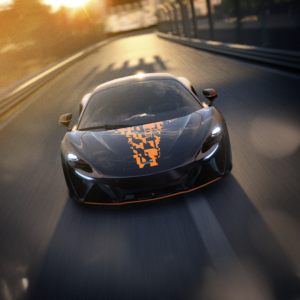

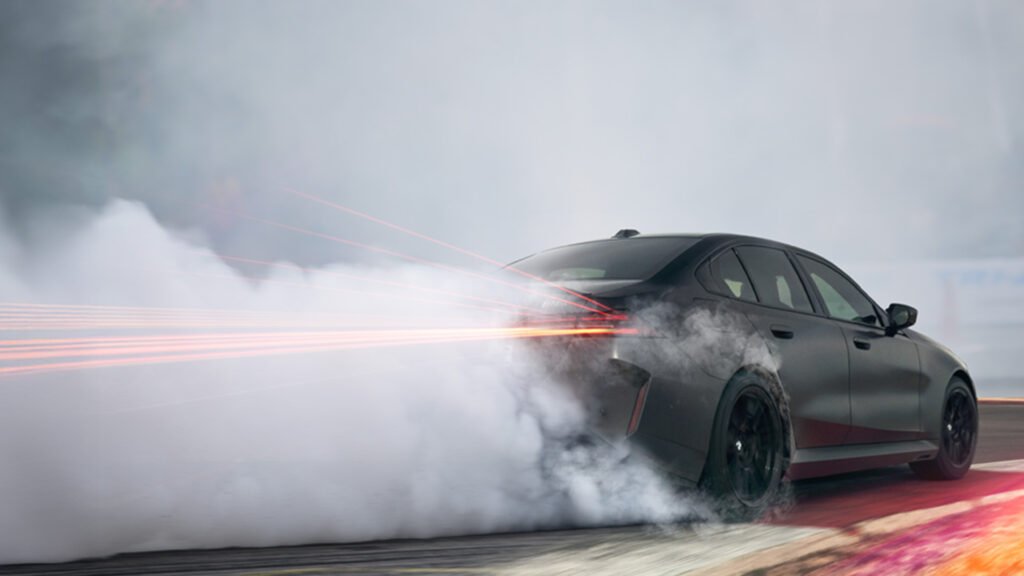

BMW refuses to accept the full electric transition without a fight. Therefore, it launches BMW M Ignite — a genuine engineering answer to tightening emissions regulations. Furthermore, this technology enters production from mid-2026 inside M2, M3 and M4 engines. Based on this, this announcement ranks among the most important performance engine news of the decade. So, every performance car enthusiast across the Middle East needs to understand what BMW just built. Ultimately, BMW M Ignite sends one clear message: combustion engines have not said their last word yet.
Why BMW M Ignite and Why Now?
BMW’s M division faces growing pressure from European emissions regulations. Therefore, Euro 7 rules enter force in late 2026 with stricter targets than anything before them. Furthermore, abandoning combustion entirely means sacrificing the mechanical character and sound that built M’s reputation across decades.
Based on this, BMW M Ignite is not simply a technical upgrade. It is a philosophical declaration. Consequently, performance, efficiency and environmental compliance can coexist inside a single engine.
How BMW M Ignite Works
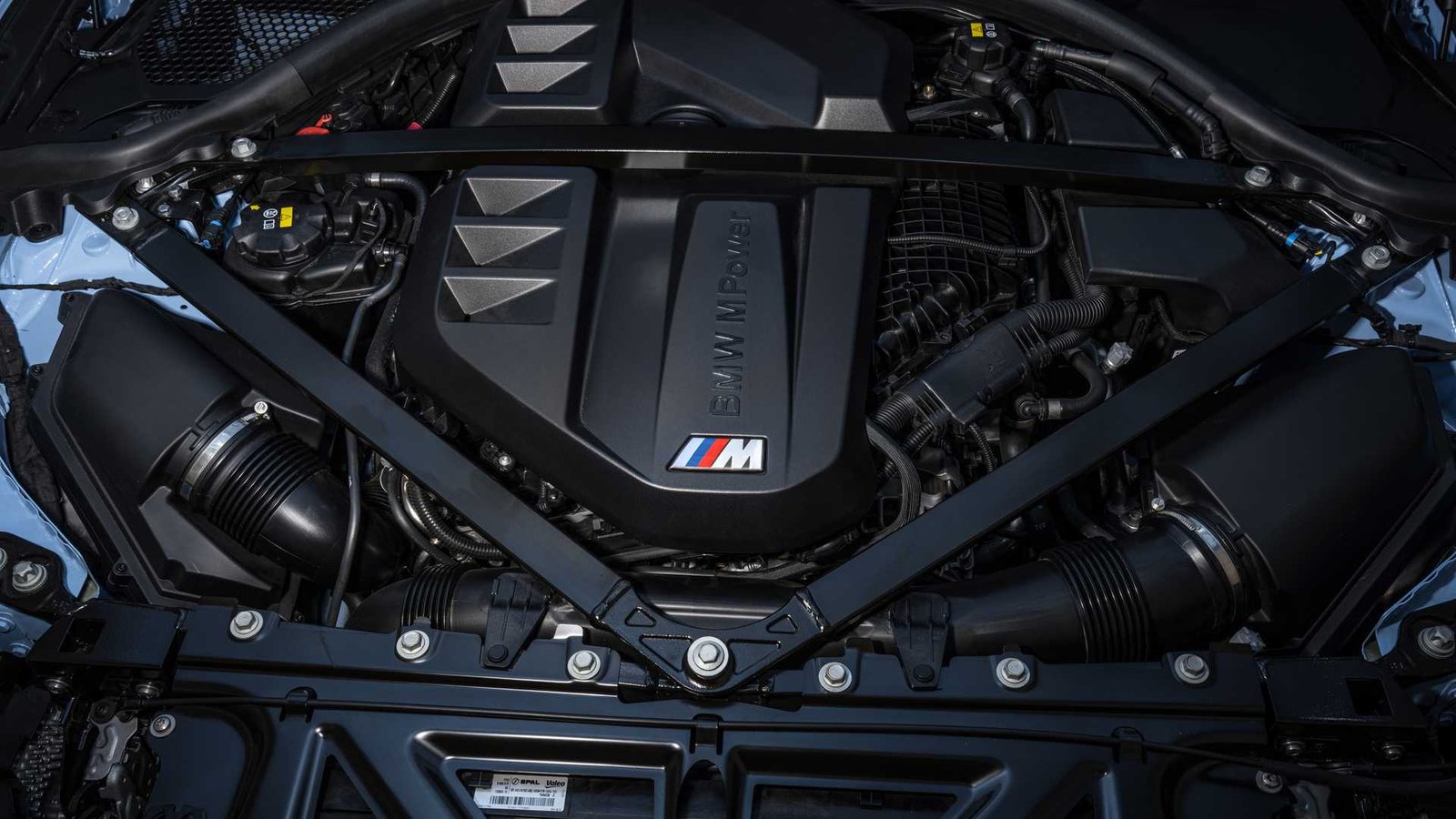
BMW M Ignite relies on a Pre-Chamber Combustion concept borrowed directly from motorsport. Therefore, BMW adds a small secondary combustion chamber inside the cylinder head connected to the main chamber through dedicated channels. Furthermore, this small chamber carries its own dedicated spark plug — meaning two independent ignition systems operate inside the same engine.
Based on this, the pre-chamber fires first. It sends high-speed flame jets into the main combustion chamber. Consequently, combustion becomes faster, more uniform and significantly more efficient than any conventional single-spark system.
When Does the Pre-Chamber Activate?
The pre-chamber in BMW M Ignite does not operate continuously — it activates selectively and intelligently. Therefore, at low and medium speeds the engine runs conventionally through the main combustion chamber only. Furthermore, at high load and high RPM the pre-chamber activates automatically without any driver input.
Based on this, the system also reduces engine knock — one of the biggest enemies of high-performance engines under full throttle. Consequently, the driver simply experiences better performance and efficiency while everything intelligent happens silently under the bonnet.
The Full Technical Benefits
BMW M Ignite delivers a set of measurable and direct improvements across the powertrain. Therefore, exhaust temperatures drop meaningfully which reduces thermal stress on the engine and extends operational life. Furthermore, more efficient combustion delivers a noticeable reduction in fuel consumption during hard driving.
Based on this, drivers get longer performance sessions from the same fuel tank — a real benefit on track days. Consequently, these results align directly with Euro 7 requirements entering force at the end of 2026.
What Else Comes With M Ignite?
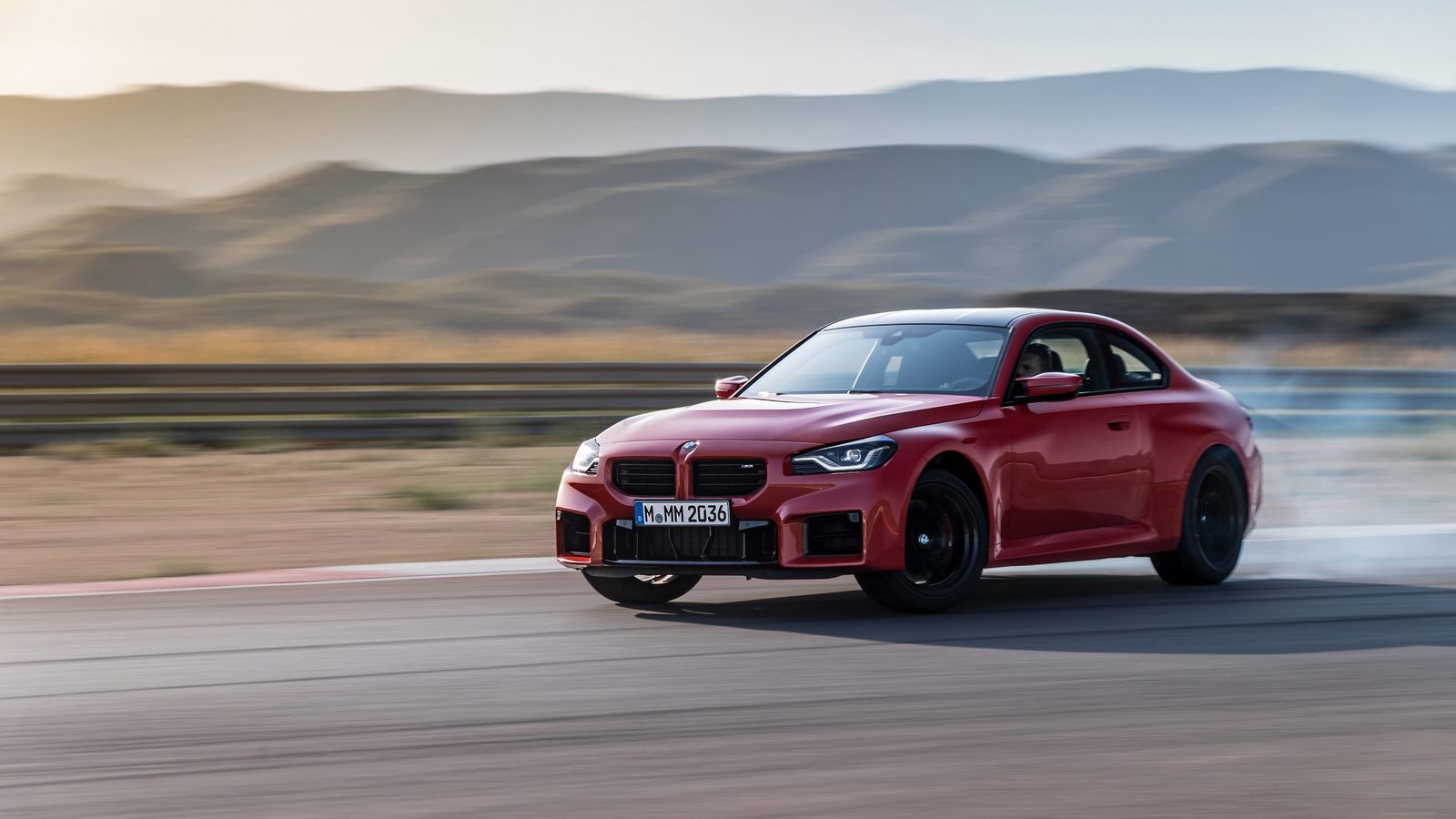
BMW M Ignite does not arrive alone — it comes as part of a comprehensive engine update package. Therefore, the inline-six engines also receive higher compression ratios for direct improvements to combustion cycle efficiency. Furthermore, new turbochargers with Variable Turbine Geometry improve throttle response across a wider RPM range.
Based on this, the updates also include refined combustion management software and an improved cooling system. Horsepower figures stay close to the current generation because the focus here is efficiency not raw power gains. Consequently, anyone buying an M3 or M4 after July 2026 gets a smarter engine — not just a more powerful one.
Launch Timeline: From July 2026
BMW M Ignite rolls out across the M lineup on a clear and confirmed schedule. Therefore, all M3 and M4 variants begin production with the new technology from July 2026. Furthermore, M2 production follows just one month later in August 2026.
Based on this, BMW confirms overall performance levels stay comparable to current models with clear improvements in throttle response and thermal efficiency. Consequently, the transition happens seamlessly for buyers without any disruption to the driving experience they already expect from M cars. For the latest performance car and technology news across the Middle East, follow GearsME. For full official details, visit the official BMW website.
The Bigger Picture: BMW vs the Electric Wave
BMW is not alone in resisting full electrification of its performance division. Therefore, several manufacturers continue investing in combustion technology improvements rather than abandoning internal combustion entirely. Furthermore, the real engineering challenge in 2026 is no longer building a powerful engine — it is making that engine clean enough to survive in a world of ever-stricter regulations.
Based on this, BMW M Ignite represents the most articulate answer to that challenge from any performance brand so far. Consequently, while others pivot fully to electric BMW stands firm and says something entirely different to the industry.
Final Thoughts: Combustion Is Not Finished
Ultimately, BMW M Ignite proves that making a powerful engine is no longer the primary challenge. Furthermore, the real test is making that engine cleaner, more efficient and capable of surviving inside an increasingly regulated world. Consequently, while many brands go fully electric BMW proves with BMW M Ignite that the combustion engine still has significant chapters left to write.