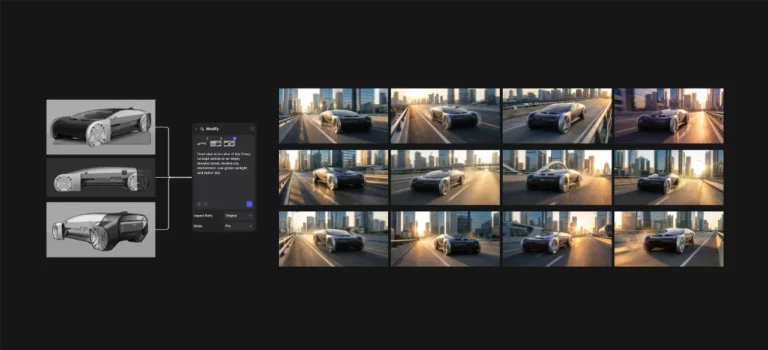

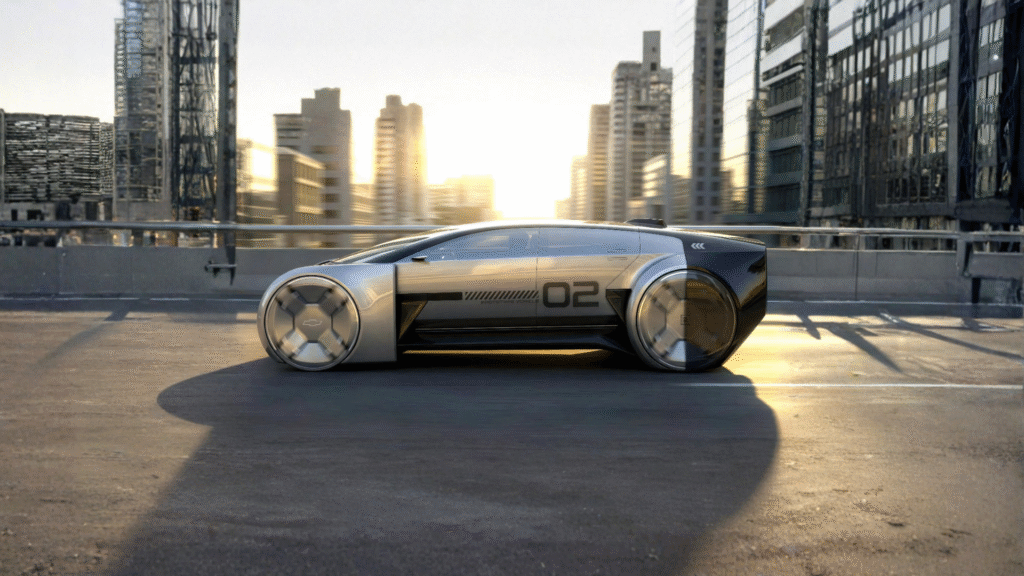

The automotive industry is evolving rapidly, and AI in car design is leading this transformation. General Motors has started integrating advanced AI tools into its design process. As a result, innovation now relies more on data-driven insights rather than traditional methods alone.
Accelerating the Design Process with AI
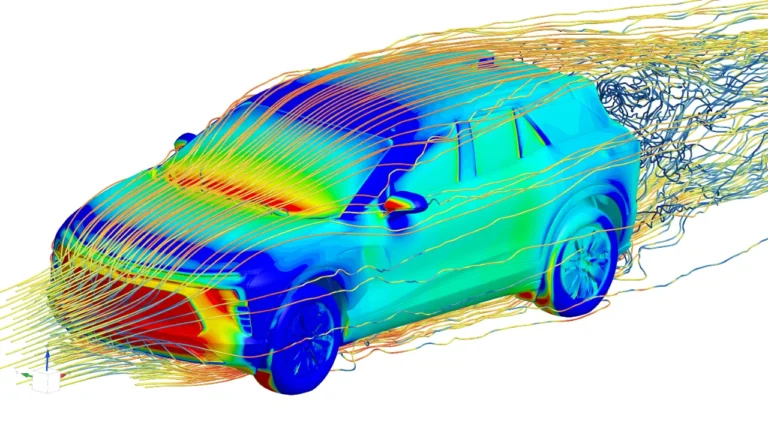
In the past, vehicle design required long cycles and repeated trial and error. Today, AI in car design allows engineers and designers to test multiple concepts in a fraction of the time. Moreover, these tools can generate creative design suggestions that may not be immediately obvious to humans.
In addition, AI reduces development costs by minimizing the need for physical prototypes. Therefore, companies can streamline production while maintaining high standards of quality.
Enhancing Performance and User Experience
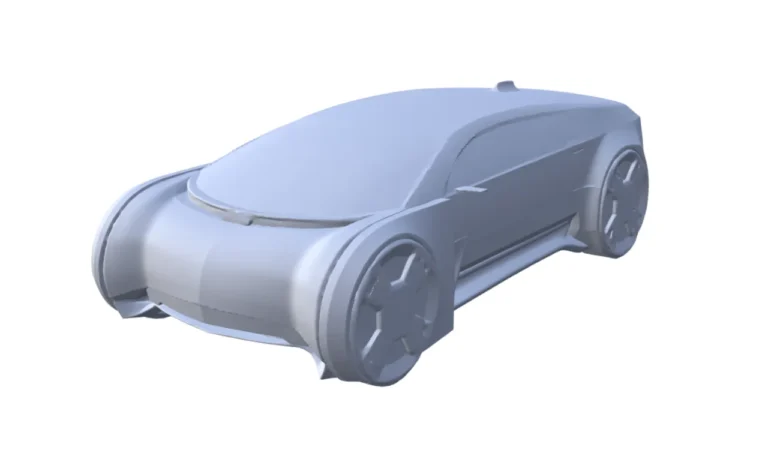
AI in car design is not limited to aesthetics. It also plays a crucial role in improving vehicle performance. For example, intelligent systems can analyze airflow and recommend aerodynamic enhancements.
On the other hand, AI is reshaping the in-car experience. Designers can now tailor interiors based on driver behavior and preferences. Consequently, vehicles become more intuitive, comfortable, and personalized.
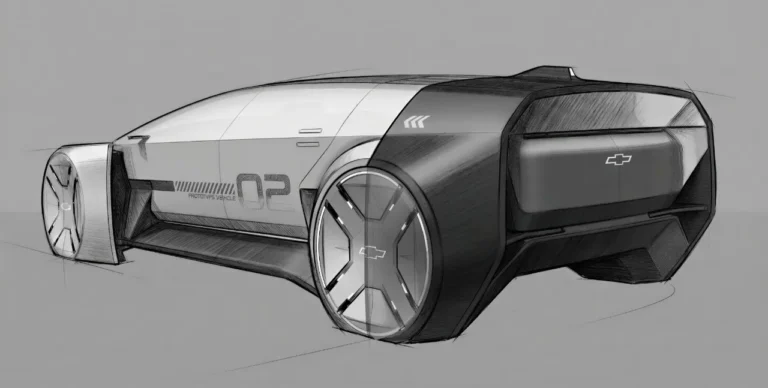
Data-Driven Design Decisions
General Motors relies heavily on data analytics to guide its design strategies. Instead of making assumptions, teams use predictive models to refine every detail. This approach ensures better outcomes and higher efficiency.
Looking ahead, AI in car design will become essential across all stages of vehicle development. As technology continues to evolve, automakers will deliver smarter, more efficient, and highly optimized vehicles.
Ultimately, AI is not here to replace designers. Instead, it empowers them to push creative boundaries further. This marks the beginning of a new era in the automotive world, where technology and creativity work hand in hand.