

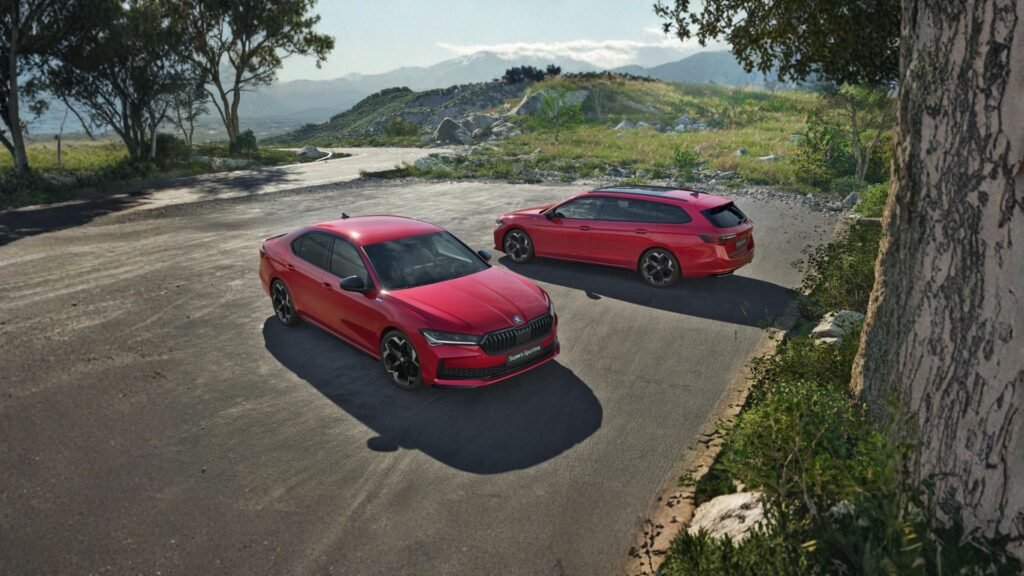

The Skoda TSI engine solves a problem every GCC driver knows. Therefore, long highway runs, mountain climbs and confident overtaking all need torque — not peak horsepower. Furthermore, the TSI combines turbocharging with direct fuel injection. Based on this, it delivers strong pulling power from as low as 1,500rpm. So, whether cruising between Dubai and Abu Dhabi or climbing into Hatta the Skoda TSI engine is built for exactly this. Ultimately, usable torque is the real measure of performance.
Why Summer Road Trips Make Torque More Important
Summer 2026 brings a wave of GCC road travel. Therefore, Saudi Arabia’s “Summer Our Way”, Qatar’s “Hala Summer” and the UAE’s “Make it a Dubai Summer” all encourage road exploration. Furthermore, longer journeys between cities, coastal routes and mountains place specific demands on an engine. Based on this, sustained highway cruising, roll-on overtaking and steady climbing all require strong low and mid-range torque.
Consequently, peak horsepower numbers mean very little in these conditions. So, the engine that performs best on a summer GCC road trip pulls strongly at the speeds drivers actually use every day.
What Makes the Skoda TSI Engine Different
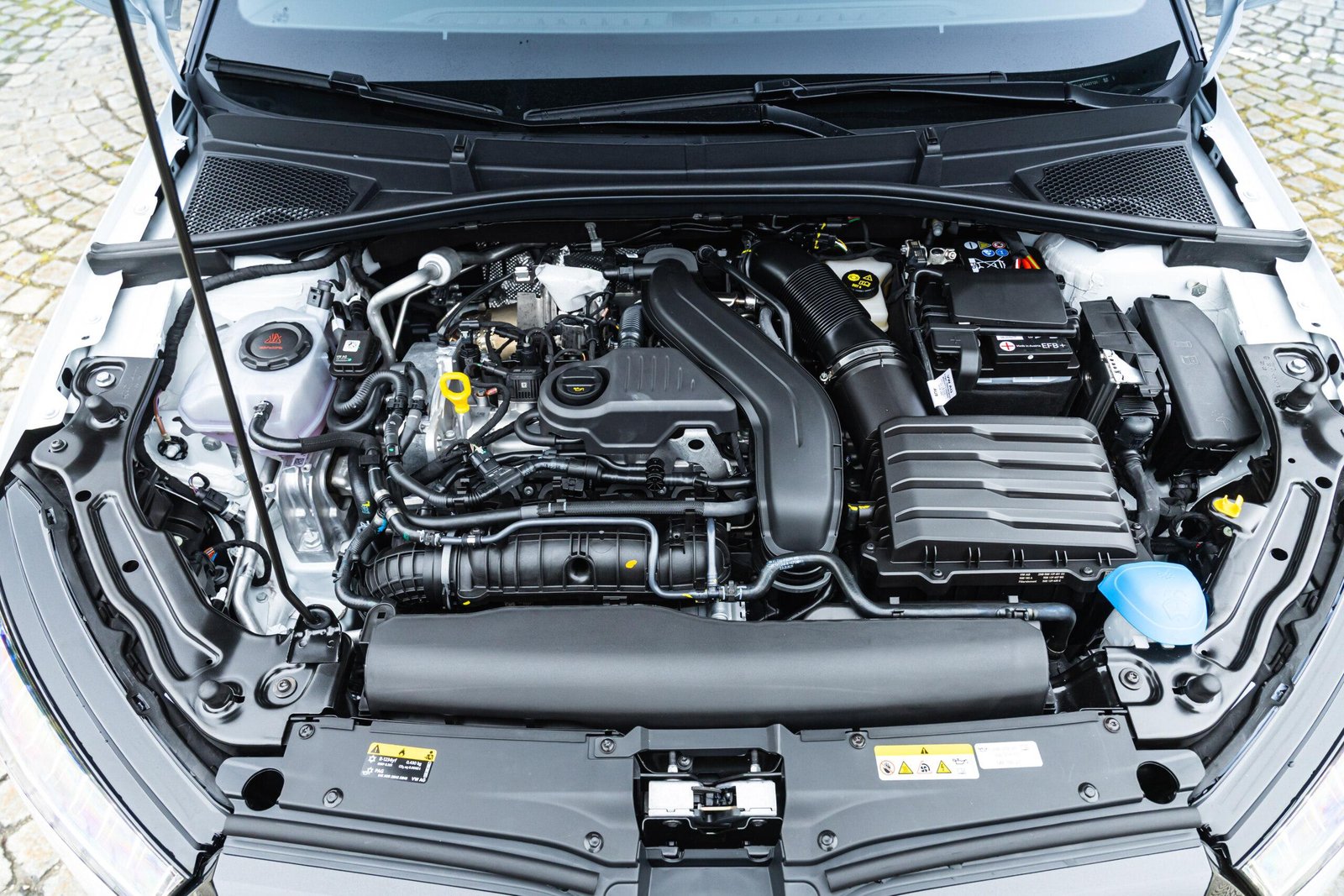
The Skoda TSI engine combines two core technologies in one package. Therefore, turbocharging and direct fuel injection work together to produce strong torque from very low engine speeds. Furthermore, most TSI engines build peak torque from around 1,500rpm. Based on this, they hold it through to 3,500-4,000rpm.
Consequently, this wide torque plateau means fewer unnecessary downshifts. Additionally, smoother acceleration from cruising speed and more relaxed motorway driving follow naturally. So, drivers get the performance they need without working the engine hard.
Turbocharging: Smaller Engine, Stronger Response
The core principle of the Skoda TSI engine is downsizing. Therefore, the turbocharger uses exhaust energy to force more air into the engine. Furthermore, this produces more torque when required without the fuel penalty of a larger engine. Based on this, a compact TSI delivers the response of much bigger naturally aspirated units.
Consequently, the engineering progress here is remarkable. A naturally aspirated 1.0-litre petrol from the early 2000s produced around 50-60 horsepower. Additionally, Skoda’s current 1.0-litre TSI produces 115 horsepower from the same displacement. So, it is lighter, cleaner and more fuel efficient at the same time.
Direct Fuel Injection: Precision That Changes Everything
Direct fuel injection is the second half of the Skoda TSI engine formula. Therefore, fuel injects directly into the combustion chamber at up to 350 bar. Furthermore, traditional port-injection systems operate at just 3-5 bar. Based on this, TSI is roughly 100 times more precise in fuel delivery.
Consequently, high-pressure injection creates a fine fuel mist that burns more evenly. Additionally, the system adjusts fuel timing and quantity in real time. So, the engine feels crisp and responsive rather than lazy — which matters in GCC traffic as much as on open highway.
Engine Architecture: The Details Behind the Response
The Skoda TSI engine adds supporting technologies that most drivers never notice — but always feel. Therefore, an integrated exhaust manifold reduces the distance exhaust gases travel to the turbocharger. Furthermore, this helps the turbo respond more quickly at lower engine speeds. Based on this, boost builds before most drivers even sense they need it.
Consequently, variable valve timing on both intake and exhaust camshafts helps the engine adapt across conditions. At lighter loads it improves efficiency. Additionally, under stronger acceleration it supports airflow and combustion simultaneously. So, the engine feels smooth and composed across all GCC driving conditions.
Efficiency Numbers That GCC Drivers Actually Care About
The Skoda TSI engine delivers a real fuel economy advantage on longer summer trips. Therefore, compared with equivalent naturally aspirated engines TSI uses around 20% less fuel. Furthermore, it produces around 15% lower CO₂ emissions. Based on this, the gains come from how the engine operates — not simply from being smaller.
Consequently, reduced displacement lowers mass and internal friction. Additionally, turbocharging supplies extra air only when required and direct injection delivers fuel precisely. So, performance and efficiency are the same objective — not separate ones. For the latest engine and car news across the GCC follow GearsME. For official Skoda TSI specs visit the official Skoda Middle East website.
More Than Twenty Years of TSI Development
The Skoda TSI engine is not new technology rushed to market. Therefore, TSI has been developed and refined for more than 20 years. Furthermore, over that period it became central to Skoda’s petrol engine strategy. Based on this, drivers benefit from decades of real-world refinement.
Consequently, its strength lies in balance. Strong low and mid-range torque, intelligent fuel delivery and reduced engine mass all combine here. So, usable torque has been TSI’s speciality since before most current drivers held a licence.
Why the Skoda TSI Engine Suits GCC Driving Specifically
The Skoda TSI engine character maps directly onto Gulf road demands. Therefore, sustained highway cruising requires an engine that stays composed for long periods. Furthermore, urban driving in Dubai, Riyadh and Doha requires strong low-speed response without constant gear changes. Based on this, mountain routes like Hatta and Al Ain need confident pulling power on inclines.
Consequently, the torque plateau from 1,500rpm to 4,000rpm covers all these scenarios. Additionally, the efficiency advantage matters more when summer road trips cover 500km or more in one day. So, performance, efficiency and refinement make the Skoda TSI engine a smart choice for Gulf drivers who use their cars seriously.
Torque Is the Honest Performance Number
Ultimately, the Skoda TSI engine proves the horsepower number tells only part of the story. Therefore, 115 horsepower from a 1.0-litre engine that builds torque from 1,500rpm and uses 20% less fuel is a complete engineering achievement. Furthermore, two decades of refinement and direct injection at 350 bar create an engine that simply works better in real GCC conditions. So, the next time you plan a Gulf summer road trip — ask where the torque arrives. That is the honest question.