

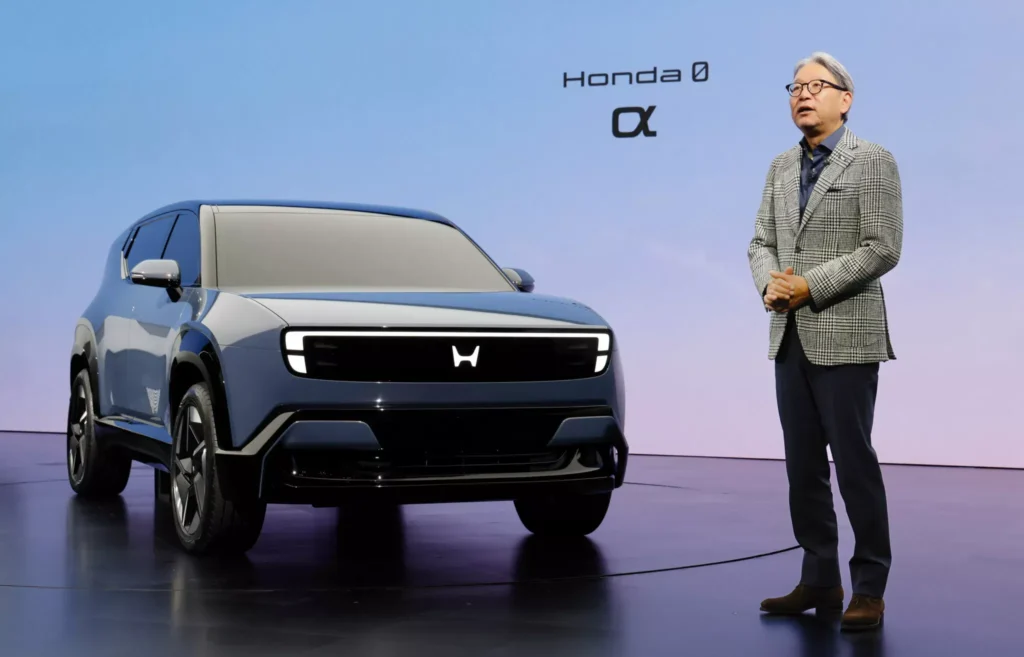

Honda has announced a major Honda R&D restructure China initiative as part of a broader strategy to accelerate vehicle development and respond to rising competition from Chinese automakers. The move reflects the rapid transformation of the global automotive industry, especially in electric vehicles, software integration, and digital mobility technologies.
In recent years, Chinese car manufacturers have significantly increased their pace of innovation. As a result, Honda is reorganizing its research and development operations to improve efficiency, shorten development cycles, and respond faster to market demands.
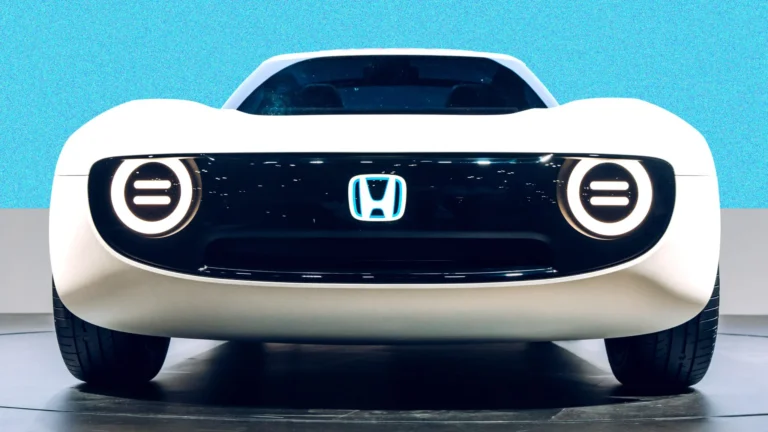
Why Honda R&D Restructure China Is Happening Now
For several years, Honda operated with a structure that separated production vehicle development from advanced technology research. Initially, this approach was designed to improve focus and efficiency inside the company.
However, the automotive landscape has changed dramatically. Chinese manufacturers are now launching new models faster than many global competitors. In addition, they offer advanced infotainment systems, smart driving technologies, and software-driven features that attract modern consumers.
Therefore, Honda decided to implement the Honda R&D restructure China strategy by integrating multiple development teams under a unified management structure. This reorganization should help accelerate decision-making and reduce the time required to bring new vehicles to market.
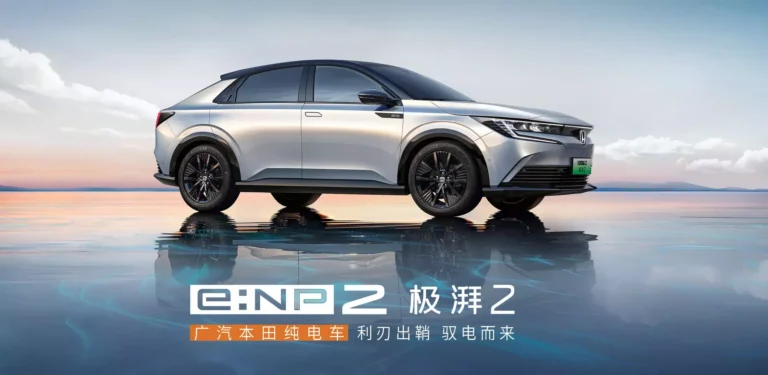
How the Honda R&D Restructure China Will Impact Vehicle Development
Under the new structure, several development divisions will be consolidated within Honda R&D Co., the company’s main research and engineering arm. As a result, vehicle development will become more integrated across design, engineering, and software teams.
At the same time, engineers will collaborate more closely with planning and production teams. Consequently, Honda expects to shorten the time between concept development and vehicle launch.
Moreover, the Honda R&D restructure China will strengthen Honda’s ability to develop electric vehicles and smart mobility technologies. This capability is essential as China continues to lead global EV adoption.
Chinese Automakers Are Reshaping the Industry
China is currently the largest automotive market in the world. Furthermore, it has become a global hub for electric vehicle innovation and automotive software development.
Companies such as BYD, NIO, and XPeng are expanding rapidly. Because of this, traditional global automakers must rethink their strategies.
In response, the Honda R&D restructure China initiative aims to restore Honda’s competitiveness by improving development speed and technological innovation. Without these improvements, competing with fast-growing Chinese manufacturers would become increasingly difficult.

What This Means for Honda’s Future
The Honda R&D restructure China plan represents more than just an internal organizational change. Instead, it signals a broader shift in how Honda approaches vehicle development in the era of electrification and digital mobility.
With a more agile development structure, Honda aims to accelerate innovation and introduce new models more quickly. In addition, the company intends to strengthen its position in key markets, particularly China.
Ultimately, the restructuring highlights a new reality in the automotive industry. Success is no longer defined only by engine performance or design. Instead, it increasingly depends on software, technology integration, and the ability to innovate quickly.