


Luxury Car Deliveries in the Middle East Face Major Disruption
Luxury car deliveries in the Middle East are currently facing serious disruption. Leading brands including Ferrari, Bentley, and Maserati have either paused or reduced shipments across the region. This shift comes as geopolitical tensions continue to escalate, directly impacting global logistics and supply chains.
Regional Tensions Disrupt Key Shipping Routes
The situation linked to Iran has increased risks across vital maritime routes, especially the Strait of Hormuz. As a result, shipping operations have become more complex and more expensive. Consequently, automakers now face growing challenges in maintaining steady delivery flows to the Middle East.
Ferrari Maintains Limited Deliveries via Air Freight
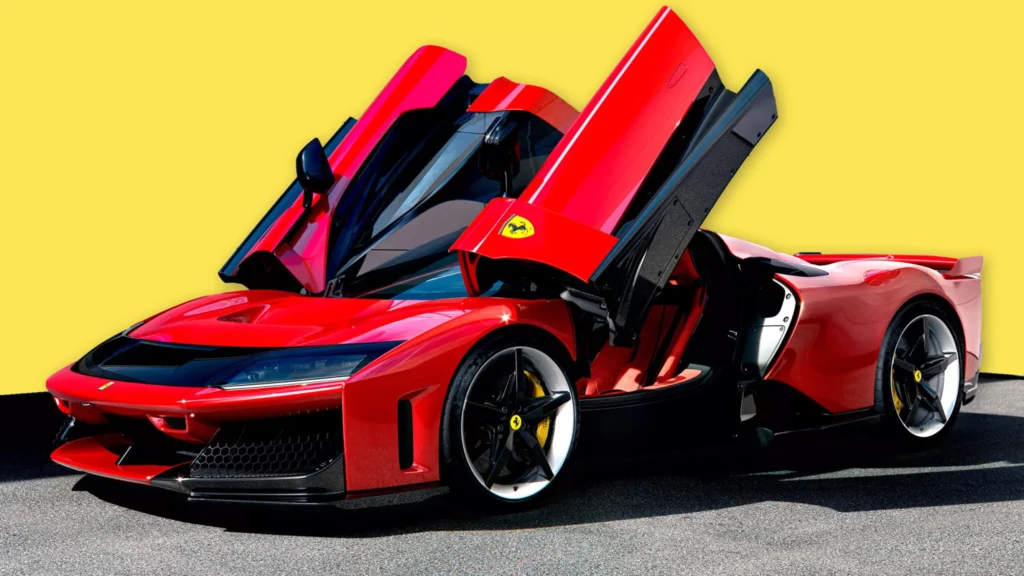
Ferrari has reduced its delivery volumes but continues to operate on a limited scale using air freight. Although this approach allows the brand to maintain a presence in the region, it significantly raises operational costs. Still, Ferrari remains committed to the Middle Eastern market due to its strong demand for high-performance vehicles.
Maserati Temporarily Halts All Shipments
Meanwhile, Maserati has fully suspended shipments to the Middle East. The company cited logistical difficulties and safety concerns as key reasons behind the decision. Deliveries will resume only when transport conditions improve and routes become secure again.
Bentley Pauses Deliveries as Demand Shifts
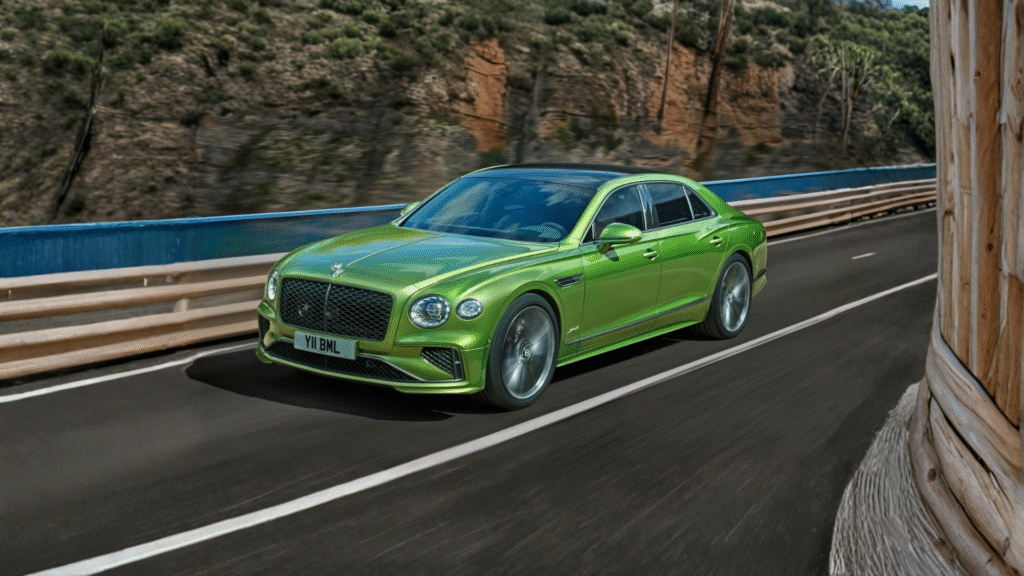
Bentley has also paused its deliveries in the region. In addition to logistical issues, the brand noted a shift in customer behavior. Buyers are becoming more cautious and are focusing less on luxury purchases during uncertain times.
Rising Costs Add Pressure on the Market
With sea freight disrupted, manufacturers are increasingly relying on air transport. However, air shipping can cost three to four times more than traditional methods. Therefore, both brands and customers may face higher prices and longer delivery timelines.
Uncertain Outlook for Luxury Car Market
The Middle East remains one of the most important markets for luxury and exotic vehicles. However, ongoing disruptions could affect sales in the short and medium term. As a result, automakers may need to adjust pricing strategies and supply chain operations to remain competitive.
The disruption of luxury car deliveries in the Middle East highlights how global tensions can impact even the most exclusive automotive segments. Ultimately, the future of the market will depend on regional stability and the recovery of global shipping networks.