


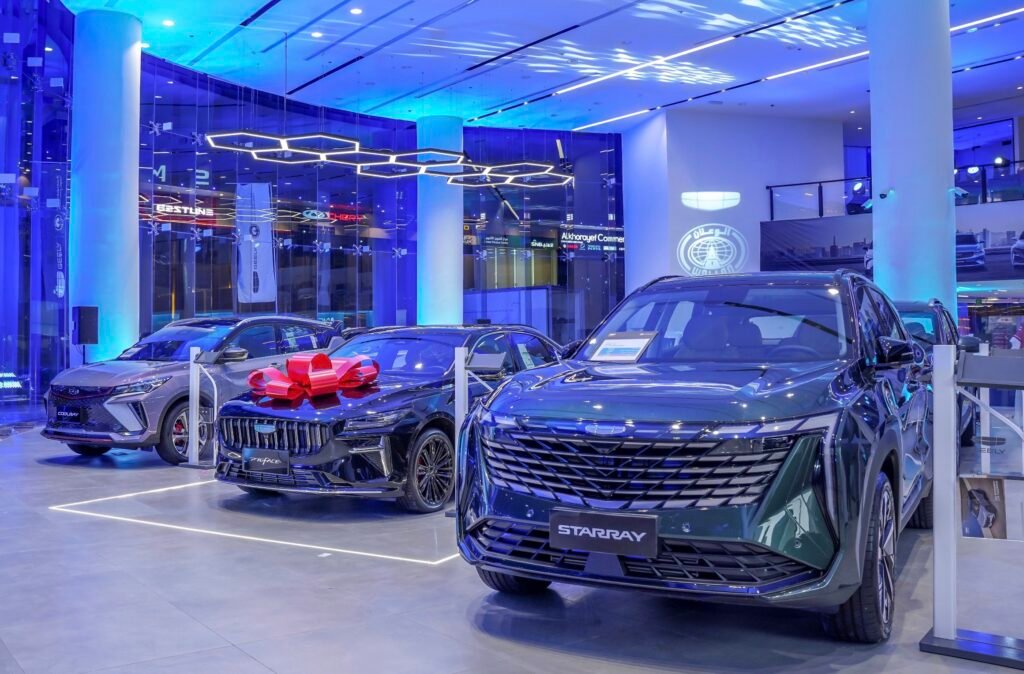

The GCC car market in 2026 is entering a sensitive phase. While there is no confirmed automotive crisis, rising geopolitical tensions in the Middle East and ongoing global supply chain pressure are creating uncertainty. As a result, many buyers are asking an important question: could car prices rise in the UAE and Saudi Arabia this year?
At the moment, the market remains stable. However, several risk factors deserve attention.
Middle East Tensions and GCC Car Imports
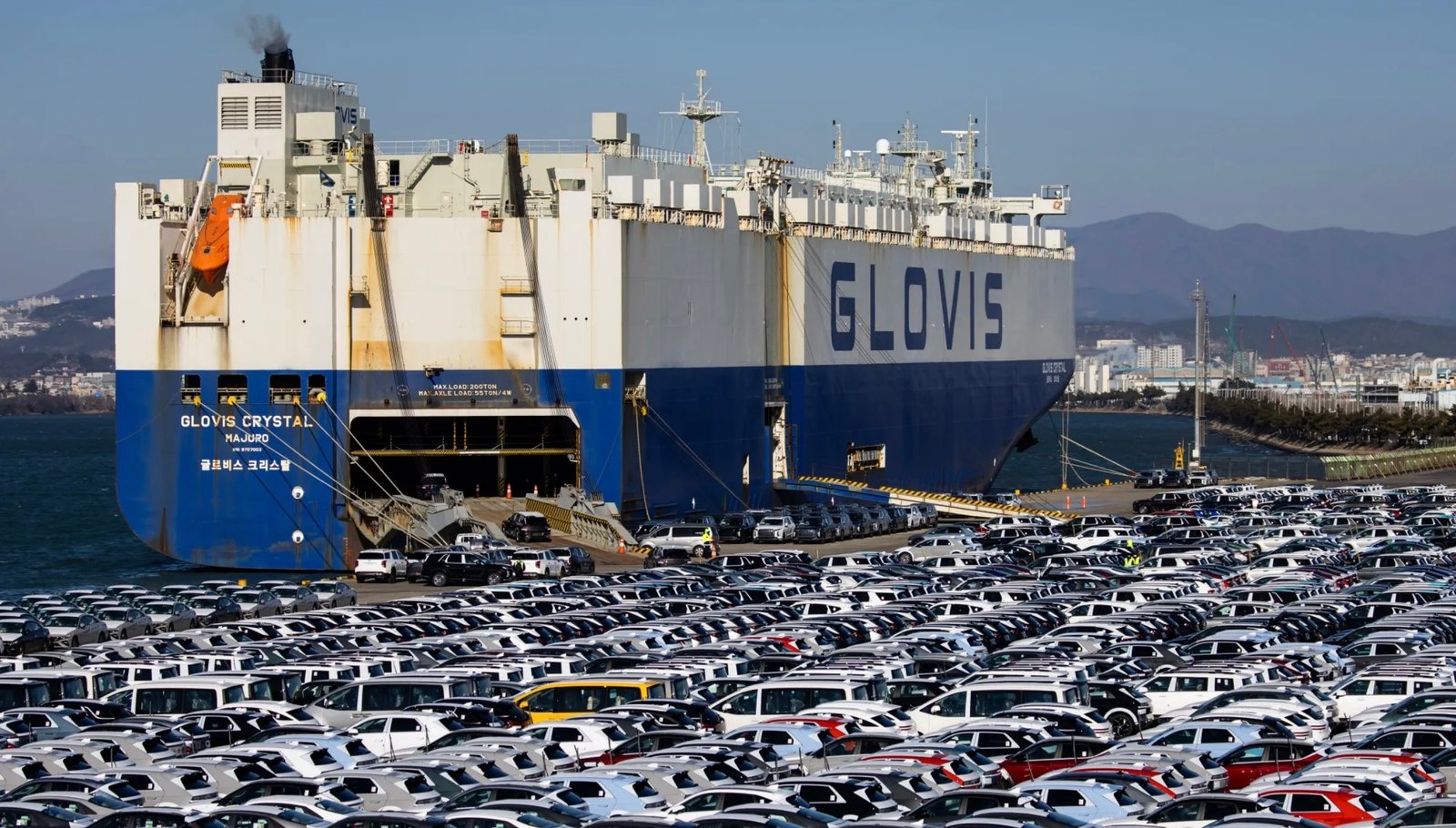
First, it is important to understand how dependent the UAE and Saudi Arabia are on vehicle imports. Most cars and spare parts arrive from Asia, Europe, and North America.
Moreover, key shipping routes such as the Strait of Hormuz play a central role in transporting vehicles and components to the region.
If geopolitical tensions increase, several outcomes may follow:
• Higher shipping and insurance costs
• Longer delivery times
• Lower dealer inventory
• Reduced discount flexibility
Even if no direct disruption occurs, elevated risk alone can increase logistics costs. Consequently, import-dependent markets like the GCC may feel indirect pressure.
Semiconductor and DRAM Chip Constraints in 2026
In addition to geopolitical concerns, the automotive industry continues to manage semiconductor supply challenges. In particular, DRAM memory chips remain essential for modern vehicles.
Today’s SUVs, hybrids, and electric vehicles rely heavily on advanced electronics. For example, they include:
• Large infotainment systems
• Digital instrument clusters
• Advanced driver assistance systems
• EV software platforms and connectivity systems
If chip supply tightens again, automakers may prioritize higher-margin trims. As a result, certain variants could become less available in UAE and Saudi showrooms.
Importantly, this does not automatically mean a full shortage. However, technology-heavy vehicles remain more exposed than basic models.

Could Delivery Delays Happen in 2026?
At this stage, there is no sign of a major supply chain breakdown. Nevertheless, selective delays are possible.
For example, buyers may experience:
• Longer wait times for specific trims
• Limited availability of fully loaded versions
• Reduced promotional campaigns
• Gradual price adjustments in certain segments
Luxury SUVs, premium crossovers, and high-spec hybrid or electric models are the most sensitive categories.
Meanwhile, dealers may increasingly promote in-stock units instead of factory-custom orders.
What This Means for Car Buyers in the UAE and Saudi Arabia
Overall, the GCC car market remains resilient. Demand is steady, and dealer networks are strong. However, pricing and availability could shift more quickly than in previous years.
Therefore, buyers planning a purchase in 2026 should adopt a strategic approach.
First, monitor dealer inventory regularly.
Second, confirm exact feature availability before placing an order.
Additionally, remain flexible regarding trims and optional packages.
Finally, stay informed about regional and global developments.
A Market Under Pressure, Not in Crisis
To be clear, the current environment is not a crisis. Instead, it represents a period of heightened sensitivity.
Global supply chains are interconnected. Consequently, even moderate disruptions can influence prices and delivery timelines in the GCC.
For car buyers in the UAE and Saudi Arabia, awareness and timing may be the most valuable tools in navigating the 2026 market.



This is really interesting, You’re a very skilled blogger. I’ve joined your feed and look forward to seeking more of your magnificent post. https://heosexhay.net/ Also, I’ve shared your site in my social networks!
Helpful resource for global vendor negotiations
Awesome! Its genuinely remarkable post, I have got much clear idea regarding from this post