

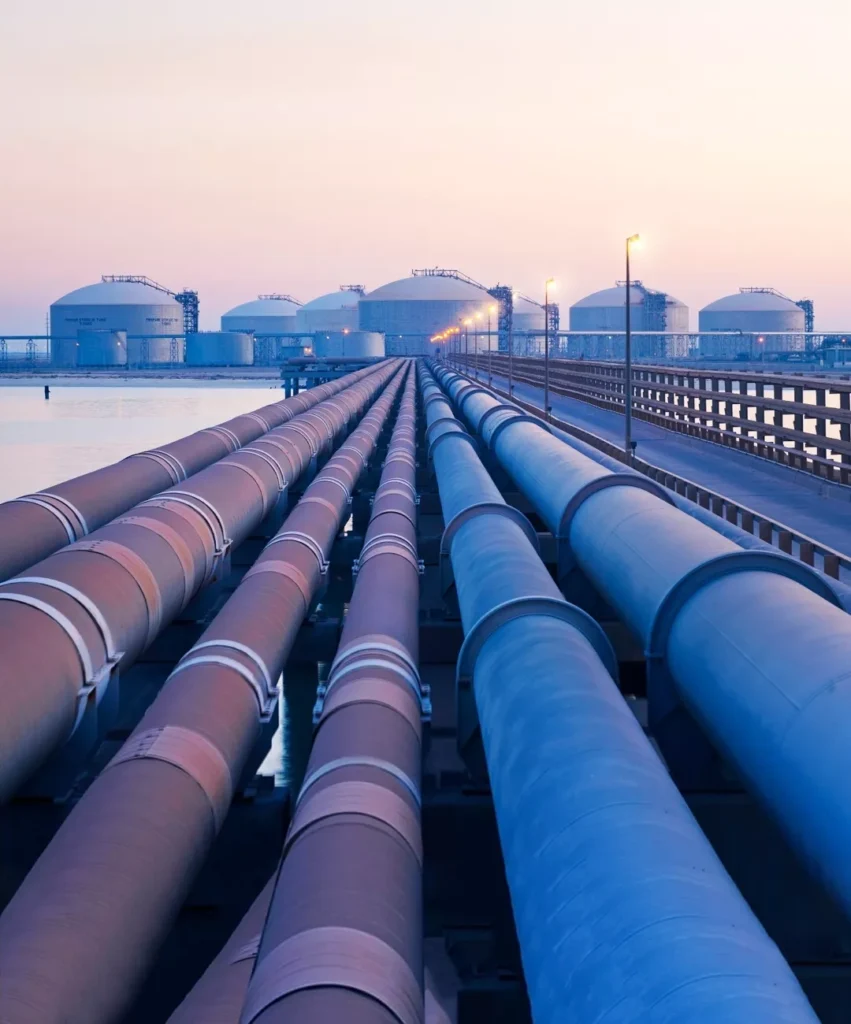

The global energy market is under pressure as the oil crisis disrupts supply and pushes fuel prices higher. Because of this situation, members of the International Energy Agency (IEA) decided to release 400 million barrels of oil from strategic reserves. The goal is to support supply and calm energy markets.
This move is the largest emergency oil release ever recorded. It is also the sixth time governments have used strategic reserves to stabilize the global oil market.
Oil Crisis Disrupts Global Oil Supply
The oil crisis is closely linked to problems in the Strait of Hormuz. This waterway is one of the most important oil routes in the world.
In 2025, about 20 million barrels of oil passed through the strait each day. That equals nearly 25% of global oil trade by sea.
However, tensions in the region have reduced tanker traffic. Today, oil flows are below 10% of normal levels.
Because of this disruption, several oil producers have reduced output. Exporting oil has become harder and more expensive.
Strategic Reserves Enter the Market
IEA member countries hold more than 1.2 billion barrels of emergency reserves. In addition, companies store another 600 million barrels under government rules.
Governments will release part of these reserves to support supply. However, the oil will enter the market slowly. Each country will decide how fast it releases its reserves.
Political developments related to the crisis can be followed here: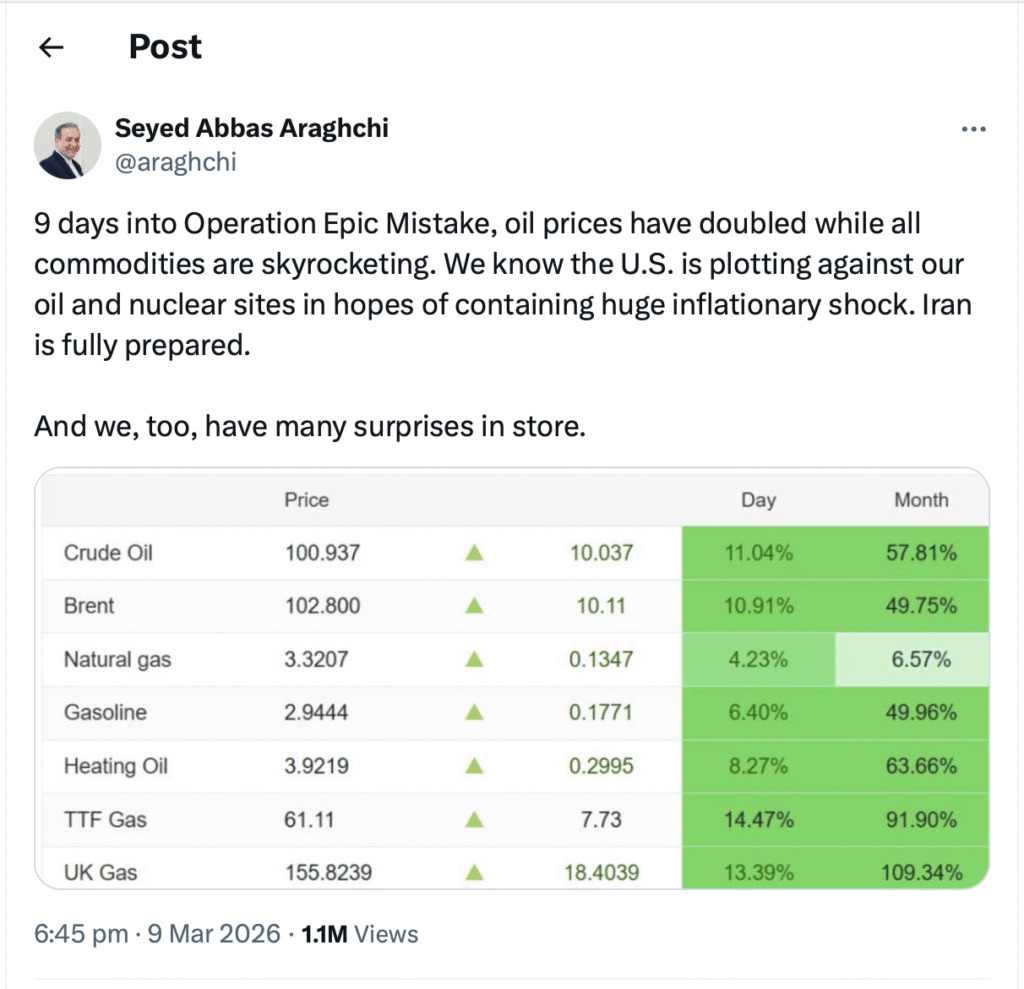
Oil Crisis Pushes Fuel Prices Higher
Fuel prices have already increased in many markets. In the United States, the average gasoline price has reached $3.578 per gallon.
Prices rose 38 cents in one week. Over the past month, gasoline prices increased 64 cents.
Diesel prices increased even more. The national average is now $4.830 per gallon, compared with $3.667 one month ago.
Economic Impact of Higher Fuel Costs
Higher fuel prices affect many industries. Transportation, logistics, and manufacturing all face higher costs.
When diesel becomes expensive, shipping costs rise. As a result, many companies increase product prices.
You can also explore how fuel prices affect the automotive market here:
gearsme.com
Outlook for Energy Markets
Energy experts expect oil markets to remain unstable. Supply problems and geopolitical tensions could continue to affect prices.
Because of this uncertainty, governments rely on strategic petroleum reserves to stabilize energy markets during supply shocks.