

The Lucid Lunar Robotaxi shows how transportation may evolve in modern cities. Instead of privately owned vehicles, many experts believe urban areas will rely on fleets of autonomous electric taxis.
For that reason, several automakers and technology companies are investing heavily in autonomous mobility.
One of the companies exploring this future is Lucid Motors.
The company introduced the Lunar concept as a fully electric vehicle designed for driverless ride-sharing services. Rather than modifying an existing car, it created a platform built specifically for autonomous mobility.
Lucid Lunar A Compact Autonomous Vehicle
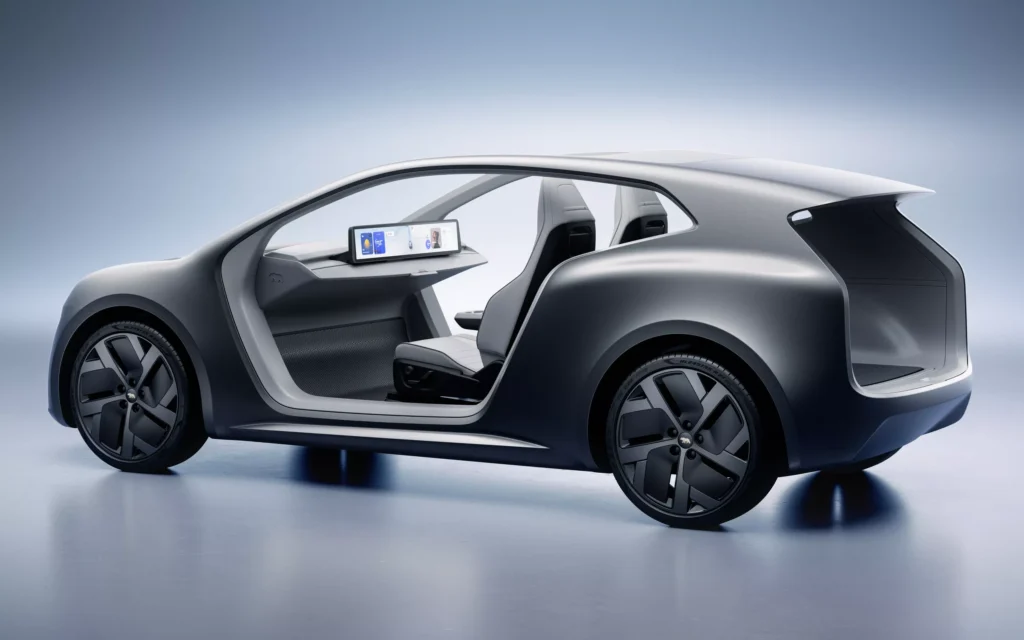
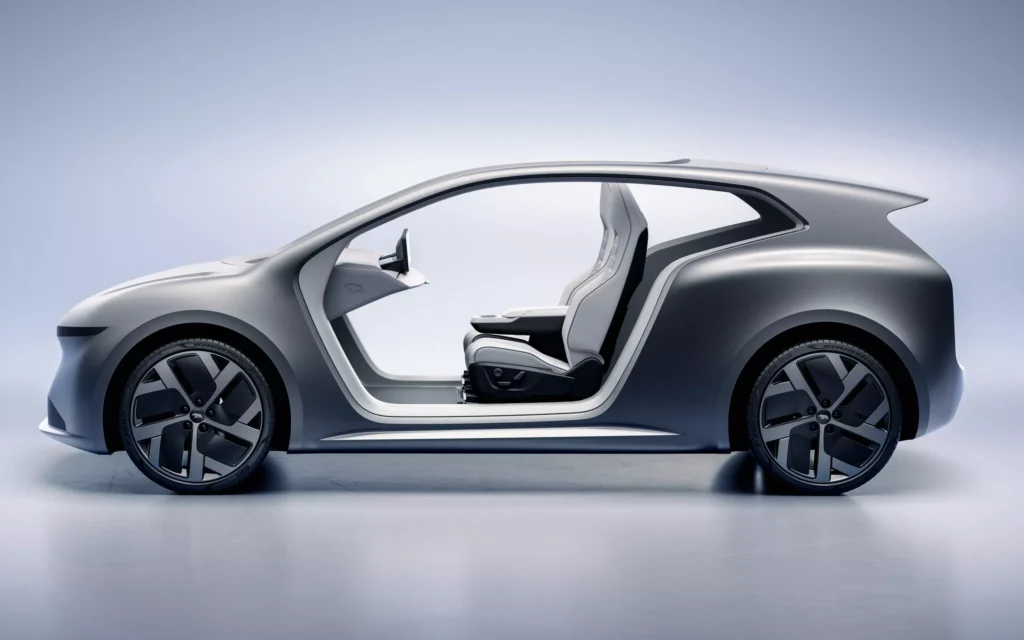
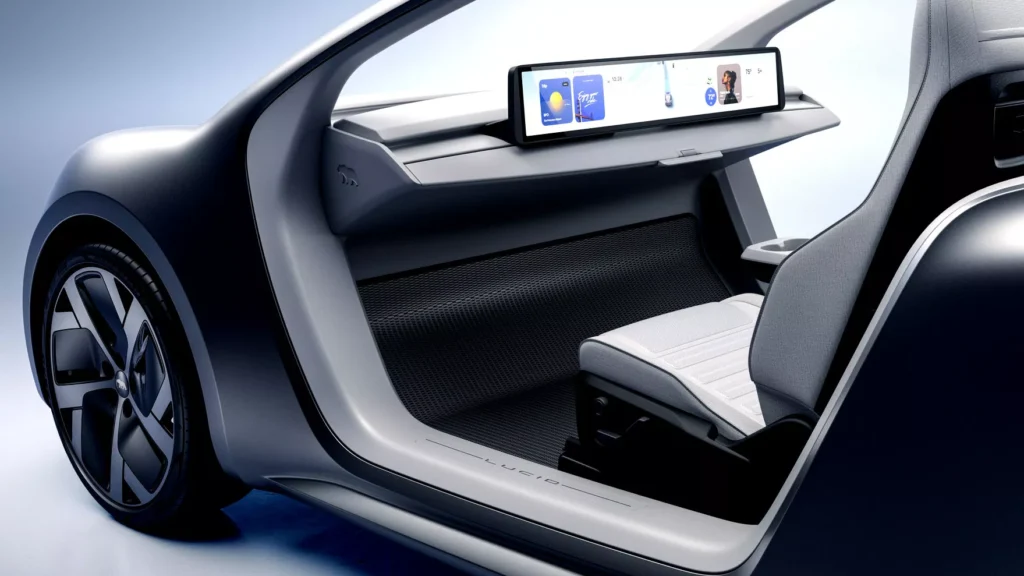
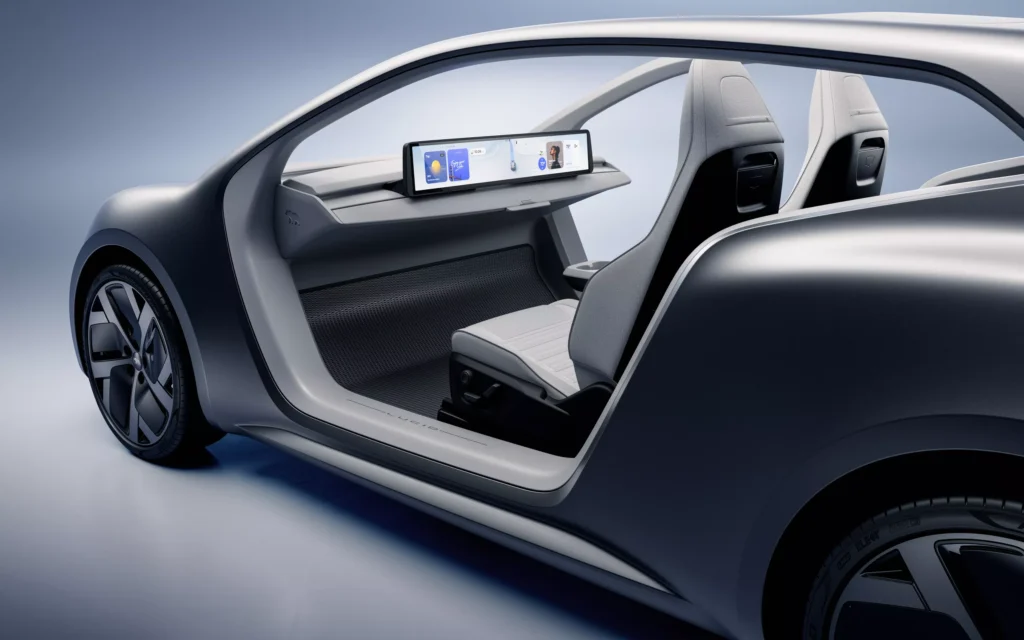
The Lunar concept is a small electric vehicle created for short urban trips. Unlike traditional cars, the vehicle does not include a steering wheel or pedals. Therefore, it is designed to operate without a human driver.
Instead of focusing on driving controls, the design focuses on passenger space.
The cabin features two seats and a minimalist layout. As a result, passengers receive a more comfortable ride experience.
This concept also reflects a wider trend in the automotive industry.
Many companies are now designing vehicles specifically for autonomous transportation services.
Efficiency and Electric Range of Lucid Lunar
Robotaxi vehicles must operate almost all day. Because of this, efficiency becomes extremely important. The company designed the concept with energy efficiency as a major priority.
The company aims for energy consumption between 5.5 and 6 miles per kWh.
If these targets are achieved, the vehicle could reach a driving range of around 400 miles (640 km) on a single charge.
In addition, a longer range would reduce downtime for charging.
Consequently, ride-sharing fleets could remain active for longer periods.
It already demonstrated strong efficiency with its luxury electric sedan, the Lucid Air.
Fast Charging for Fleet Use
Fast charging is another important factor for robotaxi operations. Vehicles that charge quickly can return to service sooner.
As a result, mobility companies can increase fleet productivity.
The company says the concept may support ultra-fast charging technology.
This system could add more than 200 miles of range in roughly 15 minutes.
Furthermore, this capability builds on Lucid’s existing electric architecture, which already supports high-speed charging in current production vehicles.
Passenger Experience in Lucid Lunar
Since autonomous vehicles do not require driver controls, the cabin layout becomes more flexible.
Therefore, designers can focus entirely on passenger comfort.
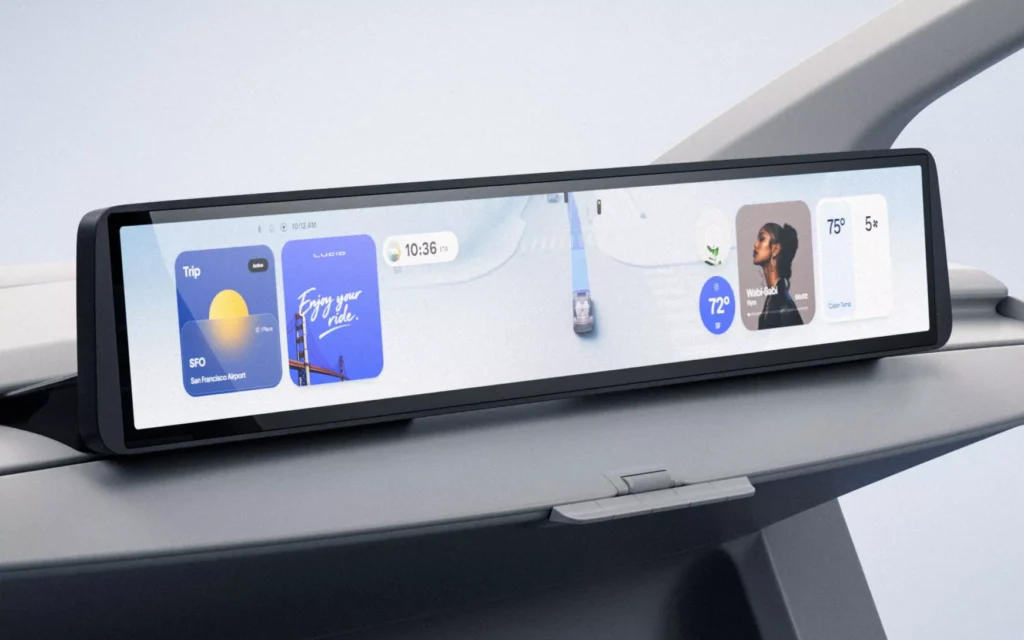
The Lunar concept features a clean interior with two seats and a digital interface that manages navigation and ride settings.
Meanwhile, connectivity and entertainment features could allow passengers to personalize their journeys.
Because of this approach, the vehicle aims to create a calm and comfortable travel environment.
Strategy in the Autonomous Mobility Market
Lucid is not alone in exploring robotaxi technology. Several companies are already developing autonomous ride-sharing services.
For example, Tesla, Waymo, and Zoox are all working on similar projects.
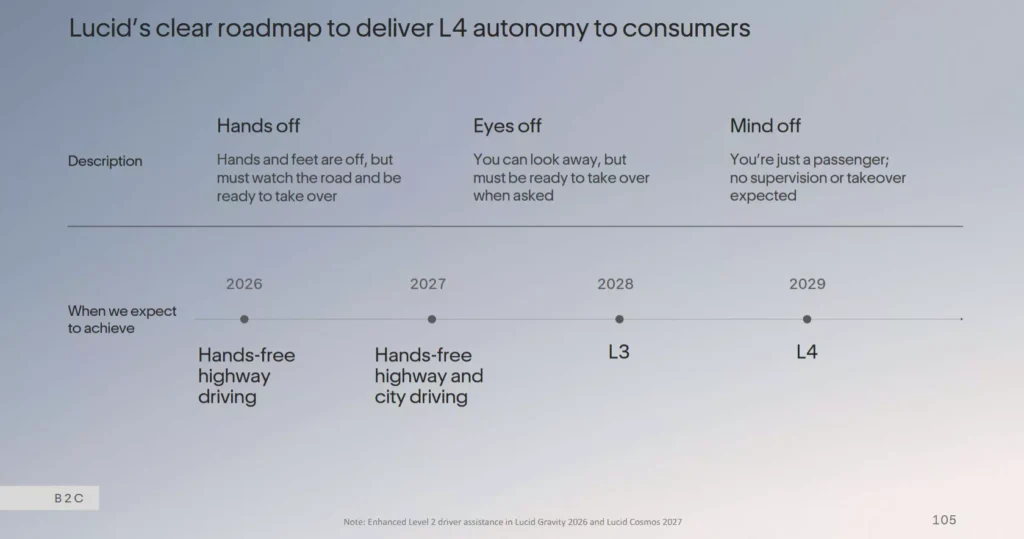
However, Lucid’s strategy focuses on combining efficient electric powertrains with advanced software systems.
Therefore, the company could gain an advantage in operating costs and energy efficiency.
The Future of Urban Mobility
Autonomous electric vehicles could transform the way people travel in cities. Instead of owning personal vehicles, many users may rely on shared transportation services.
Robotaxi fleets could reduce congestion and improve safety.
At the same time, electric vehicles would help reduce emissions in urban areas.
Concept vehicles like the Lunar demonstrate how future mobility systems may operate.