
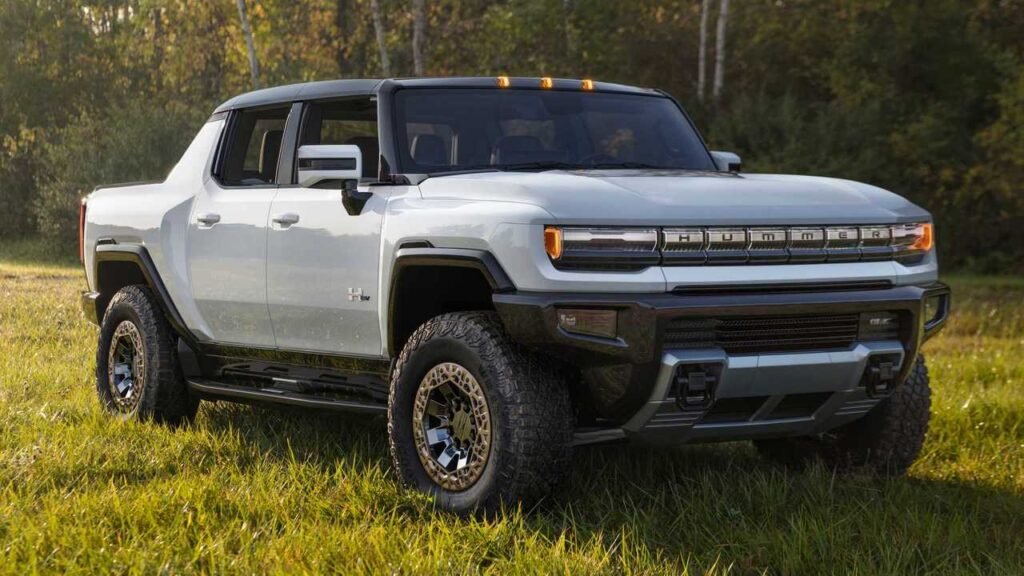

The Hummer is a legendary American vehicle brand widely recognized for its bold design, massive proportions, and exceptional off-road capabilities, with origins deeply rooted in military engineering, as it was inspired by the High Mobility Multipurpose Wheeled Vehicle (HMMWV), commonly known as the Humvee, which was developed in the 1980s by AM General for the United States military and gained global attention during the Gulf War for its ability to operate reliably in extreme and hostile environments; this military success led to the introduction of the civilian Hummer H1 in 1992, a vehicle that closely resembled its military counterpart in both appearance and mechanical construction, featuring a wide track, high ground clearance, portal axles, central tire inflation systems, and powerful diesel engines designed to deliver unmatched durability and off-road performance, although it was often criticized for its high price, limited interior comfort, excessive width, and extremely poor fuel efficiency.
In the early 2000s, General Motors acquired the Hummer brand and sought to broaden its appeal by introducing more refined and consumer-oriented models, beginning with the Hummer H2 in 2002
Which retained the aggressive, boxy exterior styling that defined the brand while offering significant improvements in interior space, luxury features, safety equipment, and on-road drivability, powered by large V8 gasoline engines that provided strong performance and towing capability, making it popular among drivers who valued presence and power as much as off-road capability.
This expansion continued with the launch of the Hummer H3 in 2005, a smaller and more accessible model designed to attract a wider audience
Featuring a more compact platform, improved maneuverability, better fuel efficiency compared to its predecessors, and advanced four-wheel-drive systems, while still maintaining the rugged design language and off-road credentials associated with the Hummer name. Throughout the 2000s, the Hummer became a powerful cultural symbol, frequently appearing in movies, television shows, music videos, and celebrity garages, where it represented strength, dominance, luxury, and individuality, yet this same image also attracted growing criticism as concerns over climate change, rising fuel prices, and environmental sustainability increased, leading many to view the vehicle as a symbol of excess and inefficiency.
These factors, combined with the global financial crisis, caused sales to decline sharply, resulting in the discontinuation of the Hummer brand in 2010; however
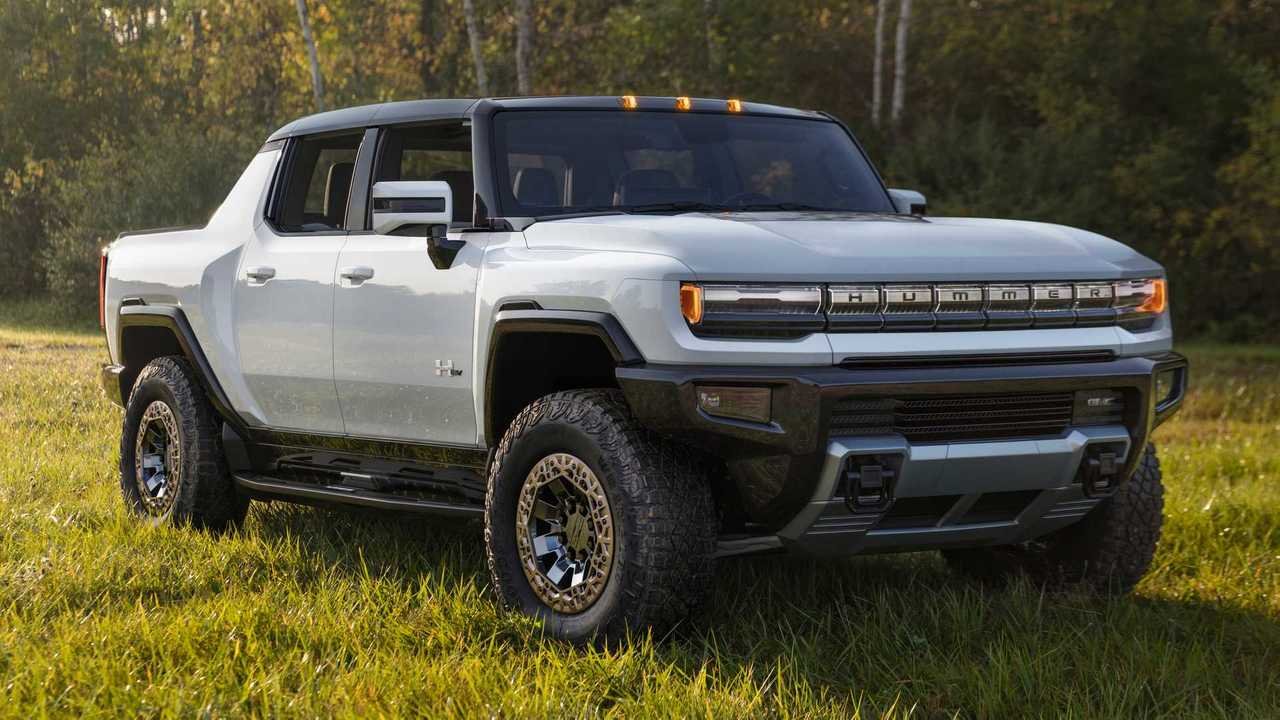
“The legacy of the Hummer did not end there, as the brand was dramatically revived in 2020 with the introduction of the GMC Hummer EV, an all-electric pickup truck and SUV that redefined the concept of the Hummer for the modern era by combining zero-emission electric propulsion with extraordinary performance, including instant torque, advanced battery technology, adaptive air suspension, four-wheel steering, and innovative features such as CrabWalk, which allows the vehicle to move diagonally, demonstrating how the Hummer evolved from a fuel-intensive, military-inspired machine into a technologically advanced electric vehicle while preserving its core identity of toughness, capability, and innovation, ultimately reflecting broader changes in the automotive industry and consumer expectations over time”.