

Chinese electric vehicle (EV) makers have quickly gone from focusing on low costs to being world stars in technology. Many old automakers aren’t doing as well as Chinese brands like BYD, NIO, XPeng, Geely, and SAIC when it comes to key EV measures like battery efficiency, software integration, cost control, and speed of innovation. Their success is not by chance; it comes from smart investments, integrating different departments, and putting technology first.
The Change in the World’s EV Leaders
China was primarily seen as a manufacturing base for many years. It has grown to become the biggest market for electric vehicles (EVs) in the world and a leader in EV creation. Chinese brands can try, iterate, and grow new technologies faster than traditional brands that work in smaller or more fragmented markets because they have access to a vast local market.
Five to seven years is a normal length of time for development at legacy automakers. Chinese electric vehicle (EV) companies work more like tech companies, releasing new models every 12 to 24 months. This fast development makes it easier for new cell chemistries, chipsets, and software features to be used more quickly.
Battery Technology: The Core Advantage
One big area where Chinese brands are ahead of the rest is battery innovation. Companies like BYD first made Lithium Iron Phosphate (LFP) batteries. They are safer, cheaper, and last longer than regular lithium-ion batteries. For example, BYD’s Blade Battery makes heat safety better while also making batteries last longer and hold more power. Many legacy brands still get their batteries from outside sources, which limits their options and slows down growth.
Chinese companies like CATL and BYD make most of the batteries used in electric vehicles. It lowers prices, makes sure of a steady supply, and speeds up testing with solid-state and sodium-ion batteries, which are still in the early stages of research at traditional automakers.
Software-Defined Vehicles and Smart Systems
To start, Chinese electric cars are made to be software-defined. Some brands, like XPeng and NIO, treat cars like computers, giving them over-the-air (OTA) updates, AI-powered driving help, and regular feature improvements.
Legacy brands often have trouble because their car designs were made for combustion engines, which makes software integration complex and expensive.
Chinese electric vehicle businesses invest a significant amount of money in AI, sensors, and their own custom algorithms. A lot of models already come with smart parking, advanced driving assistance systems (ADAS), and directions for cities. Most of the time, these features come at lower prices than similar products from traditional cars.
Cost-effectiveness and Market Speed
Vertical integration lowers costs:
In-house design and production of batteries, motors, power systems, and even semiconductors are standard among Chinese EV makers. It makes the company less reliant on its sources and cuts production costs by a large amount.
It costs more and takes longer for traditional automobile manufacturers to respond to changes in the market or a lack of parts because their global supply lines are more complicated.
Fast Manufacturing and Scaling:
Electric vehicle makers can quickly make more cars thanks to China’s advanced manufacturing environment. Time-to-market is faster than it was for older plants that were built for internal combustion engines because of automated factories, local supplier groups, and infrastructure that is backed by the government.
What is the government policy and infrastructure support given?
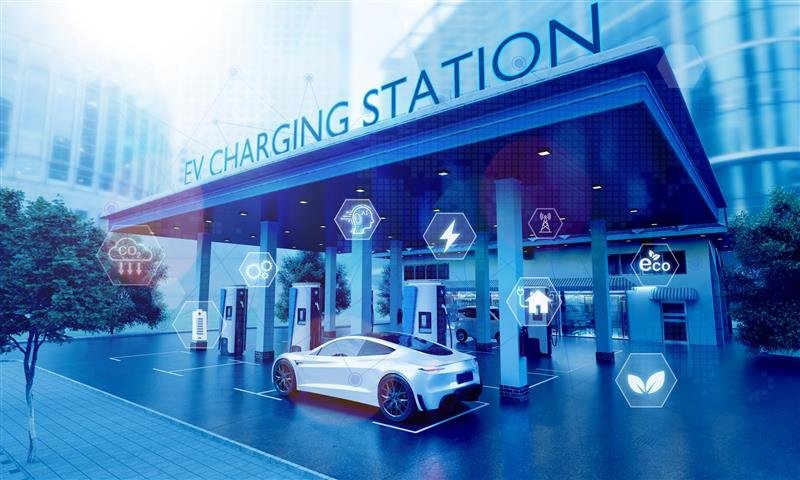
Electric mobility is a top priority for China’s long-term industry strategy. Government support includes R&D incentives, additional charging stations, and clear EV use laws. This environment speeds up new ideas and lowers the risk for producers.
Legacy automakers work in places where EV rules aren’t always constant, which slows down change.
Design and Features Focused on Customers
Digital screens, voice assistants, AI personalisation, and smooth mobile app interaction are essential to Chinese EV brands. People who buy EVs see them as intelligent machines, not just cars.
Younger, tech-savvy customers don’t care as much about mechanical performance and company history when it comes to legacy names.
Chinese names offer high-end features at mid-range prices by keeping costs low and expanding their businesses. Global consumers’ standards are changing because of this value promise, which makes traditional brand loyalty harder to maintain.
Why are old brands having a hard time keeping up?
While investing in EVs, traditional automakers have to run their businesses that use gasoline engines. Internal pushback, trade networks, and old platforms slow down updating.
Many well-known brands saw electric vehicles (EVs) more as an addition to their range than as a whole new technology. China, on the other hand, built their businesses with electric vehicles (EVs) in mind from the start, which led to cleaner designs and faster progress.
The Future of Global EV Competition
Chinese EV brands aren’t just fighting on price anymore; they’re also setting standards around the world in battery technology, software, and how efficiently they make cars. Legacy brands will have to rethink their plans as they move into new markets and grow into Europe, the Middle East, and developing markets.
Anyone can make an electric vehicle now; it’s not about who has been around the longest. It’s about who can come up with new ideas the fastest. In this new age, Chinese names are the best.