

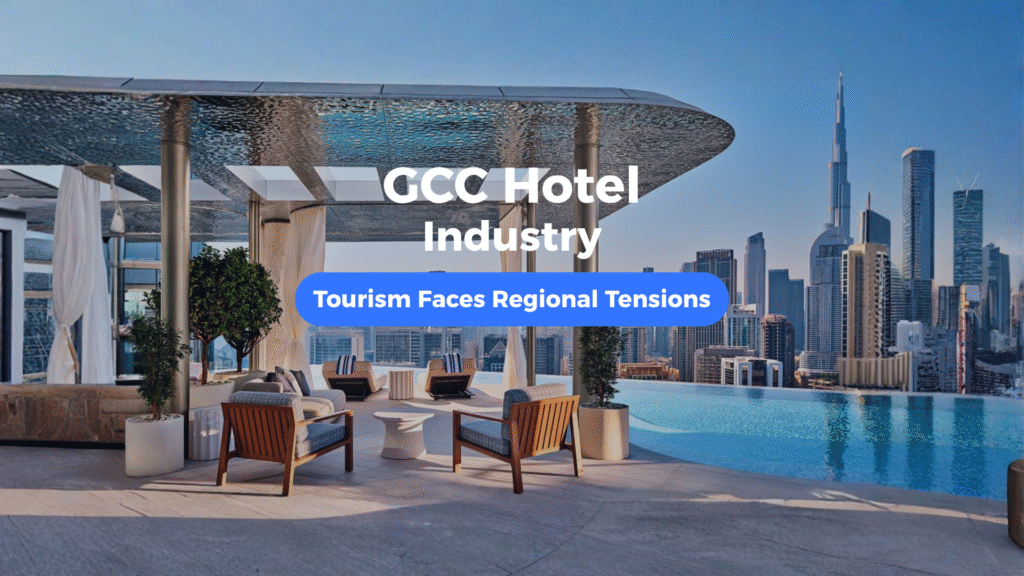

How geopolitical developments are influencing tourism and travel across the Gulf
The GCC hotel industry is currently experiencing noticeable shifts as regional geopolitical tensions influence travel patterns and tourism demand. These developments affect hotel bookings, airline traffic, and visitor confidence, particularly in major tourism hubs such as Dubai, Doha, and Riyadh.
Despite these short-term challenges, the hospitality sector across the Gulf continues to benefit from large tourism investments and long-term development strategies that support steady growth.
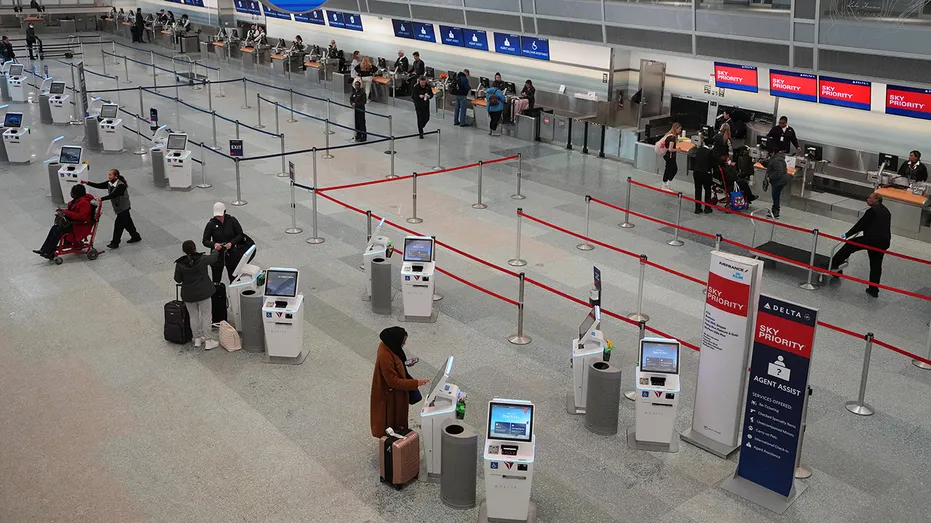
Air travel disruptions affecting the GCC hotel industry
International air travel plays a critical role in supporting the GCC hotel industry. Therefore, any disruptions in flight operations can quickly impact visitor numbers across the region.
Cities like Dubai and Doha rely heavily on international passenger traffic. As a result, when flights are delayed, cancelled, or reduced, hotel occupancy levels often decline temporarily.
However, the region’s hospitality market has historically shown strong resilience. Once travel conditions stabilize, tourism demand typically rebounds quickly.
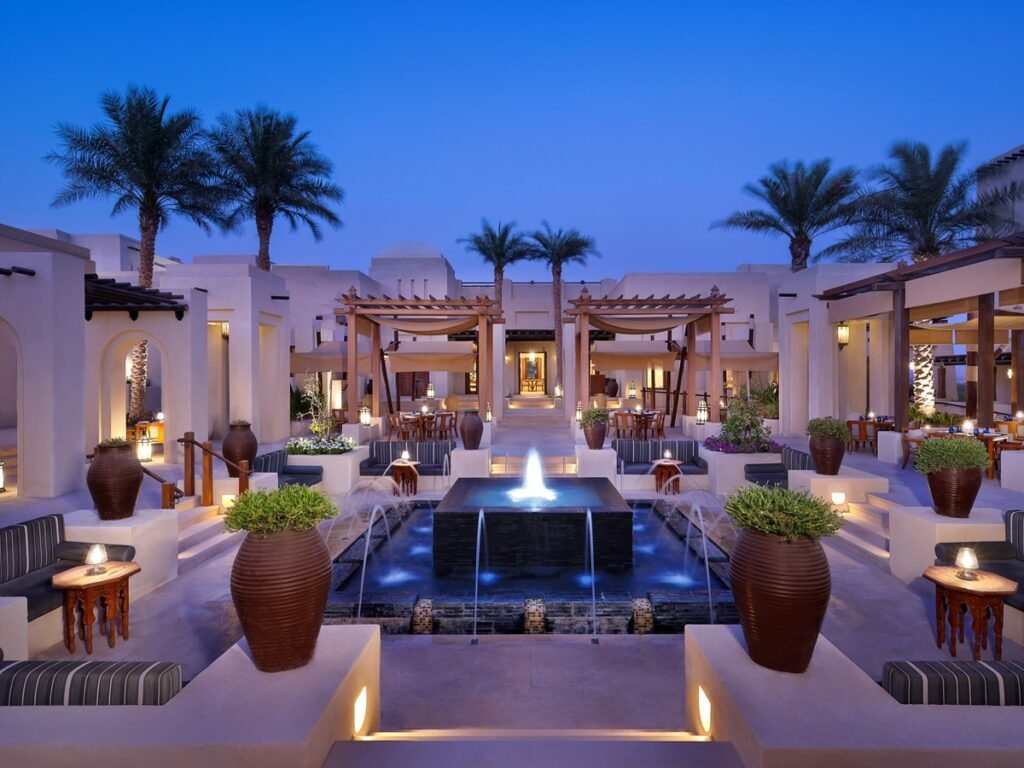
Changing booking patterns in regional tourism
During periods of geopolitical uncertainty, some travelers prefer to delay travel plans or choose alternative destinations. Consequently, several markets in the Gulf may experience temporary slowdowns in hotel reservations.
At the same time, hotels frequently introduce promotional offers and competitive room rates to maintain occupancy levels. This strategy helps hospitality operators manage fluctuations in demand while maintaining business continuity.
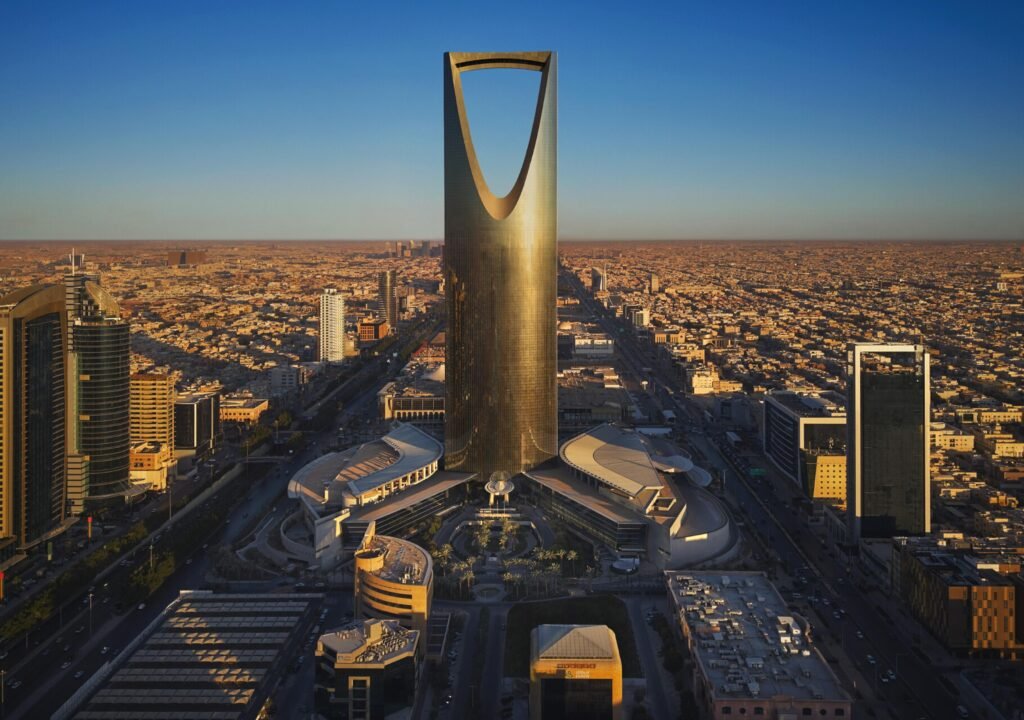
Tourism investments supporting GCC hotel industry growth
Even with short-term disruptions, the GCC hotel industry continues to expand thanks to major tourism development projects across the region.
Saudi Arabia, for instance, is investing heavily in tourism through its Vision 2030 initiative, which aims to attract millions of international visitors every year. Meanwhile, the United Arab Emirates continues to develop new tourism projects designed to strengthen its global travel appeal.
Because of these long-term strategies, analysts expect hotel demand across the region to grow steadily in the coming years.

Global hotel brands continue expanding in the Gulf
Despite temporary market fluctuations, international hospitality brands are continuing to invest in the region and open new properties.
Major global hotel groups operating in the GCC include:
Marriott
Hilton
Accor
IHG
Rotana
Their continued expansion reflects strong confidence in the long-term potential of the regional tourism market.
Outlook for the GCC hotel industry
Overall, the GCC hotel industry remains resilient and capable of adapting to changing conditions. While geopolitical tensions can temporarily affect tourism flows, the sector often recovers quickly once travel confidence returns.
Furthermore, large-scale tourism investments, infrastructure development, and global travel connectivity continue to support the region’s hospitality sector.
As a result, the GCC is expected to remain one of the fastest-growing hospitality markets in the world.