


Ford is developing the new Ford UEV platform to strengthen its position in the electric vehicle market. The company wants to build electric cars that are more affordable and efficient. With this strategy, Ford aims to compete directly with Tesla. This includes popular models such as the Tesla Model 3 and Model Y.
The move comes at a time when the global auto industry is rapidly shifting toward electric mobility. At the same time, competition between traditional carmakers and new EV manufacturers continues to grow.
What Is the Ford UEV Platform?
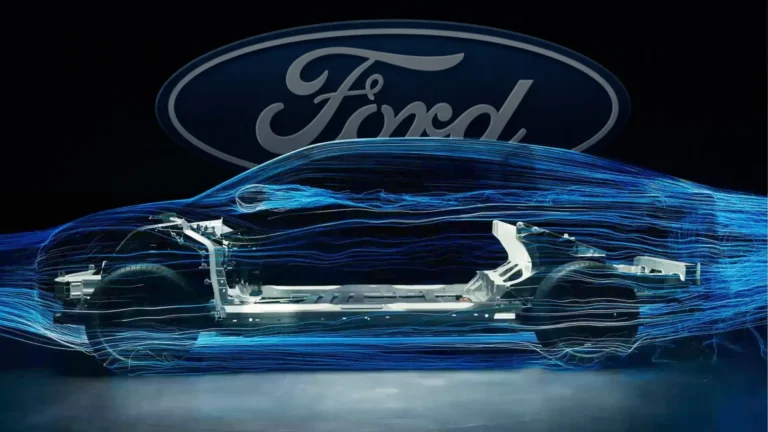
The Ford UEV platform, which stands for Universal Electric Vehicle platform, features a completely new design. Ford created this architecture to simplify the production of electric vehicles. The platform also aims to reduce manufacturing costs compared with existing EV platforms.
Engineers designed the platform to use fewer parts. It also reduces the number of fasteners used during assembly. As a result, Ford can streamline production and lower manufacturing costs.
Another advantage of the platform is flexibility. Automakers can use the Ford UEV platform for several vehicle types. These include electric pickup trucks, SUVs, and potentially sedans in the future.
The First Vehicle Using the Ford UEV Platform
Reports suggest that the first vehicle based on the Ford UEV platform will be a mid-size electric pickup truck. The starting price could be around $30,000.
That price would make it one of the most affordable electric pickups in the market. Lower pricing could attract a wider range of customers.
Ford hopes to launch an electric vehicle with pricing closer to traditional gasoline-powered cars. This strategy could accelerate EV adoption in several markets.
New Technologies to Improve Efficiency
The Ford UEV platform introduces several technologies that improve efficiency and reduce costs. One key feature is the use of LFP batteries, which stands for lithium iron phosphate. These batteries cost less than other battery types and offer strong durability.
Ford also plans to use a 48-volt electrical system. This setup reduces the complexity of wiring in the vehicle. It also improves overall energy efficiency.
In addition, Ford is exploring a structural battery design. Engineers integrate the battery directly into the vehicle structure. This approach reduces weight and increases driving range.
Ford Wants to Compete Directly With Tesla
Ford clearly aims to challenge Tesla with the Ford UEV platform. The company wants to produce electric vehicles that remain affordable for a large number of buyers.
Ford also plans to build several future models using this architecture. These models could include SUVs and commercial vehicles. New electric vehicles based on the platform may arrive in the coming years.
The Future of Ford’s Electric Vehicles
The Ford UEV platform marks an important shift in Ford’s EV strategy. Instead of focusing only on premium electric vehicles, the company now wants to build affordable EVs.
This strategy could expand access to electric vehicles worldwide. It may also help Ford compete more effectively with leading EV manufacturers.
If the Ford UEV platform succeeds, it could become a major milestone in the company’s history. Some analysts even compare its potential impact to the Ford Model T, which once made cars accessible to millions of people.