

Flood Car Insurance: What Drivers in the UAE Should Know
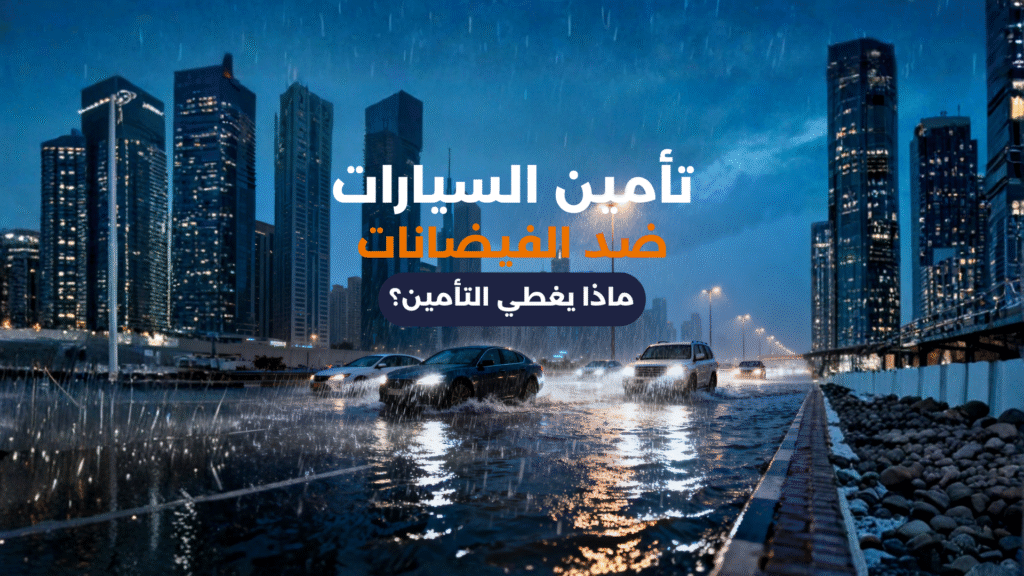
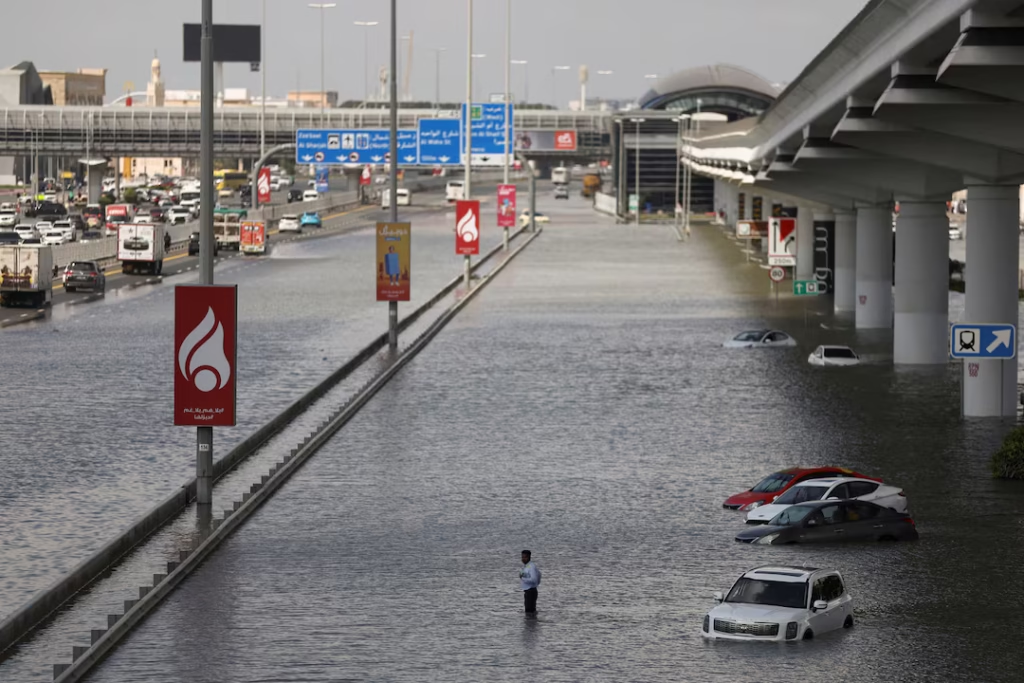
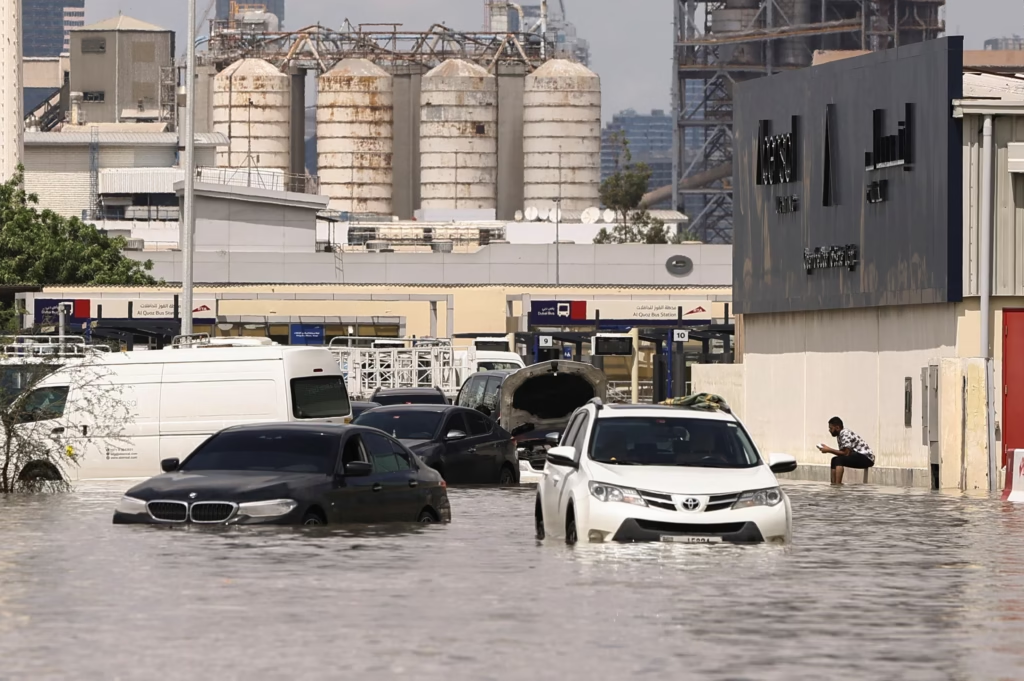
Heavy rain and extreme weather events have become more common across the UAE in recent years. After the historic storms that hit Dubai in 2024 and flooded thousands of vehicles, many drivers realized the importance of understanding flood car insurance and whether their policies actually cover water damage.
Many car owners discovered too late that their insurance did not include flood coverage. That is why it is essential to understand how flood-related vehicle insurance works, what to do if your car is caught in rising water, and how to make sure your policy protects you before a storm happens.
How Flood Car Insurance Works
In the UAE, flood car insurance coverage is typically included under comprehensive car insurance policies. This type of insurance usually covers damage caused by natural disasters such as heavy rain, storms, and flooding.
Third-party insurance, on the other hand, only covers damage you cause to other vehicles or property. It does not usually cover damage to your own car caused by flooding or extreme weather.
Because of this difference, many drivers in the region prefer comprehensive insurance, especially if their vehicle is new or has a high market value.
What To Do If Your Car Is Caught in Flood Water
If your car is exposed to flood water, it is important to act carefully to avoid causing additional damage.
First, never try to start the engine if the water level reached the engine bay. Starting the vehicle can cause a serious issue known as hydrolock, where water enters the engine cylinders and damages internal components.
Instead, contact your insurance provider immediately and request roadside assistance. Most insurance companies in the UAE provide towing services to move the car safely to an approved workshop.
It is also recommended to take photos or videos of the vehicle and surrounding conditions. These images can help support your insurance claim later.
How To File a Flood Car Insurance Claim
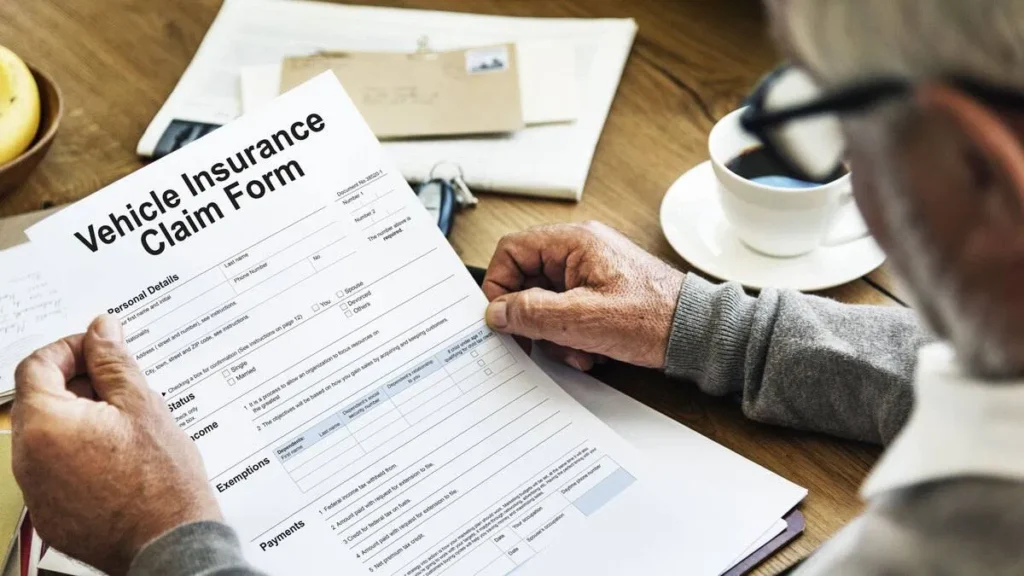
When you submit a flood damage claim, the insurance company typically opens a case and assigns an inspector to assess the vehicle.
The assessor will examine the engine, electrical systems, and interior components to determine the extent of the damage.
After the inspection, the insurer decides whether the vehicle should be repaired or declared a total loss. This decision is usually based on the repair cost compared to the car’s market value.
If repair costs exceed around 60–70 percent of the vehicle’s value, insurers may classify the car as a total loss and compensate the owner based on its market price.
How To Protect Your Car From Flood Damage
Preventing flood damage is always better than dealing with repairs afterward.
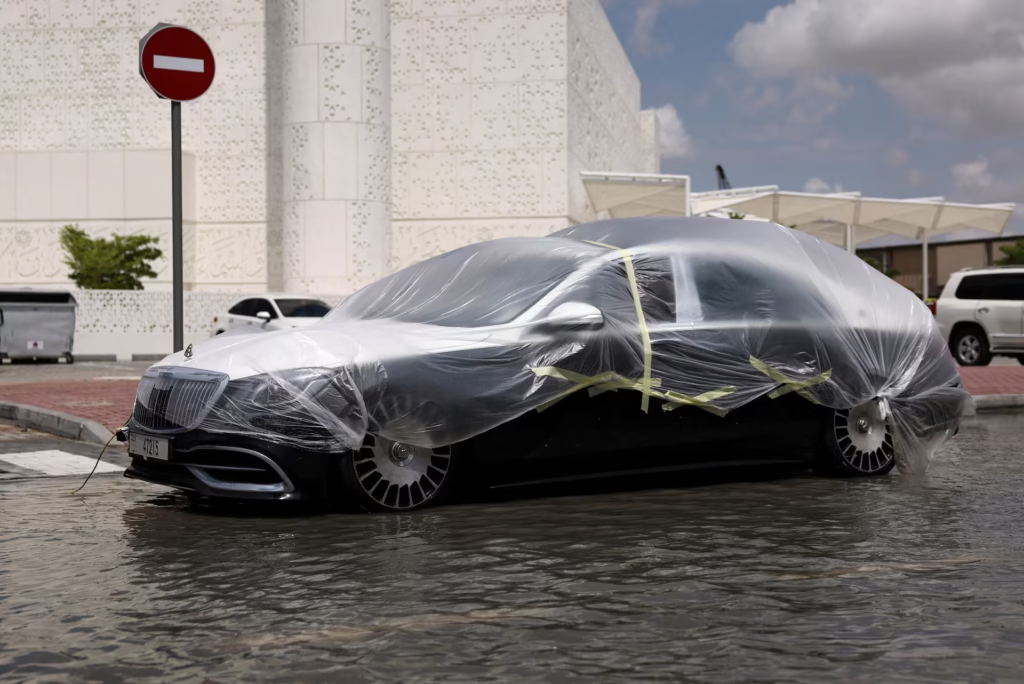
Drivers should monitor weather forecasts and avoid parking vehicles in areas known for water accumulation. Covered parking garages or elevated parking structures are usually safer during storms.
When driving during heavy rain, avoid roads with deep water or large puddles. Even SUVs and off-road vehicles can suffer engine damage if water enters the intake system.
Taking these precautions can significantly reduce the risk of costly flood damage.
What To Check in Your Insurance Policy
Before purchasing a policy, it is important to review the coverage details carefully.
Make sure the policy includes protection for natural disasters such as storms and floods. Some insurers list this coverage explicitly, while others include it under comprehensive protection.
You should also check the deductible amount, which is the portion you must pay before insurance covers the rest of the repair cost.
Additional benefits such as roadside assistance, towing services, and emergency support can also be valuable during severe weather events.
For general insurance guidance, drivers can review information from sources like:
Dubai Police traffic guidance
https://www.dubaipolice.gov.ae
Flood Risks for Electric, Hybrid, and Gasoline Cars
Different vehicle powertrains respond differently to flood exposure.
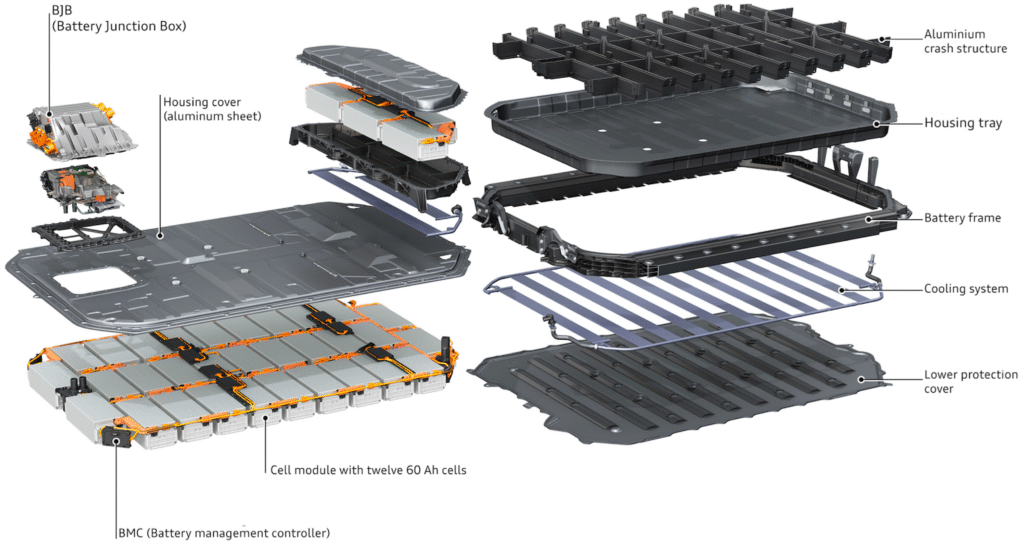
Electric vehicles are designed with sealed battery packs that are heavily protected against water intrusion. However, severe water exposure can still damage electronic components or safety systems.
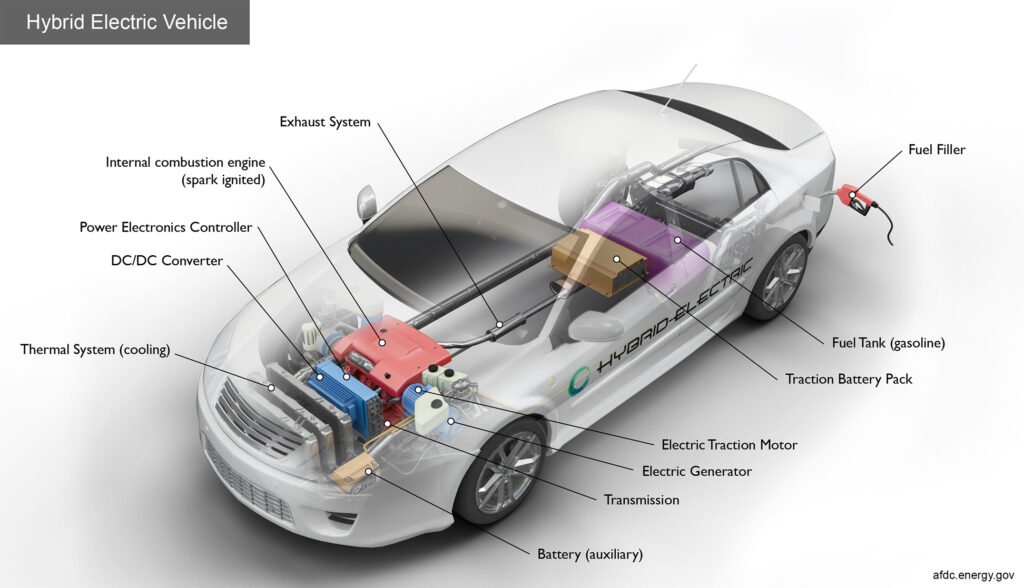
Hybrid vehicles combine a combustion engine with an electric battery system, which means both mechanical and electrical components could be affected by flooding.
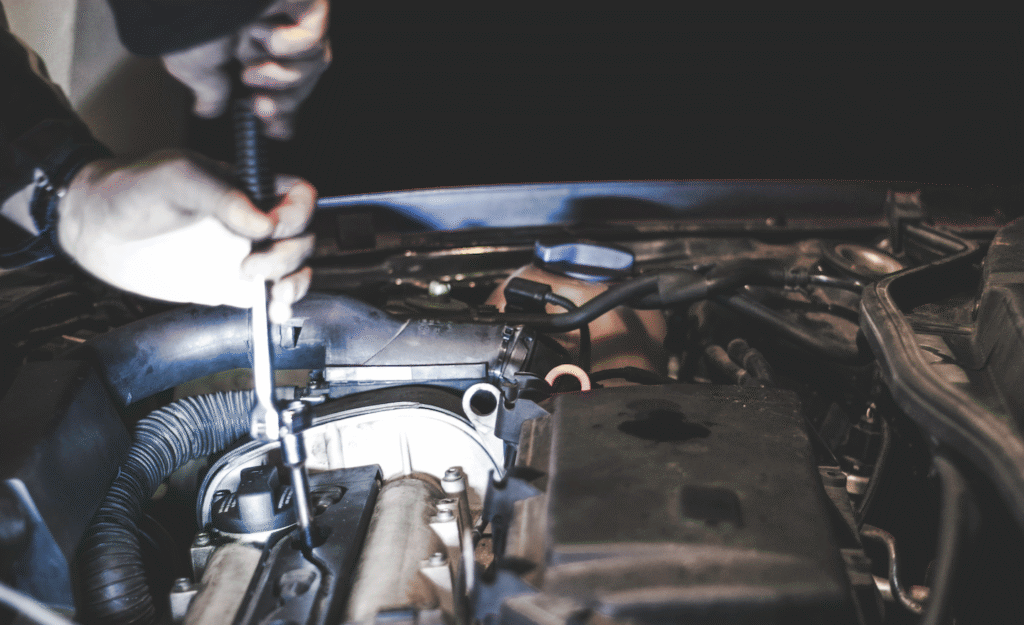
Gasoline and diesel vehicles face the risk of water entering the engine intake or fuel system. If water reaches the combustion chambers, the engine may stop working entirely.
Regardless of the vehicle type, electronic control modules and wiring systems are often the most vulnerable components when exposed to water.
Why Flood Car Insurance Matters More Today
Recent weather events in the UAE have shown that extreme rainfall can happen unexpectedly. Urban infrastructure may not always be prepared for sudden storms, which increases the risk of vehicles being damaged by floodwater.
Because of this, more drivers are reviewing their insurance policies and upgrading to comprehensive coverage that includes protection against natural disasters.
Understanding your insurance policy today could save you thousands of dirhams in repair costs tomorrow.
Conclusion
Flood damage can cause serious mechanical and electrical issues for vehicles, and repairs can quickly become expensive. That is why understanding flood car insurance and verifying your coverage before severe weather strikes is essential.
By choosing the right insurance policy, knowing how to respond during floods, and taking preventive measures, drivers can protect their vehicles and avoid unexpected financial losses.