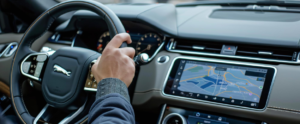



Cars have become much smarter in recent years. Along with airbags, seat belts and stronger vehicle structures, modern cars now use technology that can monitor the road, identify possible dangers and assist the driver when needed.
This technology is known as Advanced Driver Assistance Systems, or ADAS.
ADAS is meant to increase driving comfort and safety. It can warn drivers about potential hazards and, in some situations, automatically apply the brakes or make small steering corrections. However, it is important to remember that ADAS is designed to assist the driver, not replace them.
What Is ADAS?
ADAS is a group of safety features that use cameras, radar, ultrasonic sensors and software to monitor the vehicle’s surroundings.
These systems collect information about nearby vehicles, pedestrians, lane markings, road signs and obstacles. The vehicle’s computer processes this information and determines whether the driver needs a warning or assistance.
For example, if a vehicle ahead suddenly slows down, the system may warn the driver. If the driver does not respond and a collision appears likely, automatic emergency braking may step in.
The exact features available depend on the vehicle manufacturer and model.
How Does ADAS Work?
ADAS relies on several technologies working together.
Cameras can identify lane markings, vehicles, pedestrians and traffic signs. They are particularly useful for understanding visual information around the car.
Radar sensors detect objects and measure their distance and movement. They can continue working in some conditions where cameras may have difficulty.
Ultrasonic sensors are generally used for detecting objects at shorter distances, particularly during parking.
The vehicle’s computer combines the information from these sensors and uses software to decide whether to alert the driver or provide assistance.
This entire process happens very quickly, often within fractions of a second.
Common ADAS Features
Modern vehicles can offer several types of driver assistance. These are a few of the more usual ones.
Automatic Emergency Braking
Automatic Emergency Braking, or AEB, can detect when the vehicle is approaching another vehicle, pedestrian or obstacle too quickly.
The system has the ability to automatically apply the brakes if the driver does not respond promptly. Depending on the situation, this may prevent a collision or reduce its severity.
Forward Collision Warning
Forward Collision Warning monitors the road ahead and alerts the driver when a potential collision is detected.
Unlike automatic emergency braking, this feature generally focuses on providing a warning rather than applying the brakes.
The warning may appear on the dashboard or come through an audible alert or steering wheel vibration.
Lane Departure Warning
Lane Departure Warning helps identify when a vehicle begins drifting out of its lane unintentionally.
A camera normally monitors the lane markings and alerts the driver when the vehicle moves toward or crosses them without an obvious indication of a lane change.
Lane Keeping Assist
When a car starts to accidentally move from its lane, Lane Keeping Assist can help with steering.
It may make a small steering correction to help guide the vehicle back toward the centre of the lane. The driver must still keep their hands on the wheel and remain attentive.
Adaptive Cruise Control
Traditional cruise control maintains a selected speed. Adaptive Cruise Control goes a step further by monitoring traffic ahead.
If the vehicle in front slows down, the system can reduce the car’s speed and maintain a suitable distance. When traffic moves faster, it can gradually increase speed again.
This can make highway driving more comfortable, especially during longer journeys.
Blind Spot Monitoring
Blind Spot Monitoring helps drivers detect vehicles that may not be clearly visible in the side mirrors.
When another vehicle enters the monitored blind spot, the system can provide a warning, often through an indicator on the side mirror.
Some advanced systems can also provide additional steering assistance if the driver attempts to move into an occupied lane.
Rear Cross Traffic Alert
Reversing out of a parking space can be difficult when nearby vehicles block the driver’s view.
Rear Cross Traffic Alert monitors the area behind the vehicle and can warn the driver when another vehicle or object is approaching from the side.
Parking Assistance
Parking assistance uses cameras and sensors to help drivers manoeuvre in tight spaces.
Depending on the vehicle, the system may show a 360 degree view, provide distance warnings or assist with steering during parking.
Even when parking assistance is active, drivers should continue checking their surroundings.
Traffic Sign Recognition
Traffic Sign Recognition uses cameras to identify certain road signs, such as speed limits.
The recognised information can then appear on the vehicle’s display, helping the driver stay aware of changing speed limits and other important signs.
Is ADAS the Same as Self Driving?
No, ADAS and autonomous driving are not the same thing.
ADAS is designed to support a human driver. It can provide warnings, assist with braking, steering or speed control, but the driver generally remains responsible for operating the vehicle.
A self driving system, depending on its level and operating conditions, is designed to handle much more of the driving task. This distinction is important because drivers should never assume that a car equipped with ADAS can drive itself without supervision.
Benefits of ADAS
The main advantage of ADAS is that it gives drivers an additional layer of safety.
People can become tired, distracted or fail to notice a hazard quickly enough. ADAS can sometimes identify a developing danger and provide an earlier warning or response.
These systems can also make driving less stressful. Features such as adaptive cruise control can reduce the constant need to adjust speed, while blind spot monitoring can make lane changes easier. However, these benefits depend on using the systems correctly.
What Are the Limitations?
ADAS is helpful, but it is not perfect.
Heavy rain, fog, dirt, glare and poor road markings can affect cameras and sensors. A blocked or damaged sensor may also prevent a system from working properly.
ADAS may also struggle with unusual road situations or objects that its software does not recognise correctly.
Drivers should therefore never rely completely on these systems. They should continue watching the road, following traffic rules and staying ready to take control.
Why ADAS Calibration Is Important
ADAS sensors and cameras need to be positioned correctly to work as intended.
After certain repairs, such as windshield replacement, bumper damage or collision repairs, some systems may require inspection or calibration.
Even a small change in the position of a camera or radar sensor can affect what the system detects. Proper calibration helps ensure that the technology continues to provide accurate information.
The Future of Car Safety
ADAS technology is continuing to improve. Better cameras, radar systems and software are helping vehicles understand their surroundings more accurately.
Future vehicles may become better at identifying road hazards, predicting the movement of nearby vehicles and assisting drivers in increasingly complex situations.
But no matter how advanced these systems become, responsible driving will remain important.
Smarter Technology, Safer Driving
ADAS has changed the way modern cars approach road safety. Features such as automatic emergency braking, lane assistance, adaptive cruise control and blind spot monitoring can help drivers respond to hazards and stay more aware of their surroundings.
The best way to think about ADAS is simple: it is an extra safety layer, not a replacement for the driver.
Understanding how these systems work, knowing their limitations and keeping their sensors properly maintained can help drivers use ADAS safely and confidently.