
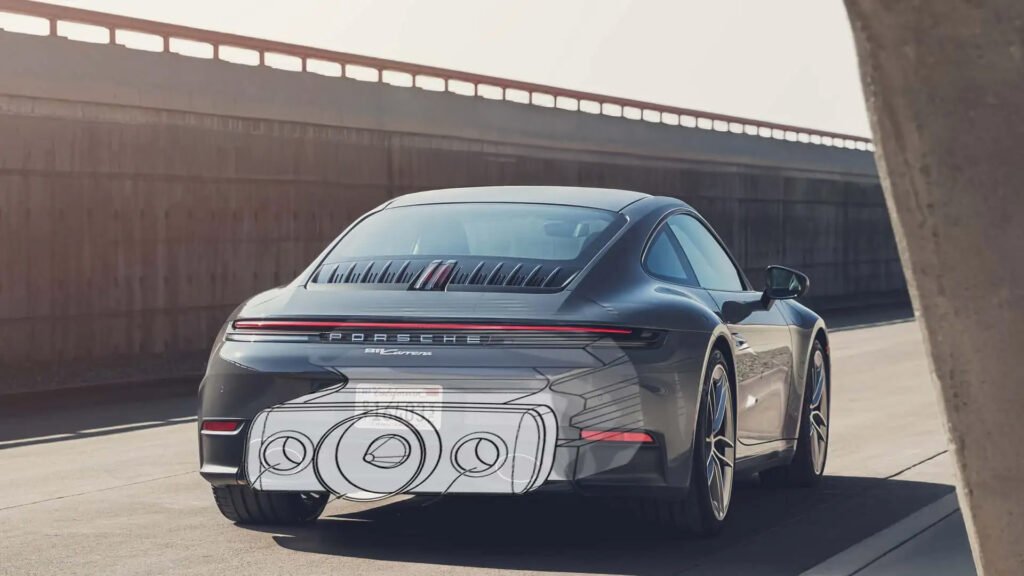

Porsche is currently studying ways to revive Porsche air cooling technology through modern engineering solutions. This move could bring back part of the identity that made classic Porsche 911 models so special.
The idea arrives at a time when Porsche continues to expand its lineup of sports cars and electric vehicles. At the same time, the company still wants to preserve the mechanical character that defined the brand for decades.
As a result, the return of Porsche air cooling technology has attracted major attention from sports car enthusiasts around the world.
What Is Porsche Air Cooling Technology?
For many years, Porsche relied on air-cooled engines in several of its classic sports cars. Instead of using liquid cooling systems, these engines depended on airflow to regulate engine temperature.
This approach reduced mechanical complexity and helped lower overall weight. In addition, it gave Porsche models a distinctive mechanical sound and a unique driving feel.
However, stricter emissions regulations and higher performance demands eventually pushed Porsche toward water-cooled engines. These systems offered better thermal management and improved efficiency.
Why Is Porsche Revisiting Air Cooling?
Porsche does not plan to simply bring back older engines unchanged. Instead, the company appears to be exploring a modern interpretation of Porsche air cooling technology combined with current engineering solutions.
Engineers are focusing on reducing weight and improving heat management. These factors remain extremely important in modern high-performance vehicles.
At the same time, Porsche also wants to create a more engaging and mechanical driving experience for enthusiasts who still appreciate traditional sports car characteristics.
Some analysts believe the technology could help Porsche develop lighter and more efficient performance cars in the future.
Could Air Cooling Work in Electric Vehicles?
Although air cooling is usually associated with combustion engines, some reports suggest Porsche could also apply the concept to electric vehicle components.
Electric motors and battery systems still require advanced cooling solutions to maintain stable performance. This becomes even more important in high-performance EVs.
As a result, Porsche may develop hybrid cooling systems that combine airflow management with modern thermal technologies. Such a system could improve efficiency while reducing overall complexity.
Porsche Between Heritage and Innovation
Porsche has always balanced heritage with innovation. Therefore, the idea of reviving Porsche air cooling technology fits naturally within the brand’s philosophy.
The project also reflects Porsche’s desire to preserve the emotional identity of its sports cars, even as the automotive industry moves toward electrification and digitalization.
Many enthusiasts believe this approach could restore part of the classic character that made older Porsche 911 models so iconic.
Could the Porsche 911 Return with Air Cooling?
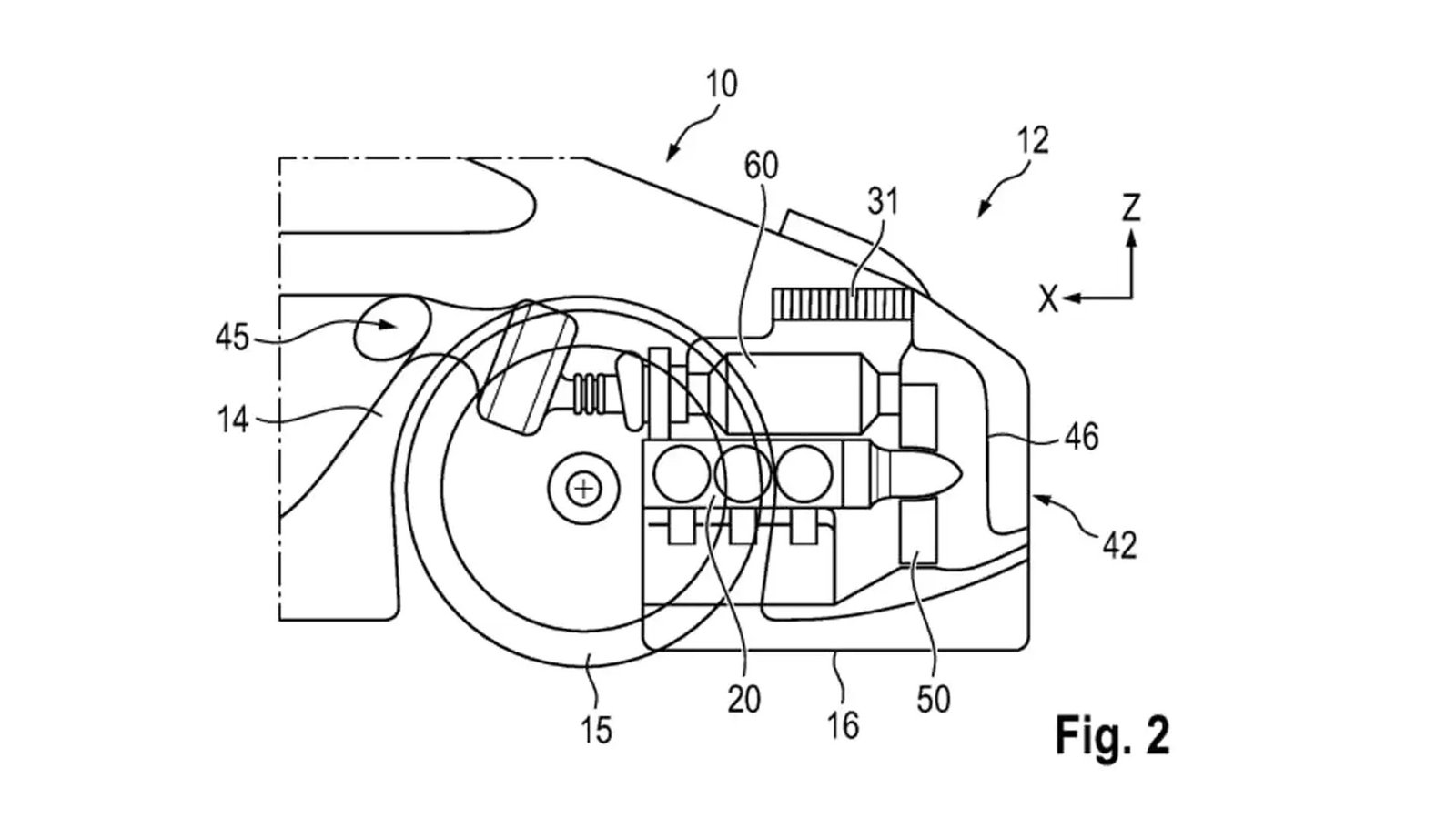
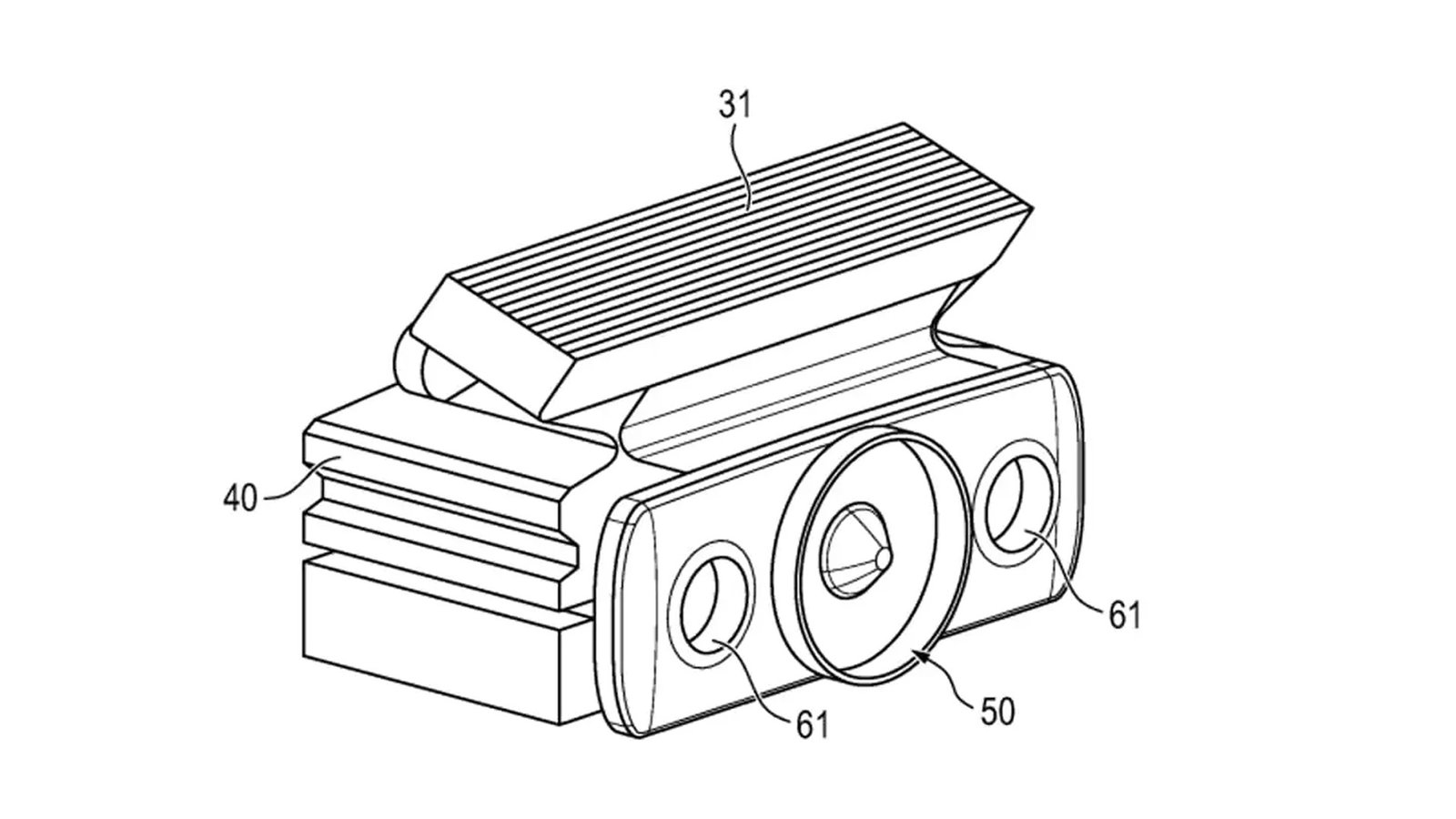
So far, Porsche has not confirmed plans to introduce the technology in a future production model. Nevertheless, recent patents and reports indicate that the company continues to study the concept seriously.
Some experts expect Porsche to use the technology in limited-production models or track-focused vehicles. In these cars, low weight and mechanical feedback remain highly important.
If Porsche successfully develops the system, the company could revive one of its most legendary technologies in a modern form.
Conclusion
The idea behind Porsche air cooling technology highlights the company’s effort to reconnect with a significant part of its engineering heritage.
By combining nostalgia for classic Porsche 911 models with modern performance solutions, Porsche appears to be blending the past and the future into one project.
As sports cars and EVs continue to evolve, this technology could eventually become part of the next generation of high-performance Porsche models.