

The Iran war impact on car sales is beginning to raise concerns across the global automotive industry. As geopolitical tensions increase in the region, analysts believe the conflict could influence both vehicle demand and production in the coming years.
First, the automotive industry depends heavily on economic stability and consumer confidence. When global uncertainty rises, buyers often delay large purchases such as new vehicles. As a result, the Iran war impact on car sales could slow growth in several major markets.
Rising Oil Prices and Their Effect on the Car Market
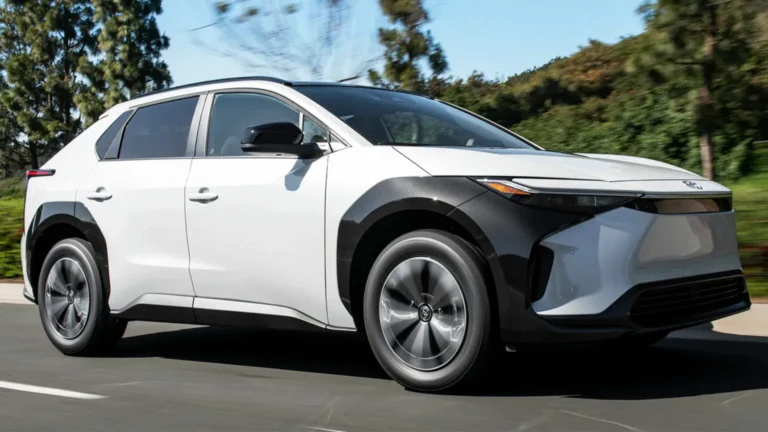
One major factor behind the Iran war impact on car sales is the rise in global oil prices. If tensions escalate or shipping routes are disrupted, fuel prices could increase significantly.
Furthermore, nearly 20% of the world’s oil supply passes through the Strait of Hormuz, a key shipping route in the region. Any disruption there could create strong ripple effects across global energy markets.
As fuel prices increase, consumers often reconsider purchasing new vehicles, especially large SUVs or fuel-intensive cars.
Supply Chain Disruptions Could Affect Production
In addition, the Iran war impact on car sales may extend beyond consumer demand. Conflicts often disrupt international shipping and logistics networks.
Automakers rely on complex global supply chains to manufacture vehicles. Therefore, delays in shipping or increased transportation costs could raise production expenses. In some cases, manufacturers might reduce output or postpone new vehicle launches.
Consequently, higher production costs could also translate into higher vehicle prices for consumers.
Long-Term Effects on the Automotive Industry
Even if the conflict ends quickly, the Iran war impact on car sales could continue to influence the market for some time. Economic uncertainty tends to slow investment and consumer spending across multiple industries.
However, these challenges could also accelerate innovation. Many automakers are already investing in electric vehicles and alternative energy technologies to reduce reliance on fossil fuels.
What This Means for the Future of Cars
Ultimately, the Iran war impact on car sales highlights how sensitive the automotive sector is to geopolitical events. Global car markets rely on stable energy supplies, efficient logistics, and strong consumer confidence.
As the industry continues to evolve, automakers will likely focus even more on electric vehicles, energy efficiency, and resilient supply chains. These developments could shape the next phase of the global automotive market.