

The Gulf Cooperation Council (GCC) region — including the United Arab Emirates, Saudi Arabia, Qatar, Kuwait, Oman, and Bahrain — is witnessing a steady transformation in its automotive landscape. While much attention has been given to new electric vehicle (EV) launches, the used EV market in the GCC is emerging as a dynamic and promising segment. Driven by sustainability goals, improving infrastructure, and growing consumer awareness, the pre-owned EV sector is gaining real momentum across the region.
Rising Adoption of Electric Vehicles in the GCC
Governments across the GCC are pushing ambitious sustainability agendas. The UAE’s Net Zero 2050 strategy and Saudi Arabia’s Vision 2030 initiative are accelerating the adoption of cleaner mobility solutions. These policy frameworks encourage EV usage through infrastructure expansion, incentives, and long-term environmental commitments.
As new EV sales increase, a natural ripple effect follows: more vehicles enter the secondary market. Early adopters who purchased EVs three to five years ago are now upgrading to newer models, creating a supply of pre-owned electric cars. This growing inventory is making EV ownership accessible to a broader segment of buyers who may have previously considered new EVs too expensive.
Why Buyers Are Turning to Used EVs
1. Affordability
One of the primary drivers behind the used EV market in the GCC is cost. New EVs often come with premium pricing, especially imported models from Europe, the US, and China. Used EVs offer a more affordable entry point, enabling middle-income buyers and young professionals to shift toward electric mobility without the high upfront investment.
2. Lower Running Costs
Fuel prices in the GCC remain relatively competitive compared to global averages, but EVs still provide significant savings in terms of maintenance and operational costs. Electric vehicles have fewer moving parts, eliminating the need for oil changes and reducing long-term servicing expenses. For fleet operators, ride-hailing drivers, and corporate users, these savings can be substantial over time.
3. Improved Charging Infrastructure
Charging networks are expanding rapidly in major GCC cities like Dubai, Abu Dhabi, Riyadh, and Doha. Public fast-charging stations, mall-based chargers, and residential charging installations are increasing confidence among potential EV buyers. As infrastructure improves, range anxiety decreases, making used EVs more practical for daily commuting.
Digital Transformation of the Used Car Market
The GCC’s automotive market has embraced digitalization. Online car marketplaces now provide inspection reports, financing options, warranty packages, and even doorstep delivery. This transparency is particularly important for used EV buyers who may have concerns about battery health and vehicle performance.
Advanced diagnostic tools and certified pre-owned programs are helping build trust. Many dealers now offer battery health certifications and limited warranties for used EVs, addressing one of the most significant buyer concerns in the electric segment.
Key Challenges Facing the Used EV Market
Despite the growth potential, the used EV market in the GCC still faces several challenges:
Battery Degradation Concerns
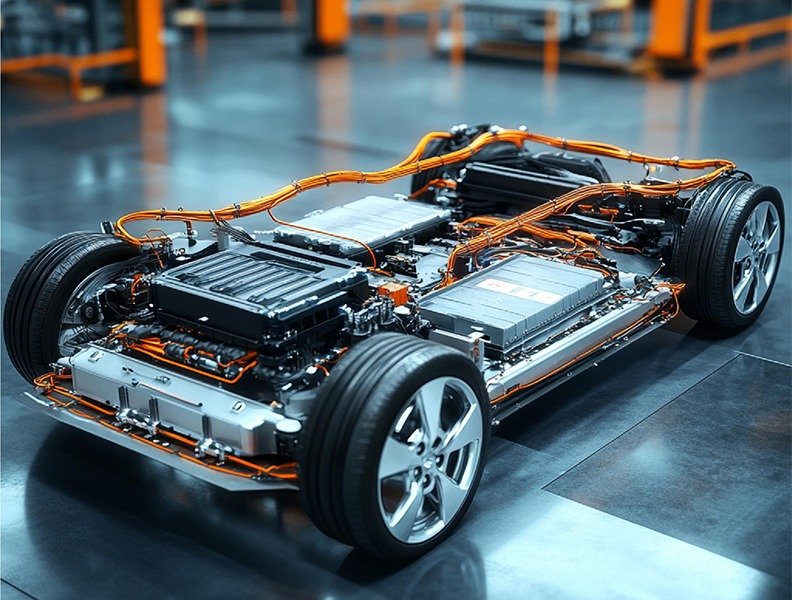
Battery life remains a top concern for buyers. High temperatures in the Gulf region can accelerate battery wear if not properly managed. Consumers are becoming more educated about battery warranties and thermal management systems, but skepticism still exists.
Insurance and Repair Costs
Insurance premiums for EVs can be higher compared to traditional petrol vehicles, largely due to specialized parts and repair expertise. Additionally, the availability of skilled EV technicians and spare parts is still developing in certain GCC markets.
Limited Model Variety
Although the number of EV brands entering the GCC is increasing, the used EV market still has a narrower selection compared to conventional vehicles. However, this is expected to change as more models reach maturity and enter the resale cycle.
Opportunities for Dealers and Investors
The used EV market in the GCC presents compelling opportunities:
1. Certified Pre-Owned EV Programs
Dealerships can introduce structured certification programs that guarantee battery health, offer extended warranties, and provide transparent vehicle history reports. This can significantly boost consumer confidence and drive sales.
2. Fleet Electrification
Corporate fleets, delivery services, and government entities are gradually transitioning to electric mobility. Used EVs can serve as a cost-effective option for fleet expansion, especially for short-distance urban operations.
3. Export and Re-Export Markets
The GCC has long been a hub for vehicle re-export. As the used EV market matures, there may be opportunities to export pre-owned electric cars to emerging markets in Africa and South Asia where demand for affordable EVs is rising.
4. Charging and After-Sales Services
Beyond vehicle sales, businesses can capitalize on EV-related services such as home charger installations, battery diagnostics, and EV-focused maintenance workshops. These complementary services can create additional revenue streams.
The Role of Chinese EV Brands
Chinese manufacturers are playing a growing role in the GCC EV ecosystem. Competitive pricing, advanced features, and strong battery technology have helped these brands gain traction. As these vehicles enter the used market, they will likely increase supply diversity and put downward pressure on resale prices, making used EVs even more accessible.
Regional Outlook
The UAE currently leads the GCC in EV adoption due to strong infrastructure, regulatory support, and high consumer awareness. Saudi Arabia, with its large population and ambitious development projects, represents the biggest long-term growth opportunity. Qatar, Oman, Bahrain, and Kuwait are also gradually expanding infrastructure and awareness campaigns, laying the groundwork for broader adoption.
Over the next five to ten years, the used EV market in the GCC is expected to expand significantly. As battery technology improves, prices decrease, and charging networks become widespread, used electric vehicles will transition from a niche alternative to a mainstream automotive choice.
Conclusion
The used EV market in the GCC stands at an inflection point. Supported by government policies, technological advancement, and shifting consumer preferences, it is poised for sustained growth. While challenges such as battery perception and insurance costs remain, the opportunities for dealers, investors, and fleet operators are substantial.
As more electric vehicles enter the resale cycle, affordability will improve, infrastructure will mature, and buyer confidence will strengthen. For stakeholders willing to adapt and innovate, the GCC’s used EV market represents a promising frontier in the region’s evolving mobility ecosystem.