

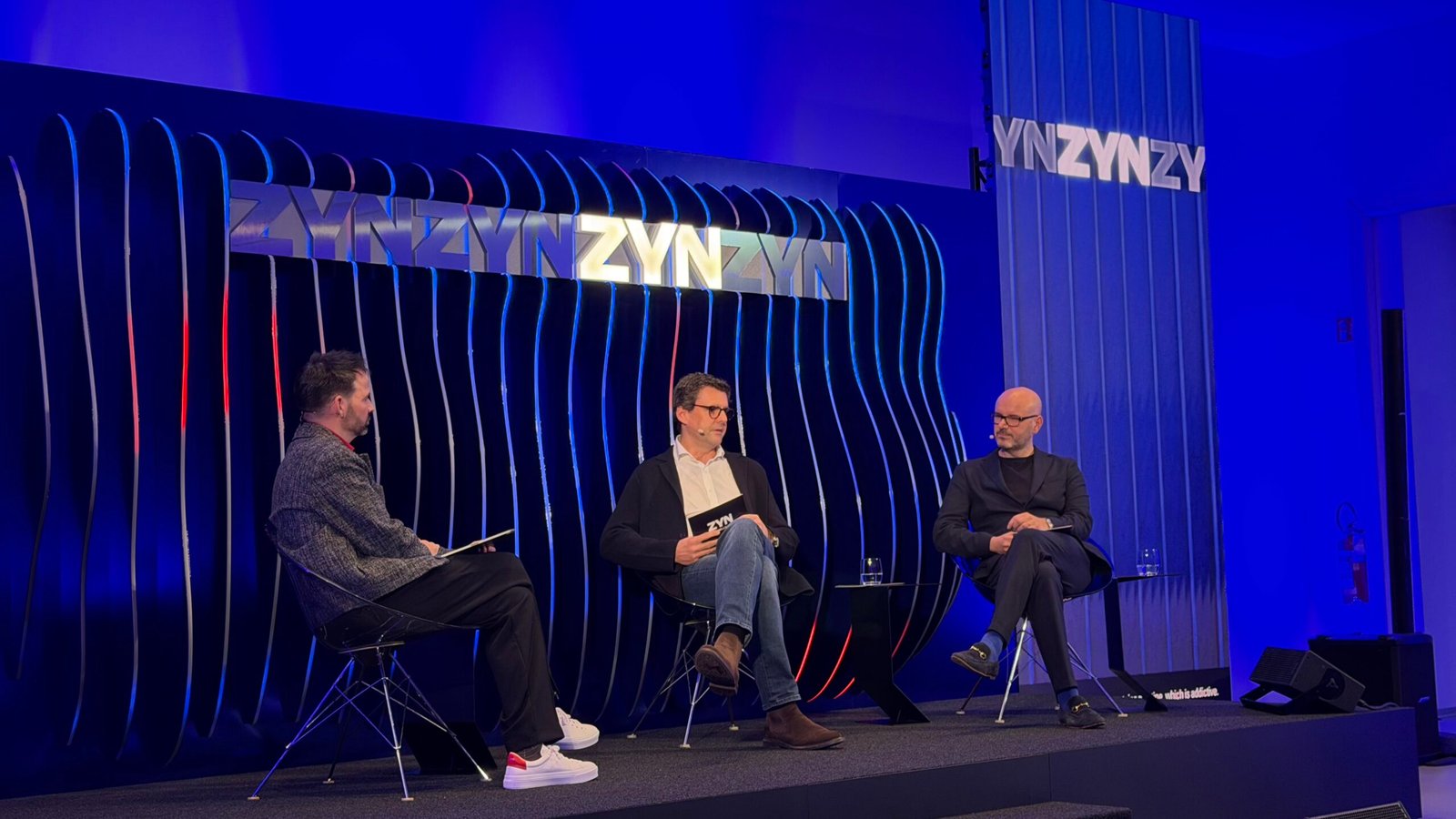

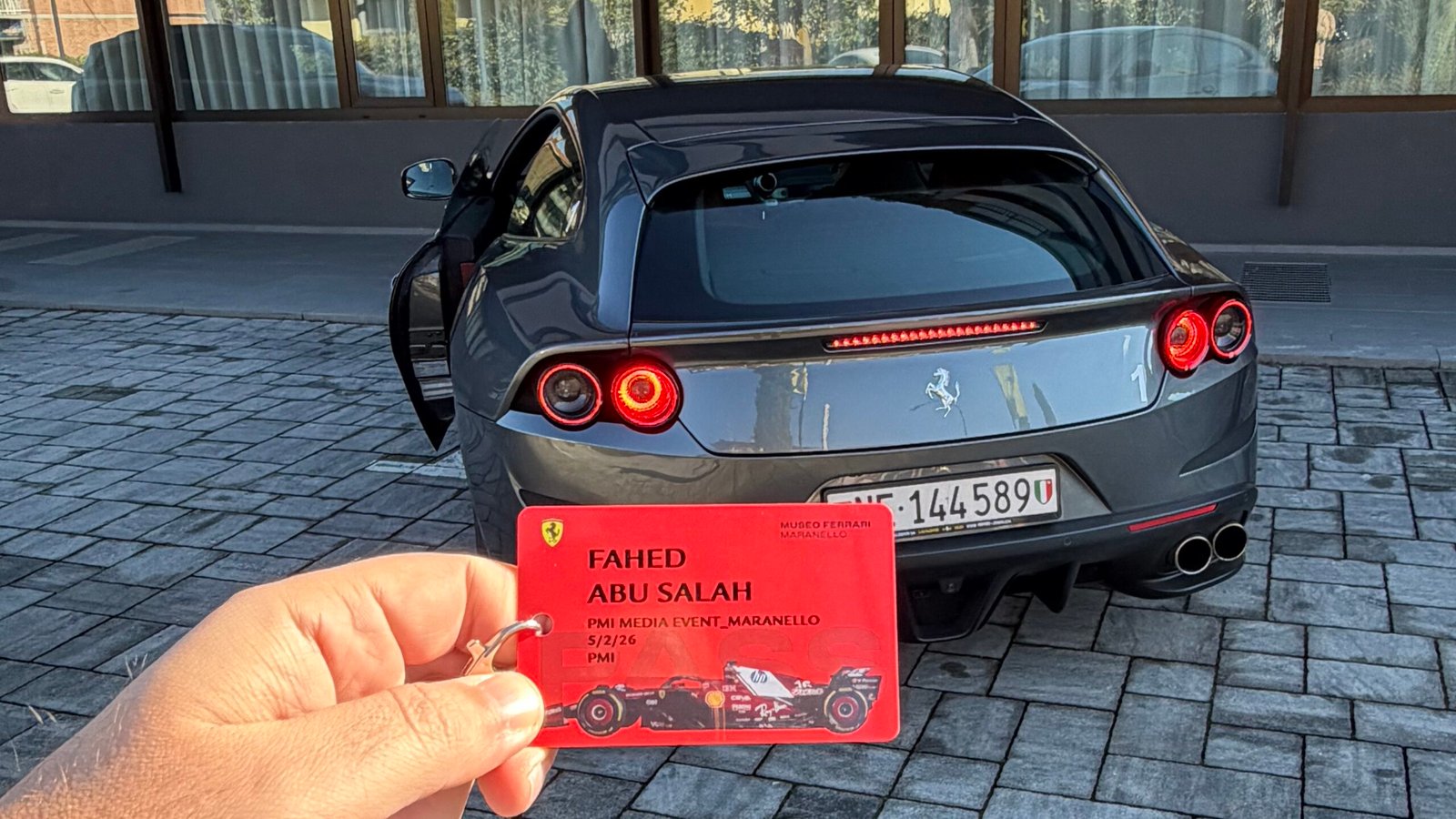
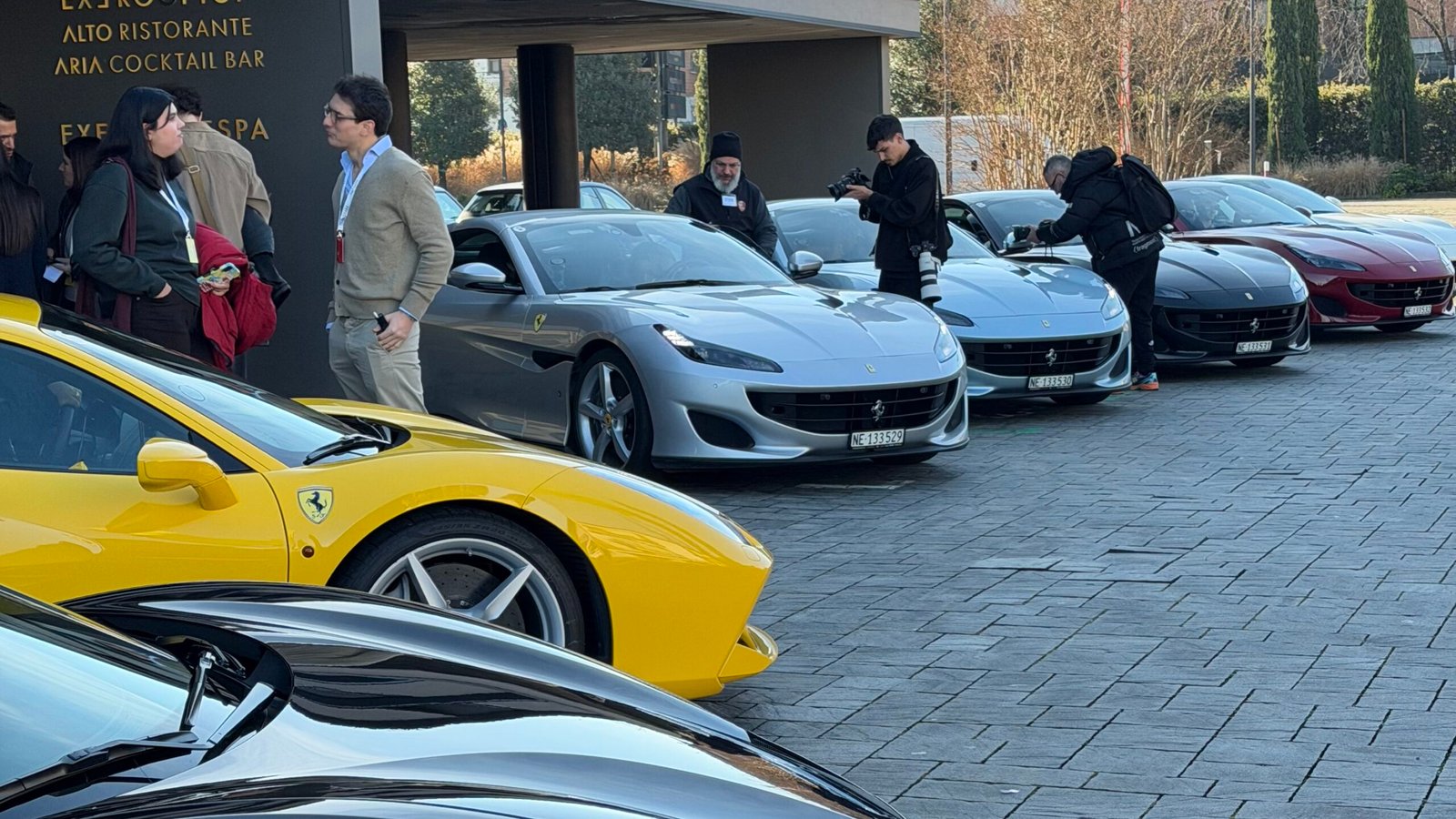
A day with ZYN that started with traveling from Dubai to Maranello—driving the Ferrari Portofino, taking part in hands-on activities like changing Formula 1 tires, sitting down for interviews with ZYN leadership, and ending the day with a visit to the Ferrari Museum.”
Interview: who spoke and what the conversation set out to test
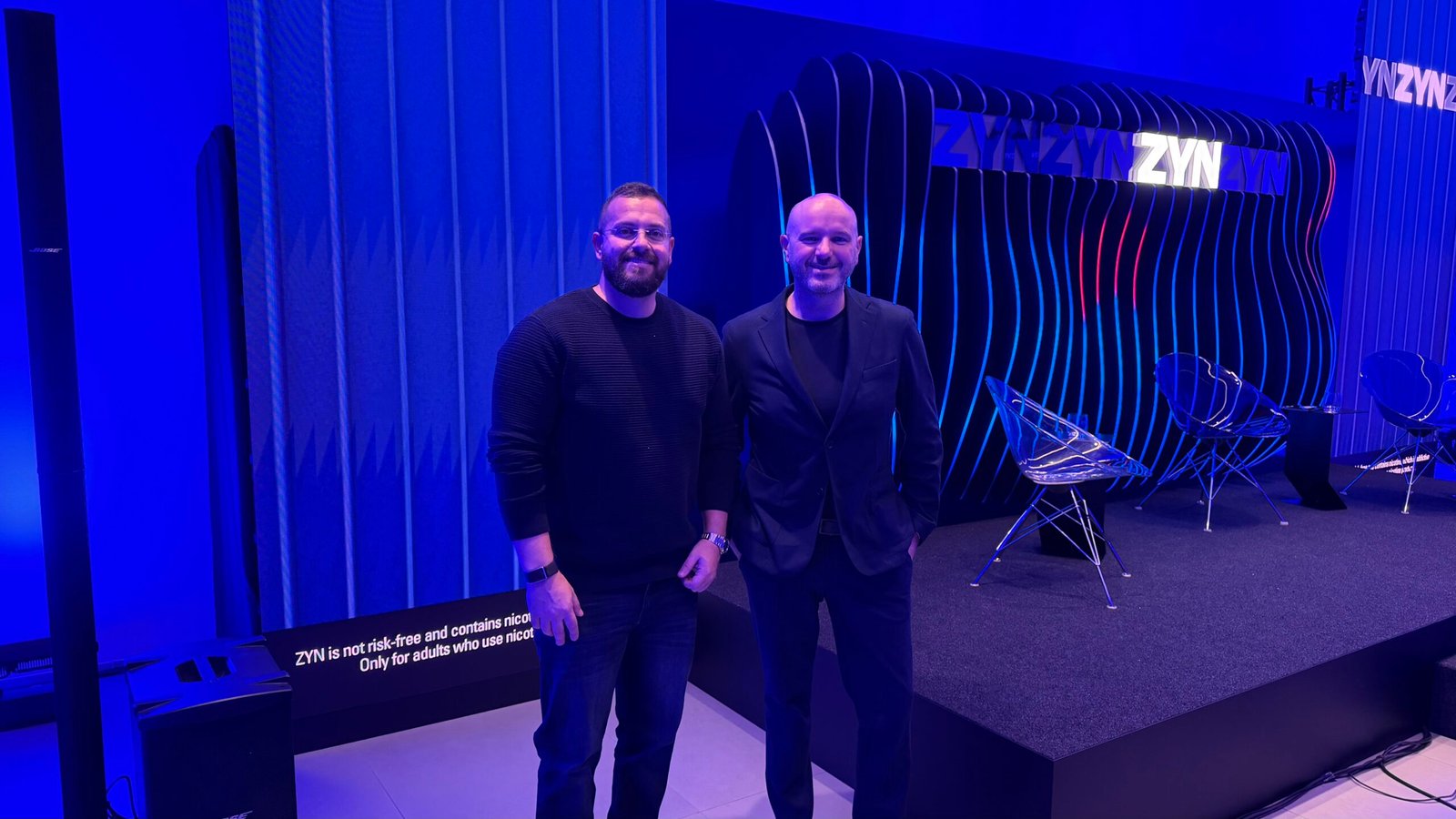
The exchange is framed in your transcript as an interview hosted by Fahed Abu Salah from GearsME and Yann Marois, VP smoke-free products global brands at PMI, conducted in Maranello.
From the questions, the interview is essentially a “values stress test”: Ferrari positions itself as performance, legacy, and engineering discipline, and PMI is asked to explain where its smoke-free brand-building philosophy matches that mindset (heritage vs. innovation, long-term engineering, and culture as an environment for adult consumer choice.
Partnership context: Philip Morris International and Scuderia Ferrari HP
The interview’s backdrop is a recently expanded partnership chapter. On December 3, 2025, PMI announced an expanded partnership with Scuderia Ferrari HP that adds ZYN branding on the team’s Formula 1 livery and team assets at selected races (the first appearance was at the Formula 1 Etihad Airways Abu Dhabi Grand Prix 2025, last December 7). In the same announcement, PMI frames the relationship as more than five decades long and repeatedly links the partnership to “innovation,” “choice,” and the company’s stated smoke-free transition goals.
Smoke-free claims: scale, regulation, and the public-health baseline
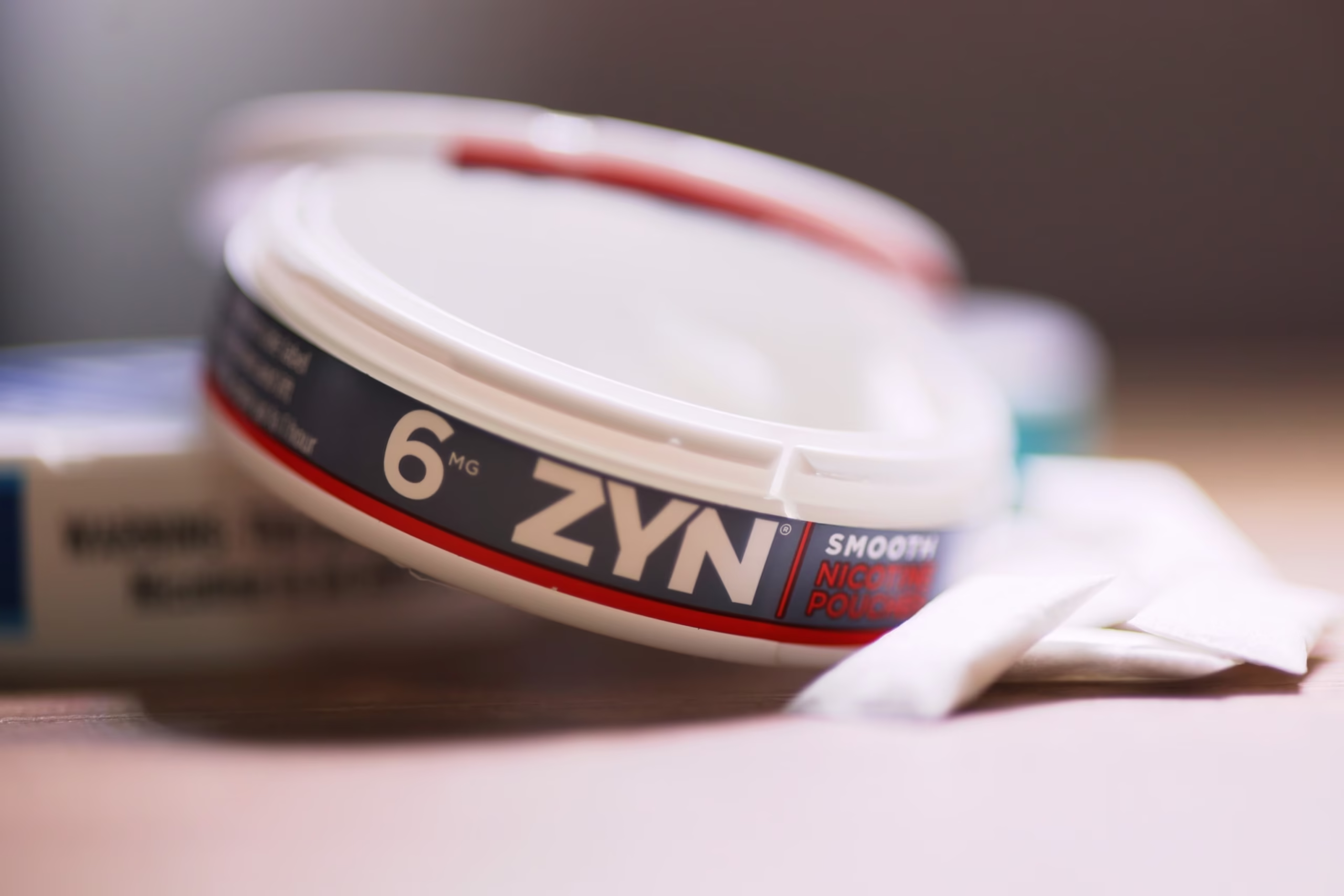
The interview’s “numbers speak louder than words” moment maps closely to PMI’s published metrics. PMI states that, as of June 30, 2025, it estimated approximately 41 million adults were using PMI smoke-free products—broken down as more than 34 million IQOS (heated tobacco) users, an estimated 6.5 million ZYN (oral smokeless) users, and 1 million of VEEV (e-vapor) users. PMI repeats the “over 41 million legal-age consumers” figure (as of June 30, 2025) in its partnership press release.
PMI also signals continued growth and broader market reach in later corporate storytelling: an interactive PMI progress page states an estimated 42 million+ legal-age adults were using its smoke-free products as of December 31, 2025, and that the products were sold in 106 markets (with the usual caveat that details should be read alongside the relevant earnings materials).
Regulatory framing matters because the interview repeatedly uses “science-backed alternatives” definition. For ZYN nicotine pouches in the U.S., the U.S. Food and Drug Administration announced on January 16, 2025 that it authorized marketing of 20 ZYN nicotine pouch products through the PMTA pathway after scientific review, describing this as the first time it authorized products commonly referred to as nicotine pouches. The FDA also emphasizes two constraints: authorization is product-specific (not blanket approval), and “it does not mean these tobacco products are safe, nor are they ‘FDA approved.’”
For heated tobacco, the FDA’s MRTP decisions are narrower than many consumers assume. A 2022 FDA CTP Newsroom notice states the agency issued a modified risk granted order authorizing a reduced exposure claim for IQOS (and again stresses that the action does not mean the product is safe or FDA-approved).
Motorsport as culture: why it’s attractive and why it’s sensitive
Motorsport is discussed as a cultural environment where adult smokers (and adult nicotine users) can be reached “where they are,” rather than as a purely partnership-driven reach tactic. PMI’s partnership announcement makes the same strategic claim in formal language—describing Formula 1 specifically as a global platform with an “overwhelmingly adult audience” where it engages adult consumers with a “message of choice and innovative alternatives to cigarettes,” while also stating its intent to guard against access by unintended audiences and explicitly warning that ZYN is not risk-free and contains addictive nicotine.

This emphasis on adult targeting and “responsible marketing” is not optional; it exists under a long legal-and-policy shadow. The European Commission explains that the EU’s Tobacco Advertising Directive (2003/33/EC) introduces an EU-wide ban on cross-border tobacco advertising and sponsorship, including sponsorship of events involving several EU countries “such as…Formula One races,” and bans free distribution of tobacco at such events.
At the global policy level, WHO FCTC Article 13 implementation guidelines state that a ban on tobacco advertising, promotion, and sponsorship is effective only if it is broad; otherwise, marketing spend shifts to other channels, and Parties are obliged to pursue comprehensive bans unless constrained by constitutional principles. Against that backdrop, modern nicotine branding inside elite sport will predictably be evaluated along two axes at once: harm-reduction claims for adult smokers on one side, and the risk of normalizing nicotine through cultural association on the other.
Ending the day at Museo Ferrari
Our itinerary ends in the most “Maranello” way possible: moving from roads, to conversation, to archive. Visit Modena’s official tourism information describes the Ferrari museum in Maranello as a modern museum experience that highlights Ferrari’s history through major racing and road cars, and it states the “Ferrari Gallery was inaugurated on 18 February 1990.”
“Italy’s national tourism platform similarly frames the museum as a major attraction within the region’s motor culture, describing rotating displays that track design evolution and dedicated areas celebrating Formula One history and trophies—turning the day’s interview themes (heritage, engineering, innovation) into physical exhibits you can walk through”.