

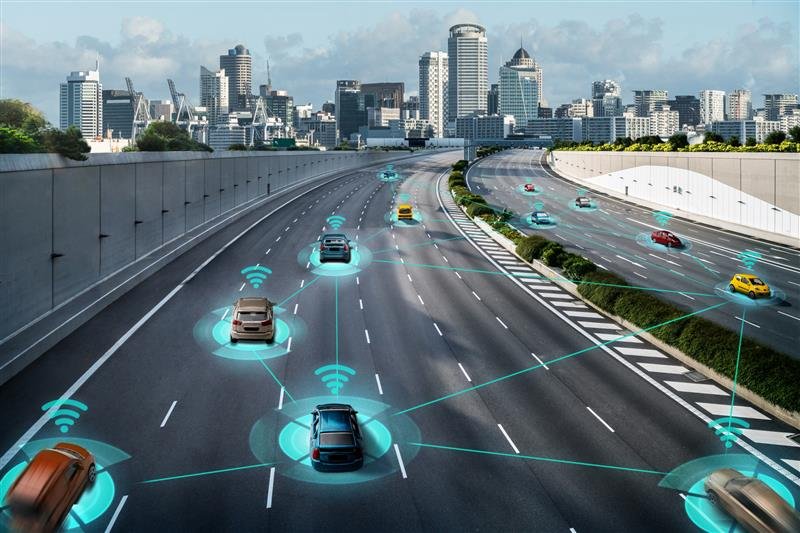

Autonomous driving is rapidly reshaping the future of transportation. What began as an experimental concept is now evolving into a practical technology, driven by major advances in artificial intelligence, machine learning, sensors, and vehicle connectivity. As autonomous systems become more reliable and accessible, they are expected to change not only how vehicles operate, but also how people experience mobility.
One of the biggest benefits of autonomous driving is the potential to make roads much safer. Human error remains the leading cause of traffic accidents, often due to fatigue, distraction, or poor judgment. Autonomous vehicles are designed to continuously monitor their surroundings using cameras, radar, and LiDAR systems. These vehicles can process vast amounts of data in real time, detect potential hazards, and respond faster than human drivers. As this technology matures, it has the potential to drastically reduce accidents and make roads safer for everyone.
Autonomous driving will also redefine convenience and daily commuting. Instead of focusing on traffic, passengers will be free to work, communicate, or relax during their journey. This shift could transform long commutes into productive or stress-free time. For individuals who are unable to drive, such as the elderly or people with disabilities, self-driving vehicles may provide greater independence and improved quality of life.
Another major impact of autonomous driving lies in its contribution to smart cities and sustainable transportation. Autonomous vehicles can communicate with traffic systems and other vehicles to optimize routes, reduce congestion, and improve traffic flow. This coordination can lead to lower fuel consumption and reduced emissions, supporting environmental sustainability. In the future, autonomous electric vehicles may play a key role in reducing urban pollution and creating cleaner cities.
Despite its potential, the future of autonomous driving faces several challenges. Regulatory approval remains one of the biggest hurdles, as governments must develop laws that ensure safety and accountability. Ethical concerns, such as how vehicles make decisions in emergency situations, also require careful consideration. In addition, cybersecurity is a critical issue, as connected vehicles must be protected from digital threats. Building public trust will be essential, and this will depend on transparent testing, proven safety records, and clear communication.
The transition to fully autonomous vehicles will be gradual rather than immediate. Currently, many vehicles already feature semi-autonomous systems such as adaptive cruise control, lane-keeping assistance, and automated parking. These technologies serve as stepping stones toward higher levels of automation. Over time, as infrastructure improves and regulations evolve, fully autonomous vehicles are expected to become more common on public roads.
In conclusion, the future of autonomous driving represents a major shift in the way people move and interact with transportation systems. While challenges remain, continuous innovation and collaboration between governments, manufacturers, and technology providers will drive progress. Autonomous driving is not just about automation—it is about safer roads, smarter cities, and a more efficient and connected future.